
Through My Lens: Rocky Mountain Foothills
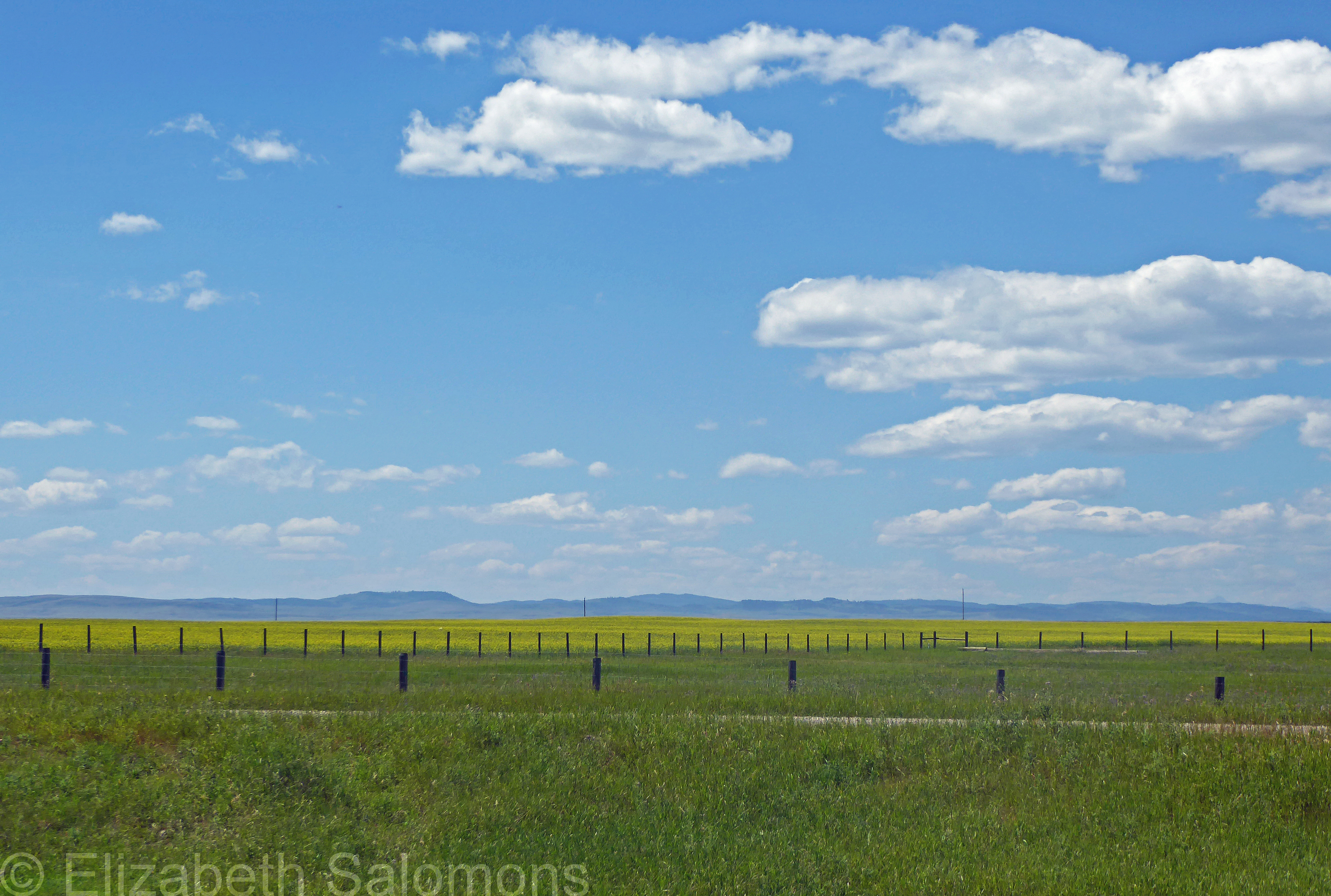
Last summer, I took a little road trip to Alberta and back. This photo was taken at a rest stop along Highway 2, somewhere between Nanton and Claresholm.
Those are the Rocky Mountain Foothills along the horizon. Even though I haven’t lived in the province for decades, the Alberta landscape still takes my breath away.
Remembering September 11

In the days and months after 9/11, the one phrase I kept hearing over and over was that the American intelligence services suffered from a “failure of imagination.” But I look at the above photo, which I took in 1997, and think, “Of course they did! We all did!”
It’s mind-blowing that 25 years have passed already. I’ve heard lots of stories over the past few days, and many more today, of people’s memories from that fateful day. Of where they were, of who they lost, of what they remember.
I was in Vancouver, still half asleep in bed, listening to the radio when I heard something in the morning host’s voice that made me get up and turn on my TV. I have no memory of what he said; it was the tone of his voice that woke me fully. Something awful is happening, I remember thinking.
Being three hours behind New York, the South Tower had already fallen by the time I turned on my TV. I stared in disbelief as I watched the North Tower collapse.
I live in one of Canada’s most densely populated neighbourhoods. As I walked to work that morning, I remember looking up at a bright blue sky and the sea of condo and apartment buildings, thinking, “You don’t need a nuclear bomb to kill thousands of people. You only have to hijack a jet.” (Bear in mind that I grew up during the height of the Cold War, convinced, as were my peers, that the world would end one day under a spat of mushroom clouds.)
I spent most of my workday online, reading everything I could on the various news websites, which had all stripped out photos to ensure their servers didn’t go down from the heavy web traffic. I have no memory of anyone turning on a TV; I doubt there were any in the office.
My sister reached out by phone sometime in the afternoon, which was comforting. She said it felt like a day where you should talk to your loved ones.
By sheer coincidence, my dad and stepmother were in town. We had lunch together the next day and they relayed how the friends they were staying with had woken them up the previous morning to tell them what was happening. The one friend said the attacks brought him right back to his childhood and still-vivid memories of the invasion of Holland by the Germans on May 10, 1940. That the trauma of that morning was resurrected 60 years later did not surprise me.
My dad and stepmother then drove out to YVR airport to watch all the jets coming in to land. Vancouver received 34 of the 224 flights diverted to Canadian airspace that morning.
I had plans to fly to San Francisco on the 14th to visit a friend; by midday on the 11th, I knew I wouldn’t be going anywhere. The trip was rescheduled to January.
In October, I flew to Belfast to visit another friend and we went to Barcelona for a weekend — a mere five days after the Americans began bombing Afghanistan.
Looking back now, it seems crazy how much flying I did in the months after 9/11. But the flights had been booked and paid for; I wasn’t keen to lose the money.
And, truth be told, I wasn’t keen to stop travelling. Air travel would never be the same, I knew that. But if I stopped flying altogether, well, then 9/11 would have taken more from me than just my innocence.

Back to Reality
And just like that, summer is over. In my humble opinion, it was way too short, even with Labour Day being as late as it was.
I hope everyone enjoyed their weekend, soaking in those last hours of summer bliss before facing the office or classroom this week.
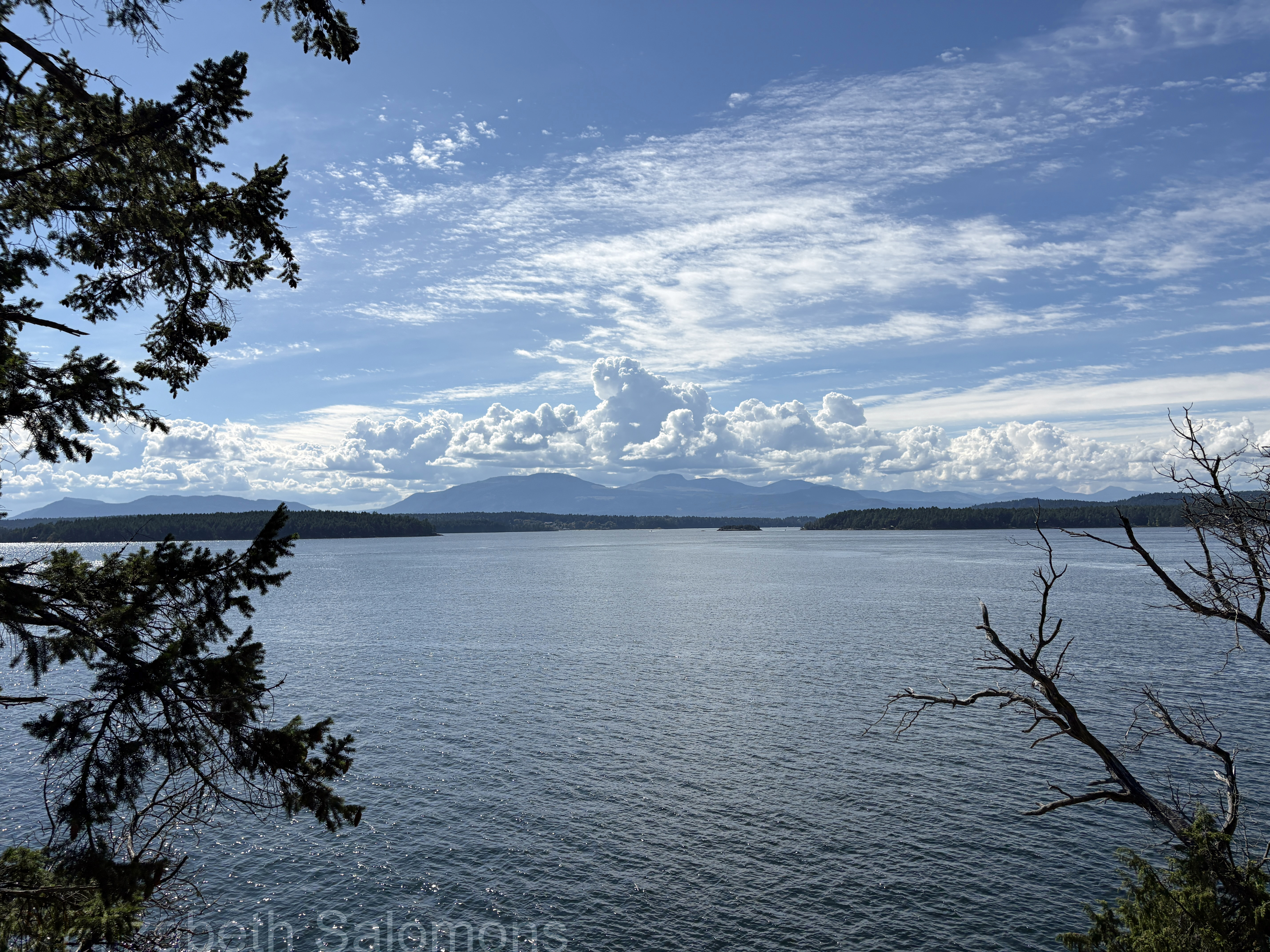
Me, I was blessed to be able to look over this body of water all weekend long. That’s Trincomali Channel, on the western side of Galiano Island.
World Cup Summer
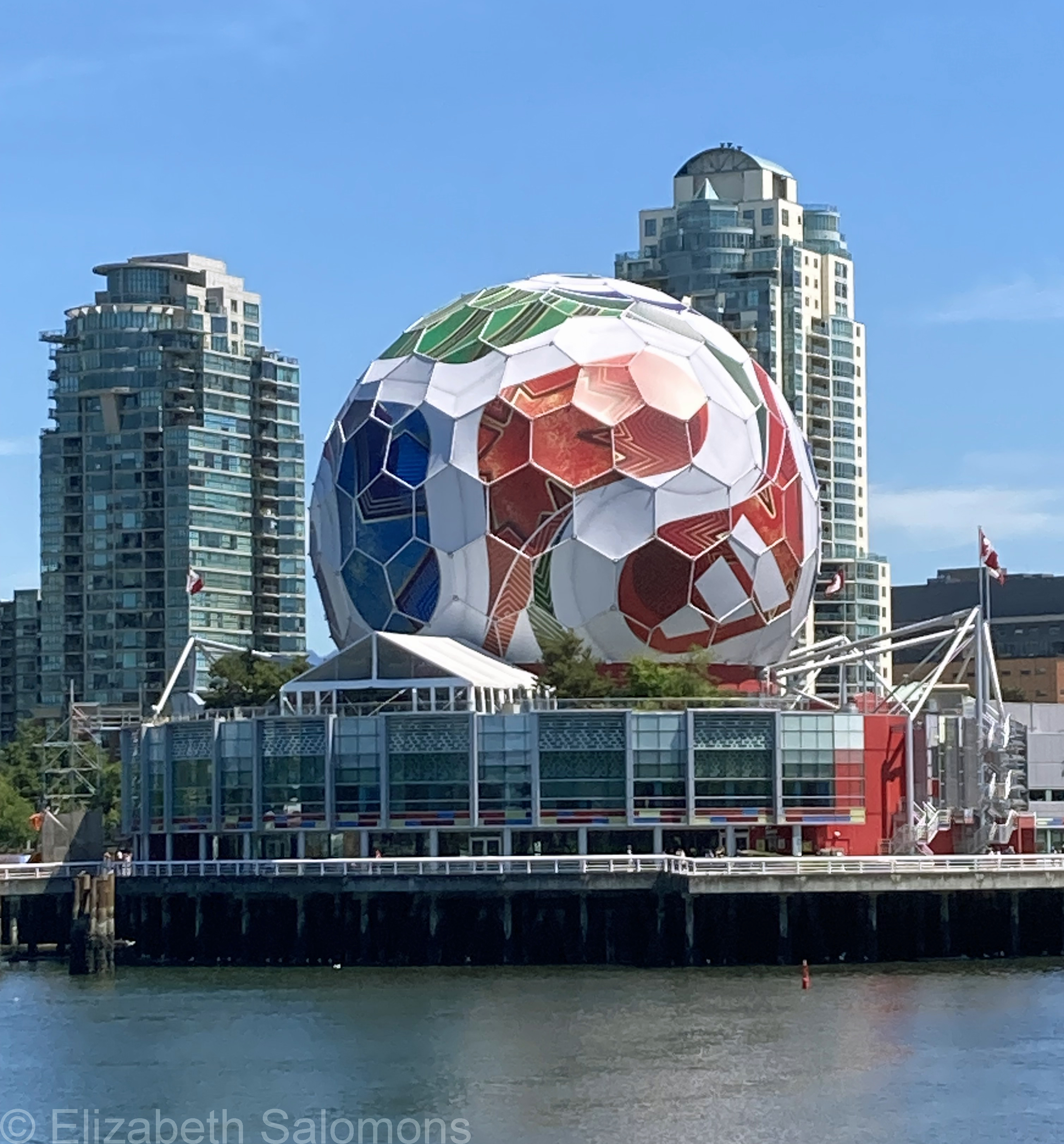
And just like that, the World Cup is over.
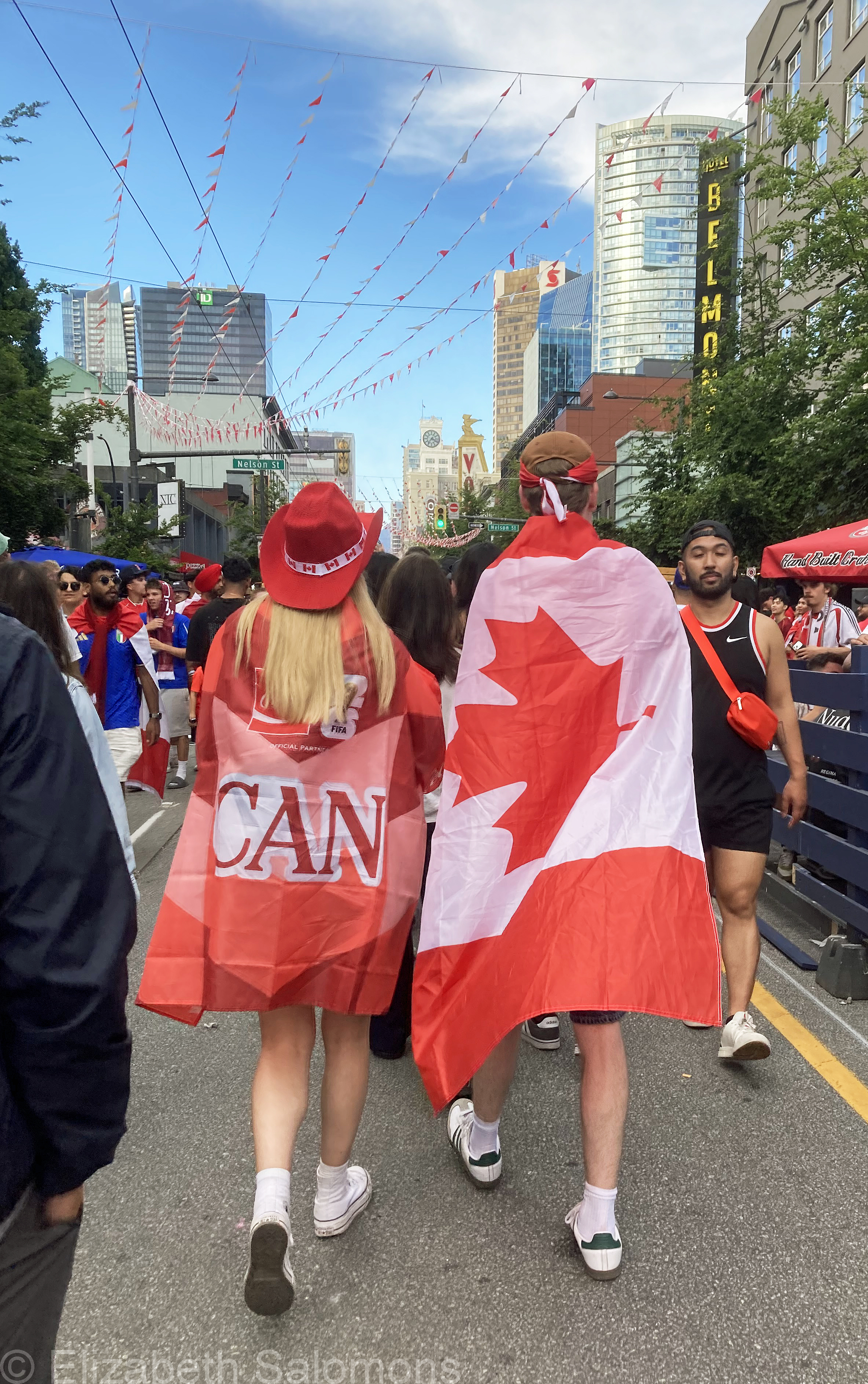
Everyone I know in Vancouver, to a person, was ambivalent about being a host city for the 2026 FIFA World Cup. And everyone I know in Vancouver (well, almost everyone) got caught up in the excitement once the party started.
I mean, let’s face it. When Sports Illustrated rates you as the No. 1 host city, you take notice. We must be doing something right.
It’s been a wild few weeks. Not without controversy, yes, and I won’t get into all that. But it’s been so much fun to see Vancouver come alive.
We’ve shown in the past that we can do big events. Expo 86 was Vancouver’s coming-out party, and the 2010 Winter Olympics were widely regarded at the time as the most successful Games to date.
The World Cup of association football (soccer) seems to be on another level, however. The entire world was invested in the tournament. And even though exorbitant ticket prices kept most of us away from BC Place (where the matches were held), there was plenty of opportunity to take part in free public watch parties across the region and cheer for your team — whatever colour that might be.
Canada’s team marked several firsts: first-ever goal, first-ever win, first-ever advancement to the knockout stage, and first-ever knockout win. In the end, we placed 14th. Not bad for our third appearance at the World Cup.
Expectations will be high for next time. Until then, we can bask in the memory of our first-ever World Cup summer.


Scotch Broom in the Comox Valley
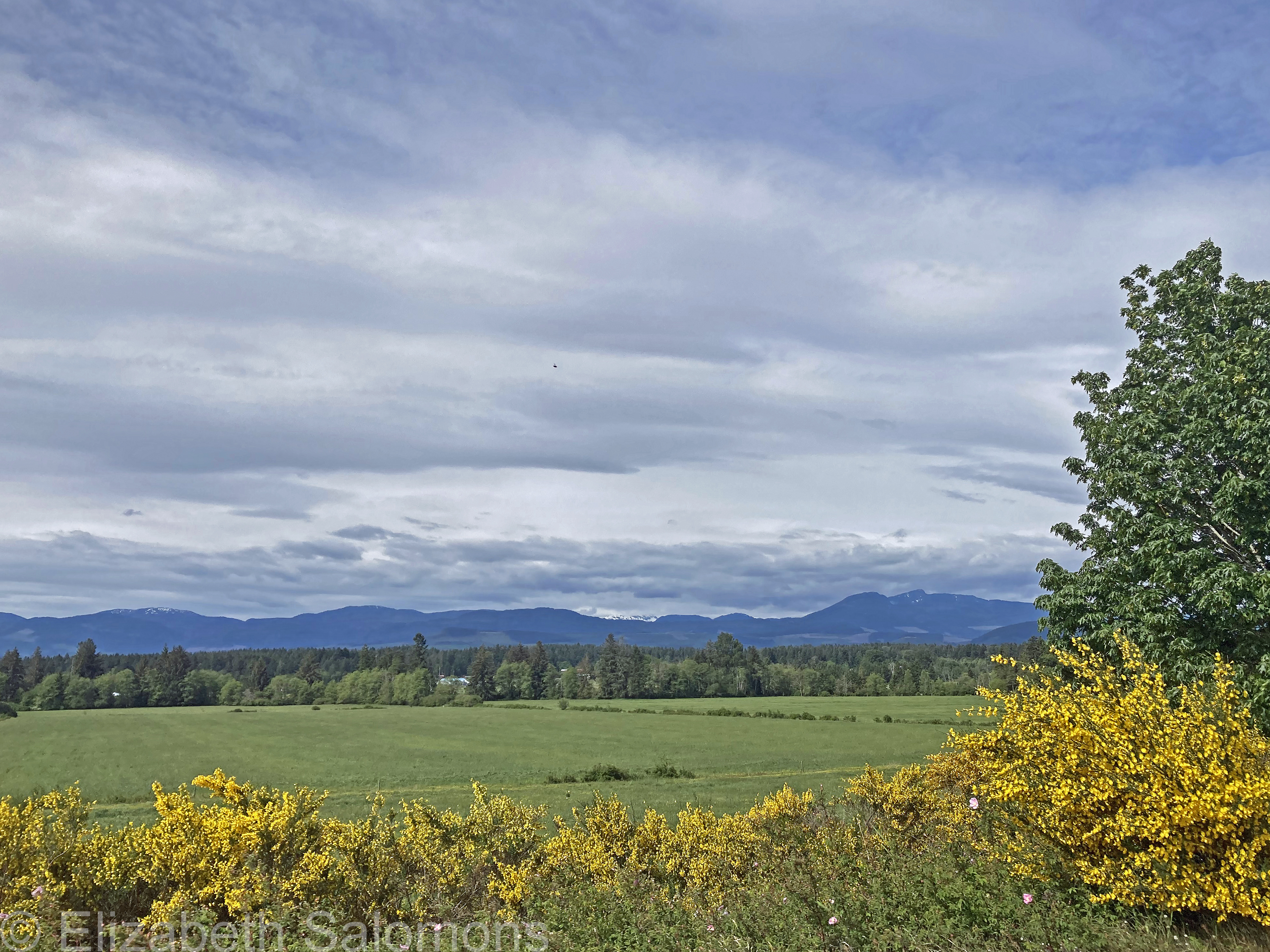
The Comox Valley on Vancouver Island is popular with retirees and now that I’ve driven through it, I finally get it. It truly is pretty. Driving north from Nanaimo, you pass small communities, older houses, farms, and rolling hills with low mountains to the west. To the east is the Salish Sea.
This time of year, the sides of the roads were covered with Scotch Broom in full bloom. It makes for beautiful vistas, for sure, but you feel a bit guilty about enjoying the view. Scotch Broom is an invasive species introduced to Vancouver Island in the 1850s. It’s caused a lot of havoc, is highly flammable (not great in our wildfire-prone province) and is toxic to livestock.
But here’s a photo of it anyways.
Miracle Beach
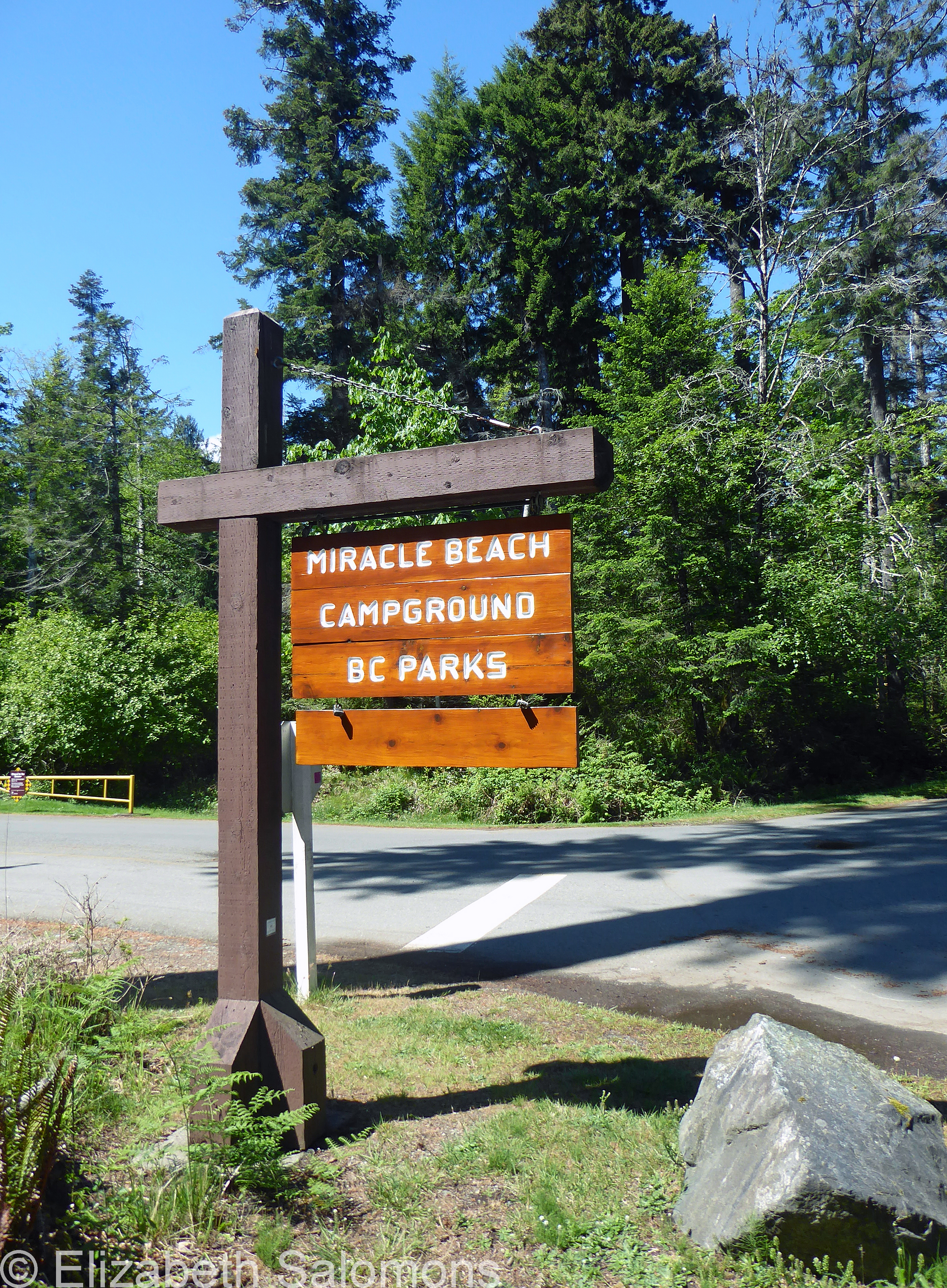
What I love about my country/province/city is how easy it is to be a tourist where I live. And that there is always something new to discover. For me last weekend, it was Miracle Beach, located in the Comox Valley on Vancouver Island.
Opening up the cottage or going camping on the May long weekend is a Canadian tradition. One of the perks about camping so early in the season in British Columbia, even if we have to gamble on the weather, is we are usually able to have a campfire, one of the best parts about camping in Canada’s wilderness.
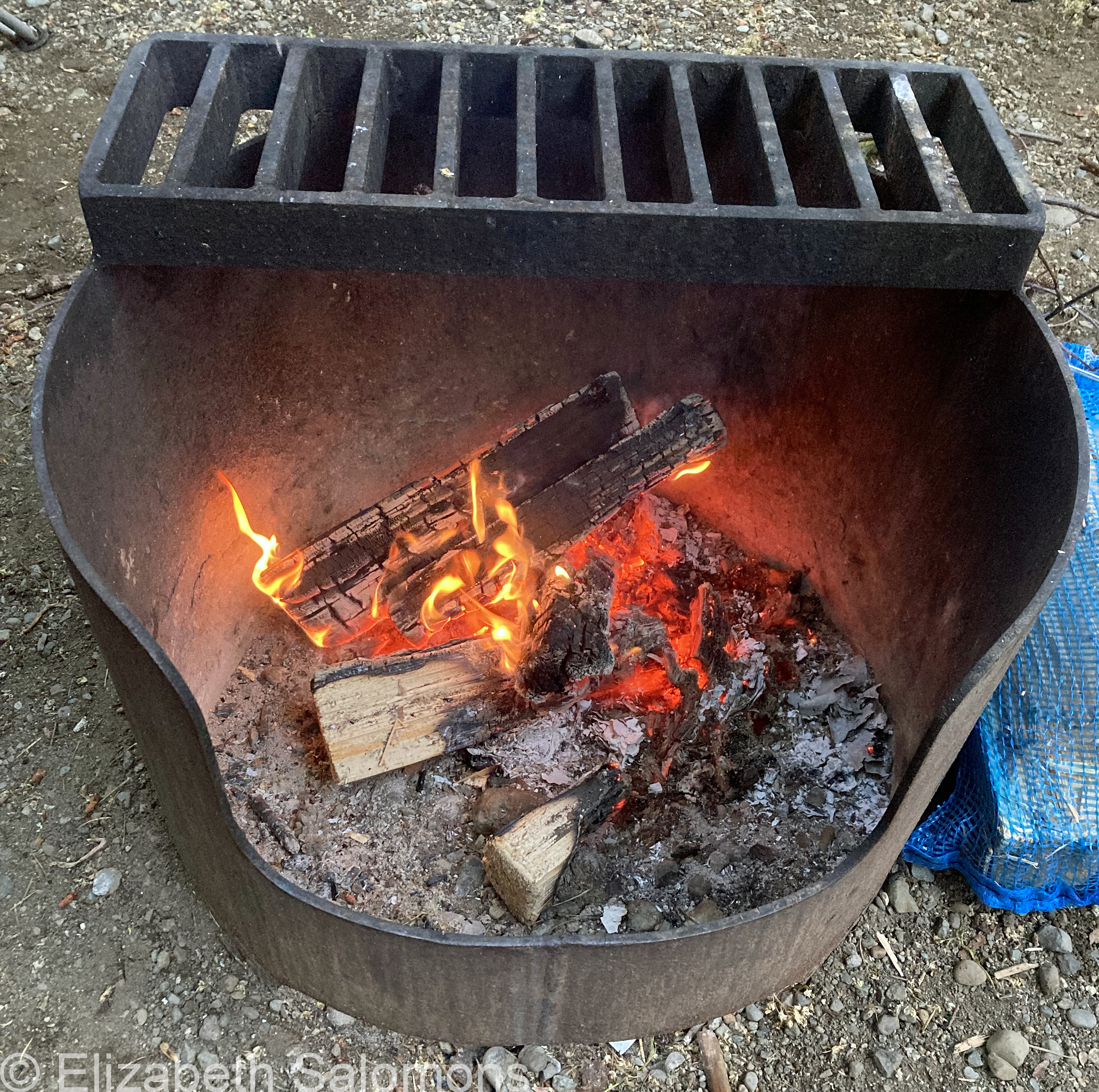
This year a province-wide campfire ban implemented in early May (the earliest ever in BC) scuttled our hopes for s’mores around the fire. Then, a week of cooler, damper weather meant the ban was lifted Friday at noon. Excellent timing, weather gods!
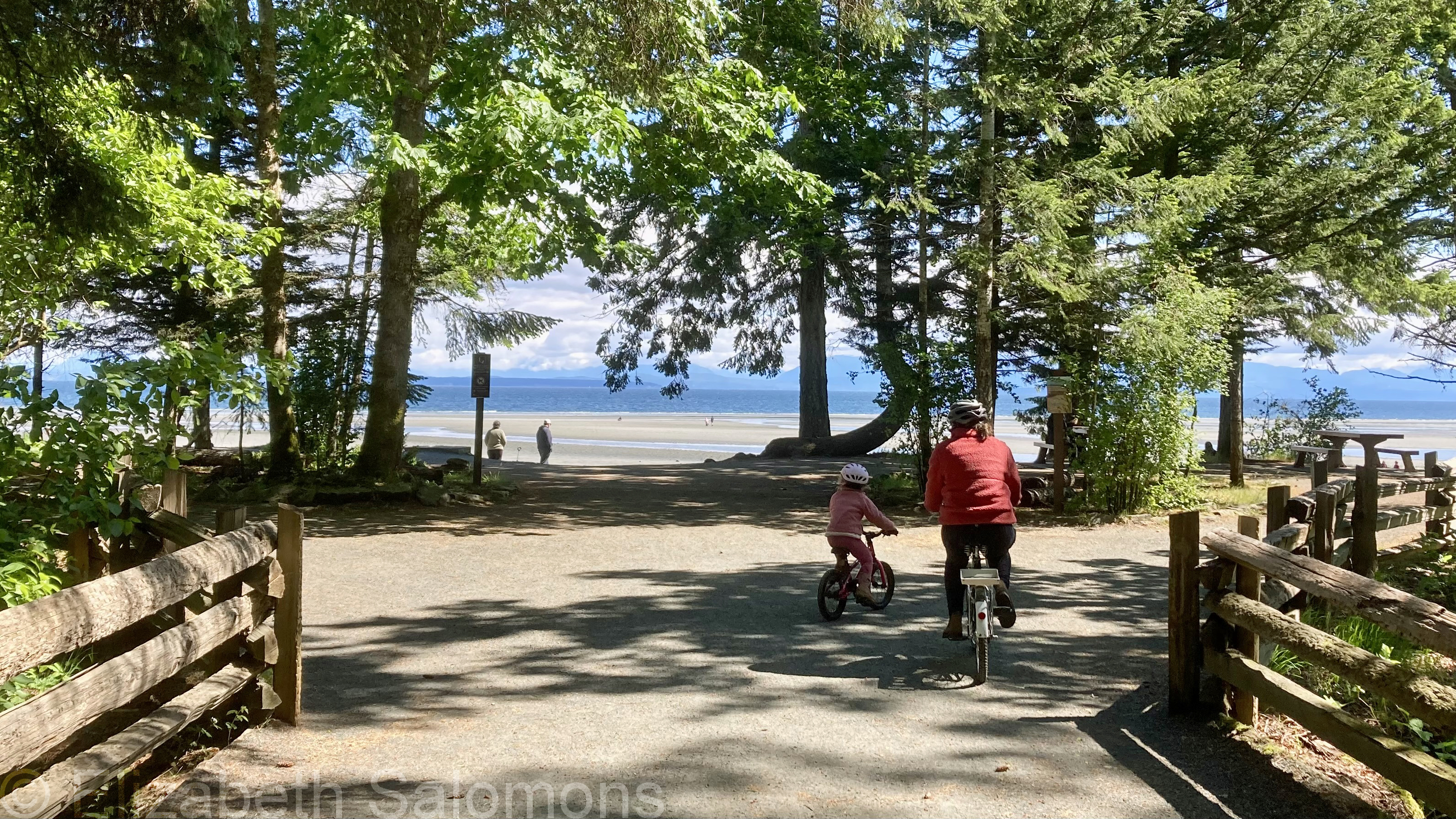
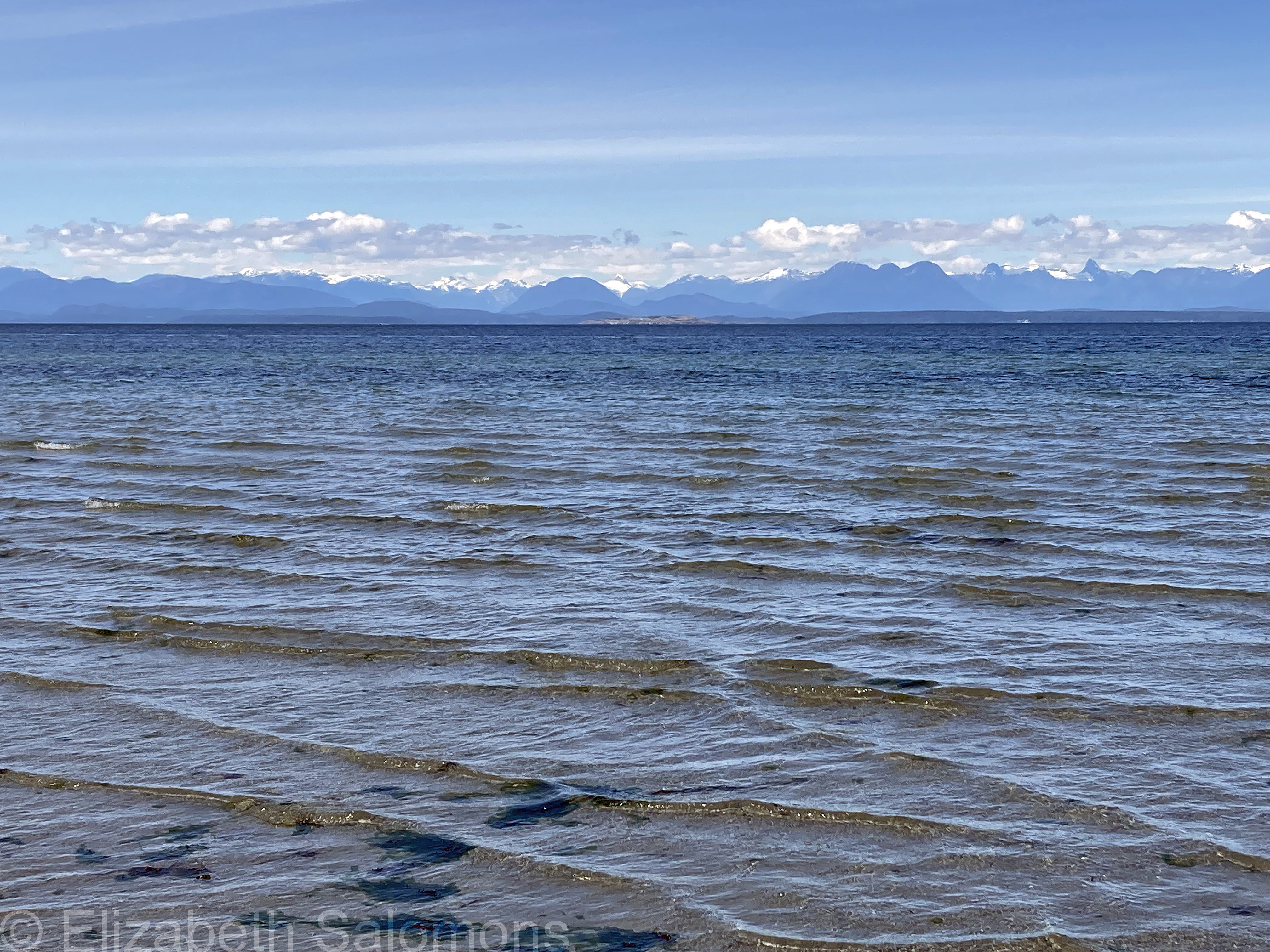
Miracle Beach Provincial Park is located on the eastern shores of Vancouver Island. Its wide, sandy beach (at low tide) faces the Salish Sea. Across the water lie the Coast Mountains, which run all the way from the Yukon border down the Alaska Panhandle and the coast of British Columbia to the 49th parallel.
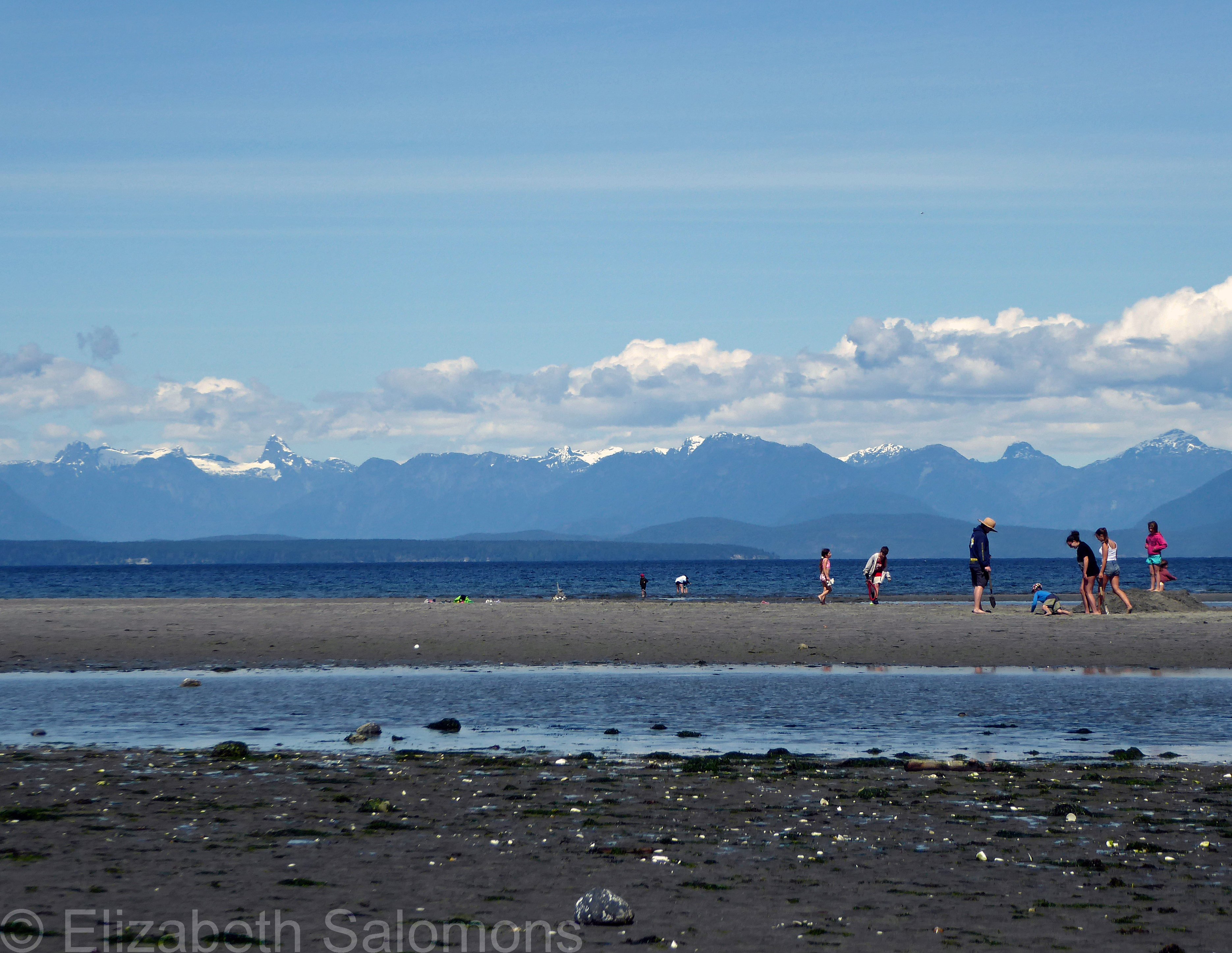
I can’t believe I’ve never heard of this park, but, hey, it’s a big country. I was thrilled to spend time here and am already thinking ahead to next year’s May long weekend.
Prairie Spring
I haven’t posted about the Vancouver blossoms this spring. It seemed a bit cruel, given the long, hard winter that much of Canada has endured this year.
I also haven’t written about how disappointed I’ve been about our lack of snow — the first time in 43 years that Vancouver hasn’t registered any snow accumulation. (We had some flurries, enough to get me excited, but nothing stuck to the ground.) I really, really enjoy the limited snow we get as it helps to break up the monotony of the winter rains. But it seemed selfish to complain about our too-mild winter when so many people are wondering if theirs will ever end.
And so, when I flew to Edmonton last weekend for some family time, I hardly expected to see snow. But that’s a prairie spring for you. This photo was taken from the plane as we descended into Edmonton International Airport.
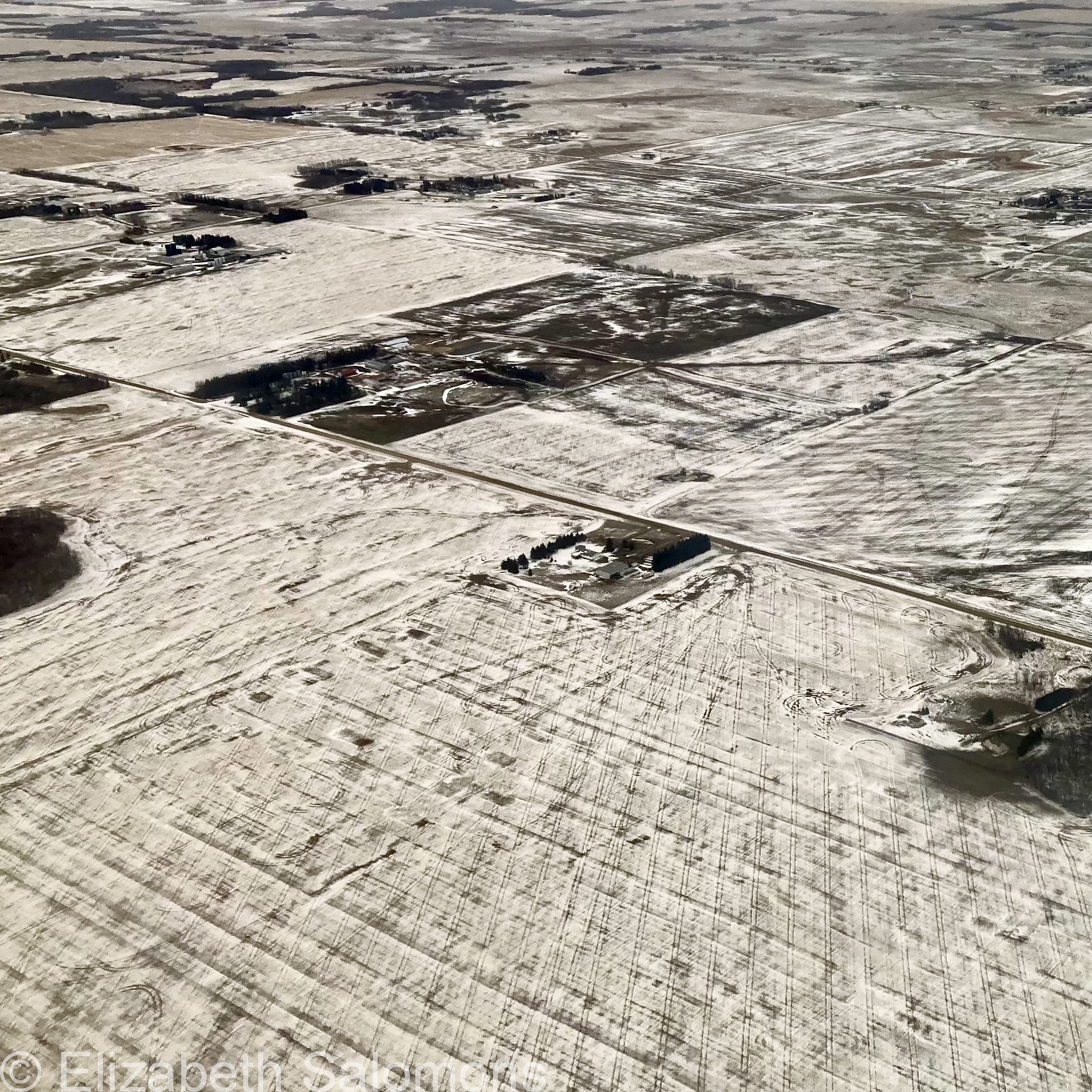
After spending a weekend bundled up against the wind and slipping and sliding along icy sidewalks or on icy roads while a passenger in my brother’s car, it’s funny how quickly you adjust. I was full on in winter mode and forgot all about what spring felt like.
Which meant that on my return to Vancouver on Sunday evening, I emerged from the Canada Line at Yaletown Station and was shocked to be surrounded by people wearing shorts and T-shirts.
That’s Canada for you. Diversity of all sorts, including the weather.
To the Far Side of the Moon and Back
Copy, Moon joy.” — Jacki Mahaffey, NASA
Like much of the planet, I have been fixated on the Artemis II space mission these past few weeks. At a particular tumultuous time in world history, it has been so life-affirming to focus on a positive news event instead of (waves hand) all this.
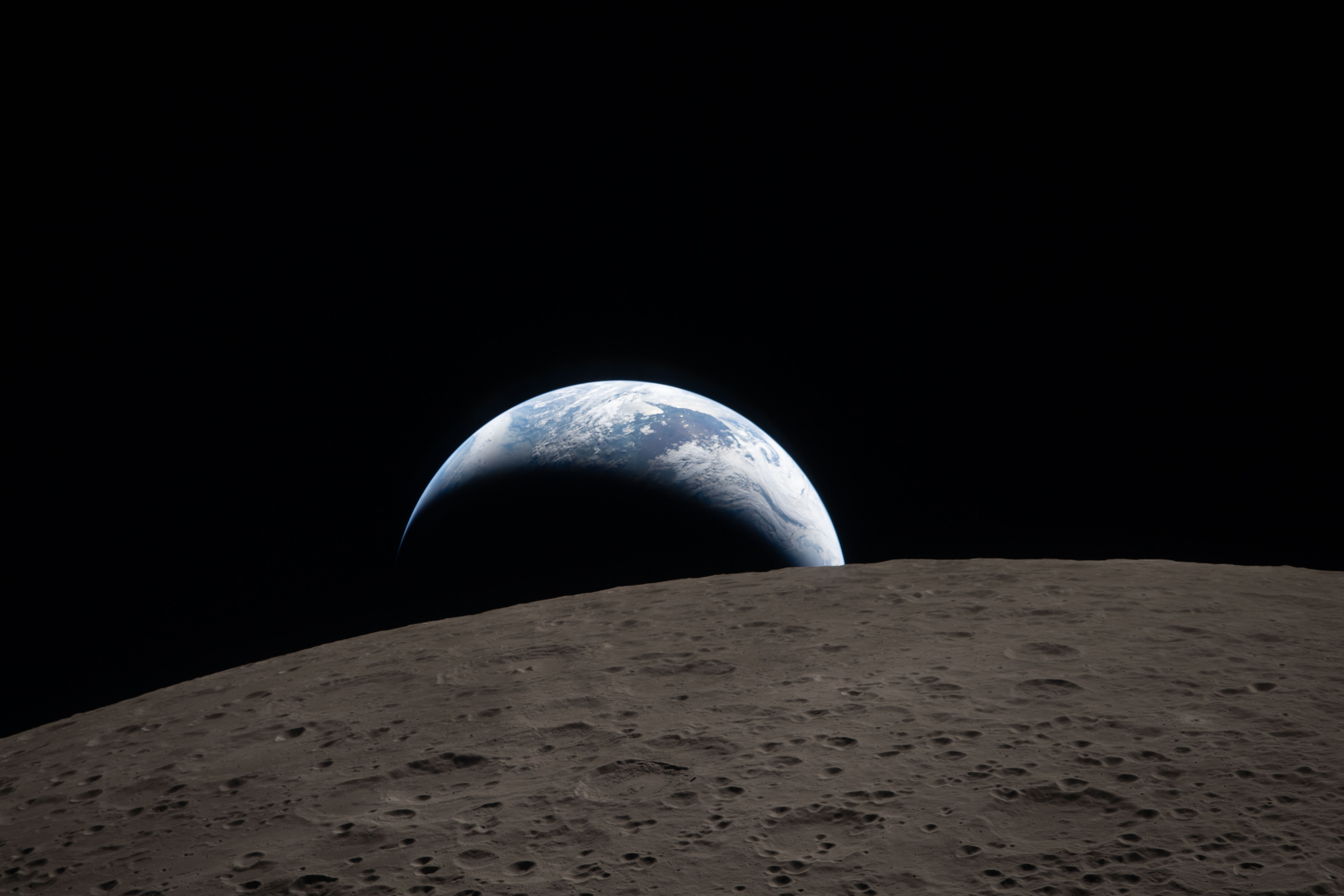
Earthset
Photo Credit: NASA
It’s also been so great to see Canadians and Americans getting along. No lie — Canada is feeling pretty beat up and bruised by the current political situation between our two countries. What Artemis II did was remind us that we don’t have to agree on everything in order to do big things together.
Canada punches above its weight when it comes to space travel. We were the fourth nation to launch a satellite. A Canadian company built the legs of the Lunar Modules that landed on the Moon in the Apollo program. And we built the Canadarm and Canadarm2 — the robotic arms used on the Space Shuttle and the International Space Station. In return for committing to build Canadarm3 for Gateway, the space station that will orbit the Moon, Canada was given two astronaut flights to the Moon.
And that is how a Canadian ended up being the first non-American to fly to the Moon.
I livestreamed all the significant parts of the mission: the launch, the lunar flyby, and the interview with our prime minister when the crew assured him that their choice of topping on pancakes was maple syrup, not Nutella.
The splashdown aired live on CBC, our public broadcaster, and the host spent a good amount of time talking with two retired Canadian astronauts, Roberta Bondar and Chris Hadfield, as we waited for the Artemis II astronauts to exit their spaceship. In addition to explaining what was happening as it was happening, both astronauts talked about the future of space travel.
Neither thought it would be a half century before we’d return to the Moon, but Chris Hadfield made an apt comparison between space travel and the early voyages between Europe and the Americas. John Cabot struggled to find funding to sail to Newfoundland in 1497, but he did, eventually. Yet it was another 100 years before any Europeans attempted a permanent settlement in what we now call Canada.
Commander Hadfield also pointed out that the first journeys to Antarctica were for exploration, then science, but now tourists are routinely travelling to that continent. He speculated the same will (one day) happen with the Moon.
I watched the first news conference with Reid Wiseman, Victor Glover, Christina Koch, and Jeremy Hansen after they returned to Earth. All four talked, not about the science (that will come, according to Jeremy), but about the very human moments they experienced. And what struck me as I listened is that very few of us have the kind of job where our colleagues’ survival depends on us doing our jobs right. What those four went through is almost unimaginable.
Jeremy talked about gratitude, joy, and love. While he said some incredibly moving and profound things about gratitude and love, I’m going to quote him on what he said about joy.
We have a term in our crew that we coined a long time ago, the Joy Train. And you saw, I think, … you saw a lot of joy up there. There was a lot of joy. We’re not always on the Joy Train, this crew. There are many times we’re not on the Joy Train, but we are committed to getting back on the Joy Train as soon as we can. And that is a useful life skill for any team trying to get something done.
His words hit home to me because, coincidentally, I’ve been thinking a lot about joy the past few months.
Few of us will ever travel to the Moon and get to experience Moon joy. Not all of us have jobs that make an out-of-this-world contribution to humanity. And some of us have jobs that don’t always give us joy.
But committing to finding the joy in what you do and how you live — that is a useful life skill. A life skill I am determined to work on for the remainder of my time here on Earth.
Merry Christmas!
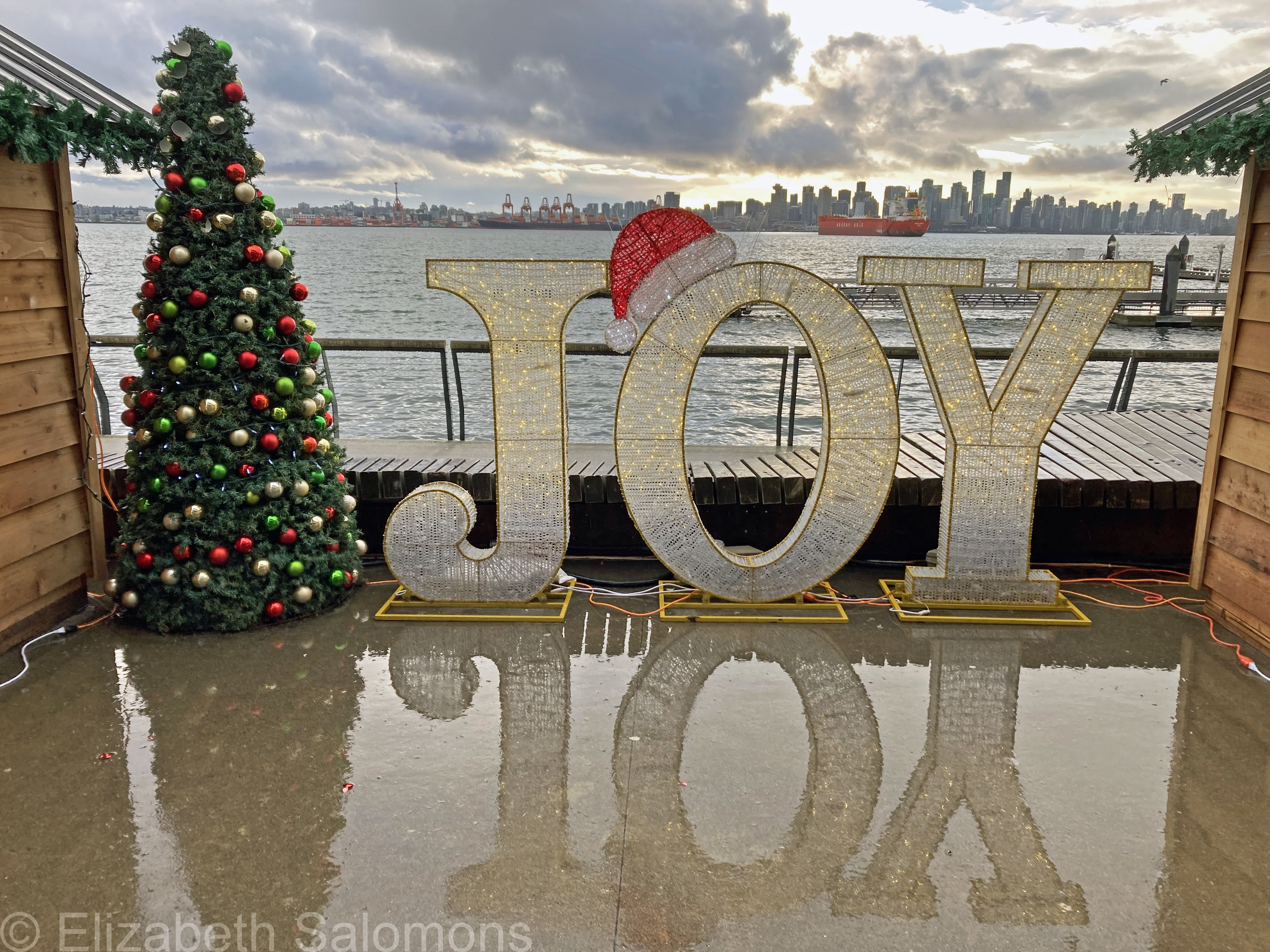
Shipyards Christmas Market, North Vancouver


