
Following My Nose Through the Chora of Serifos
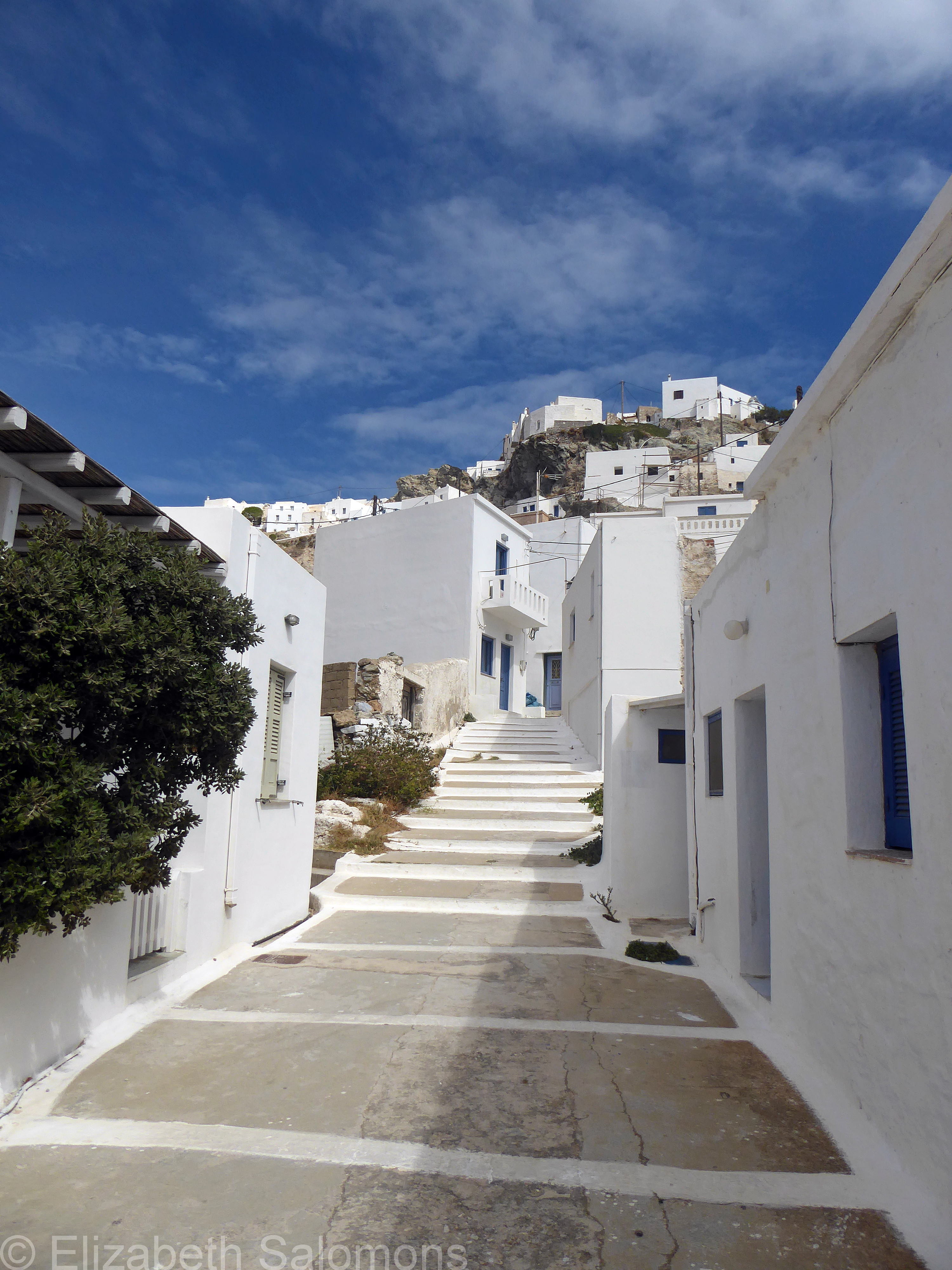
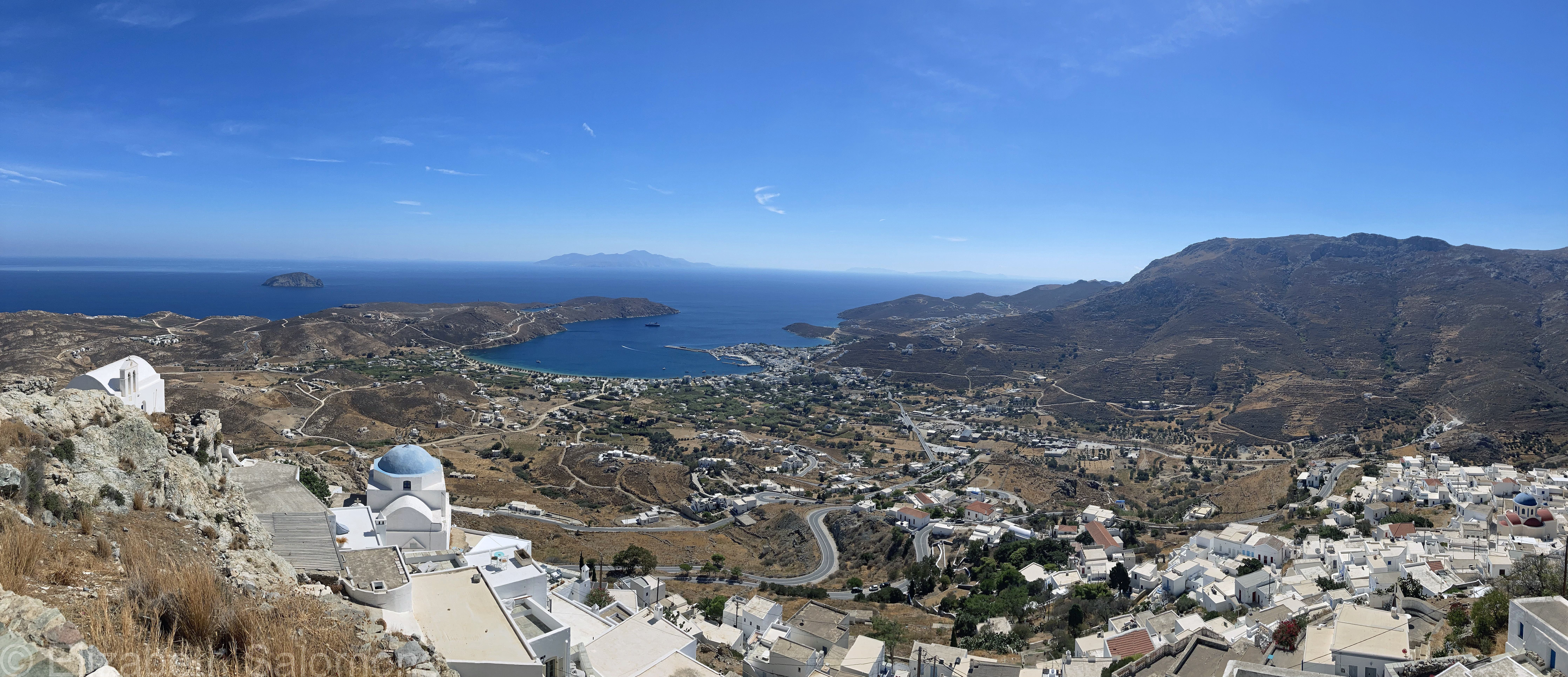
My first full day on Serifos, I walked out my door and followed my nose through the Chora. Did you know the word “labyrinth” comes from the Greek word laburinthos? Apparently Cycladic towns were traditionally built with meandering passageways to thwart the pirates that plied the Aegean back in medieval times.
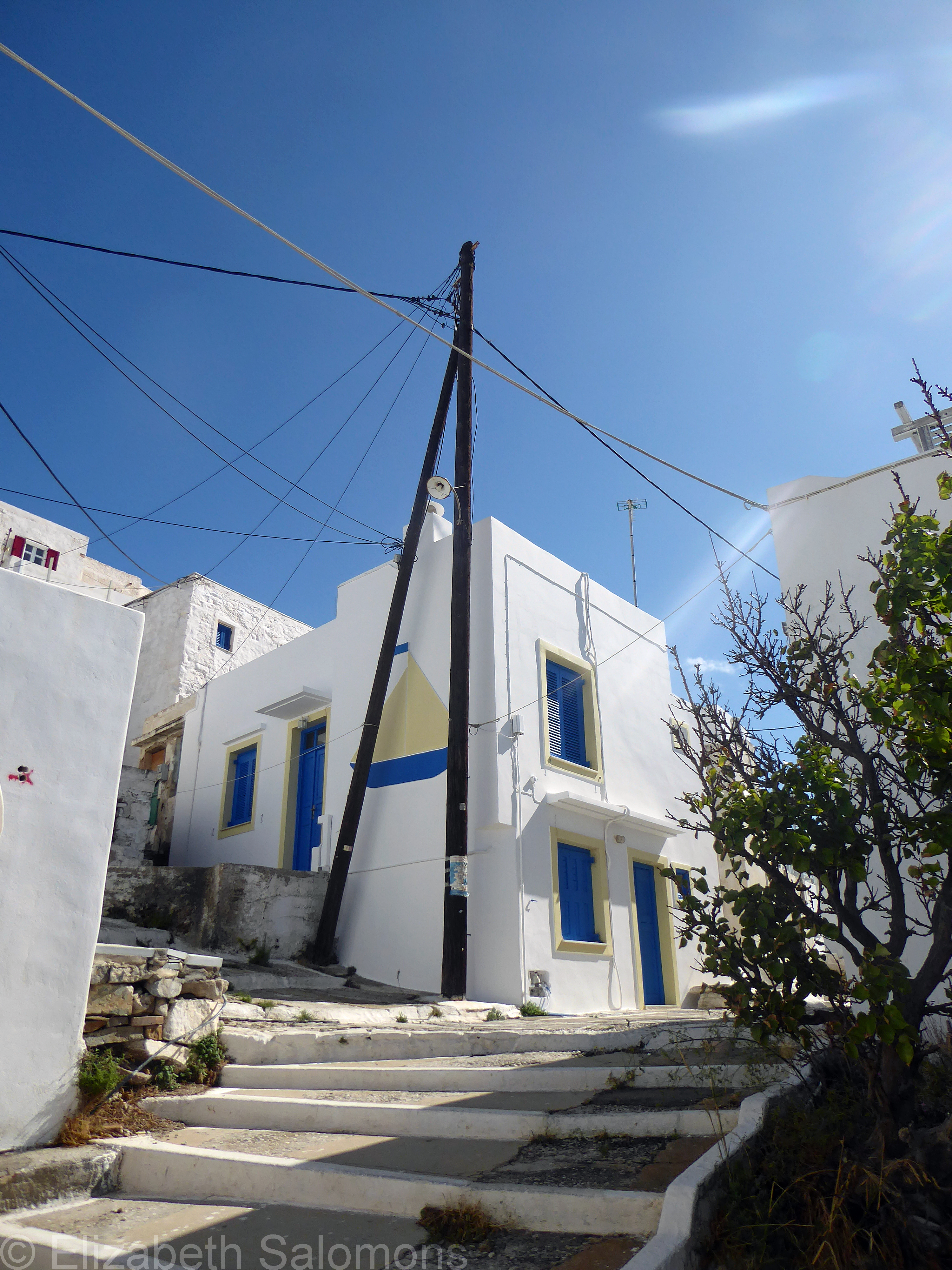
I can believe it. I never walked the same route twice in my wanderings through the Chora — and I promise you I couldn’t have if I tried.
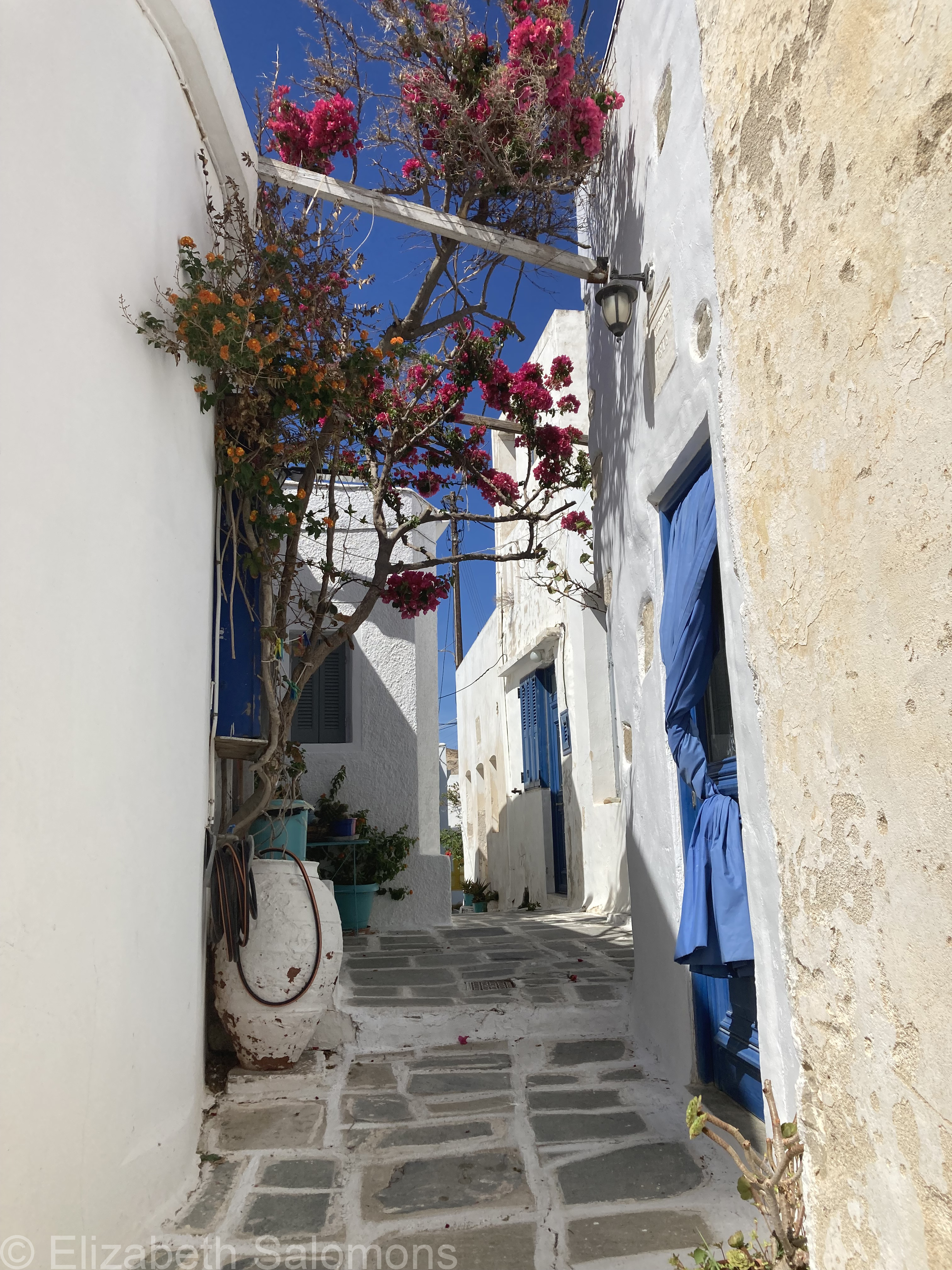
On this first day, I was looking for the main square I knew was up there somewhere. Signs scribbled on whitewashed walls with arrows that read “top” or “kastro” were helpful — I told myself if I kept walking up, I’d get there eventually.
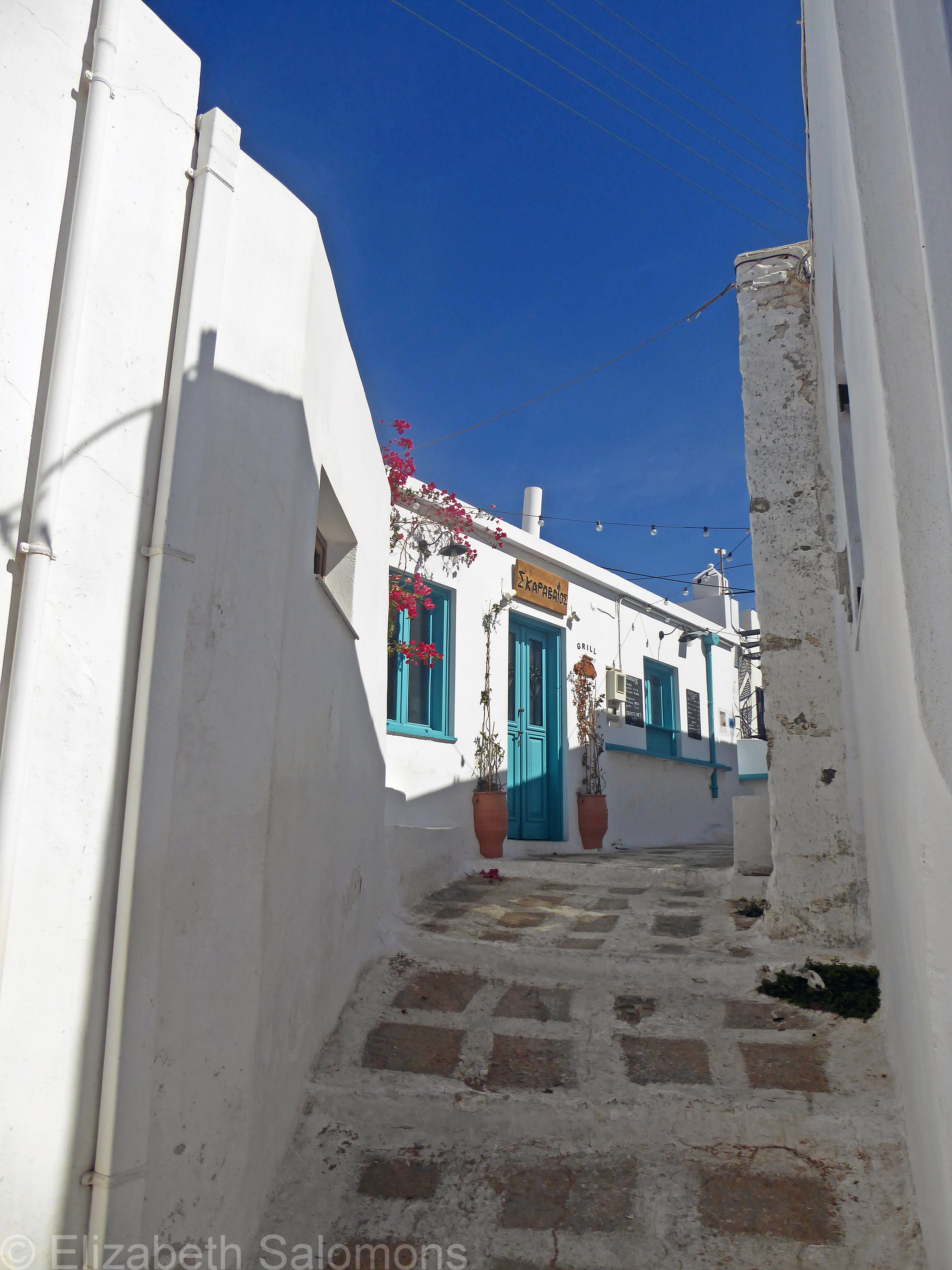
Turns out kastro is Greek for castle, which was built in 1434 by the Venetians (again, to protect the islanders from pirate raids). Only the ruins remain, but what a view!
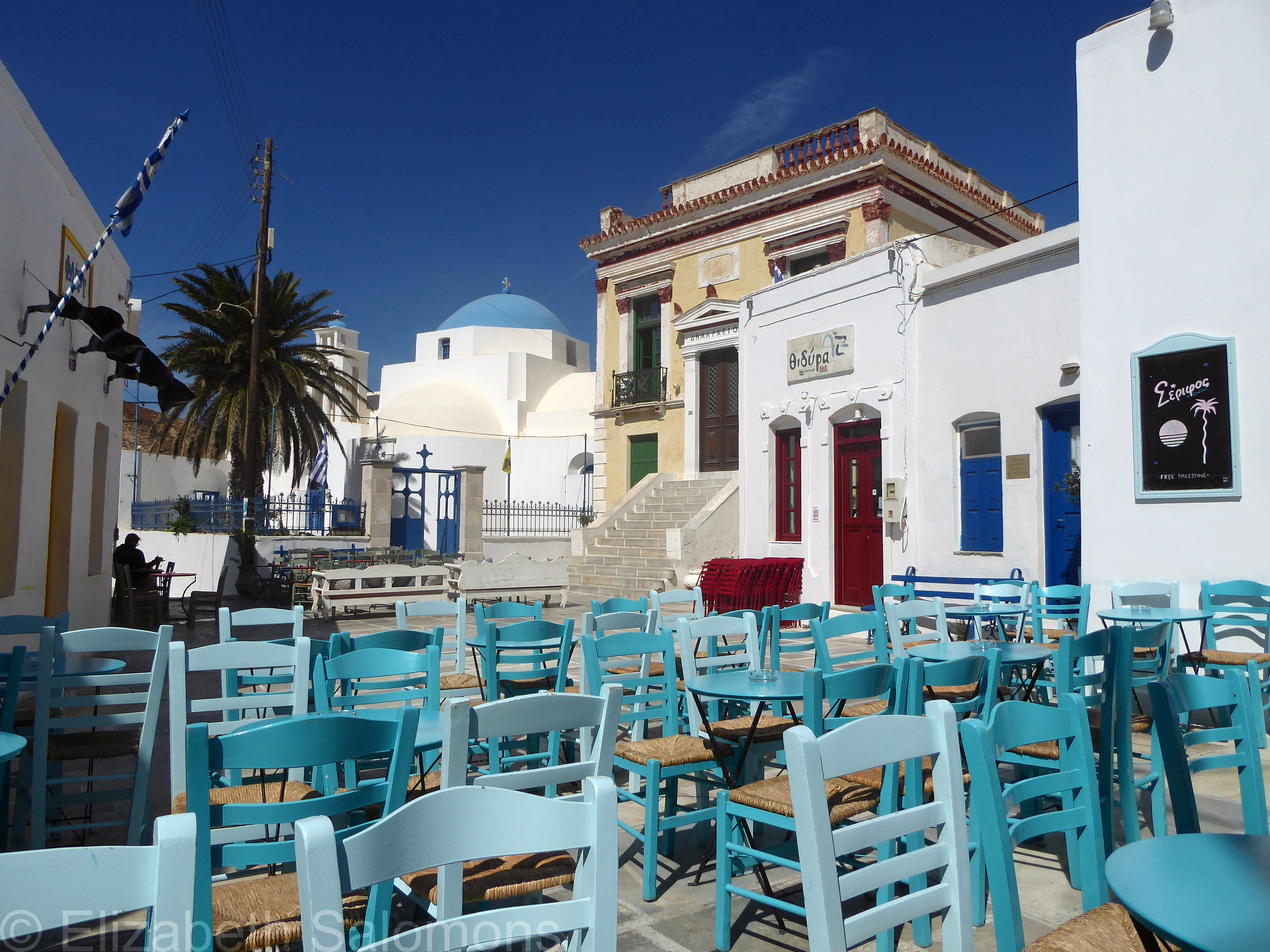
I had to backtrack a bit to find the main square I was looking for as it was not quite so high. Called Pano Piatsa, it was much smaller than I was expecting it to be. It’s also the only open public space in the Pano Chora (again, blame those pirates). The yellow building is the town hall and was built in 1908. There are a handful of restaurants and shops, but given the time of year I was there, every time I walked up to Pano Piatsa, another one had shut up for the season.
Further on from Pano Piatsa are three windmills still in pretty good shape.
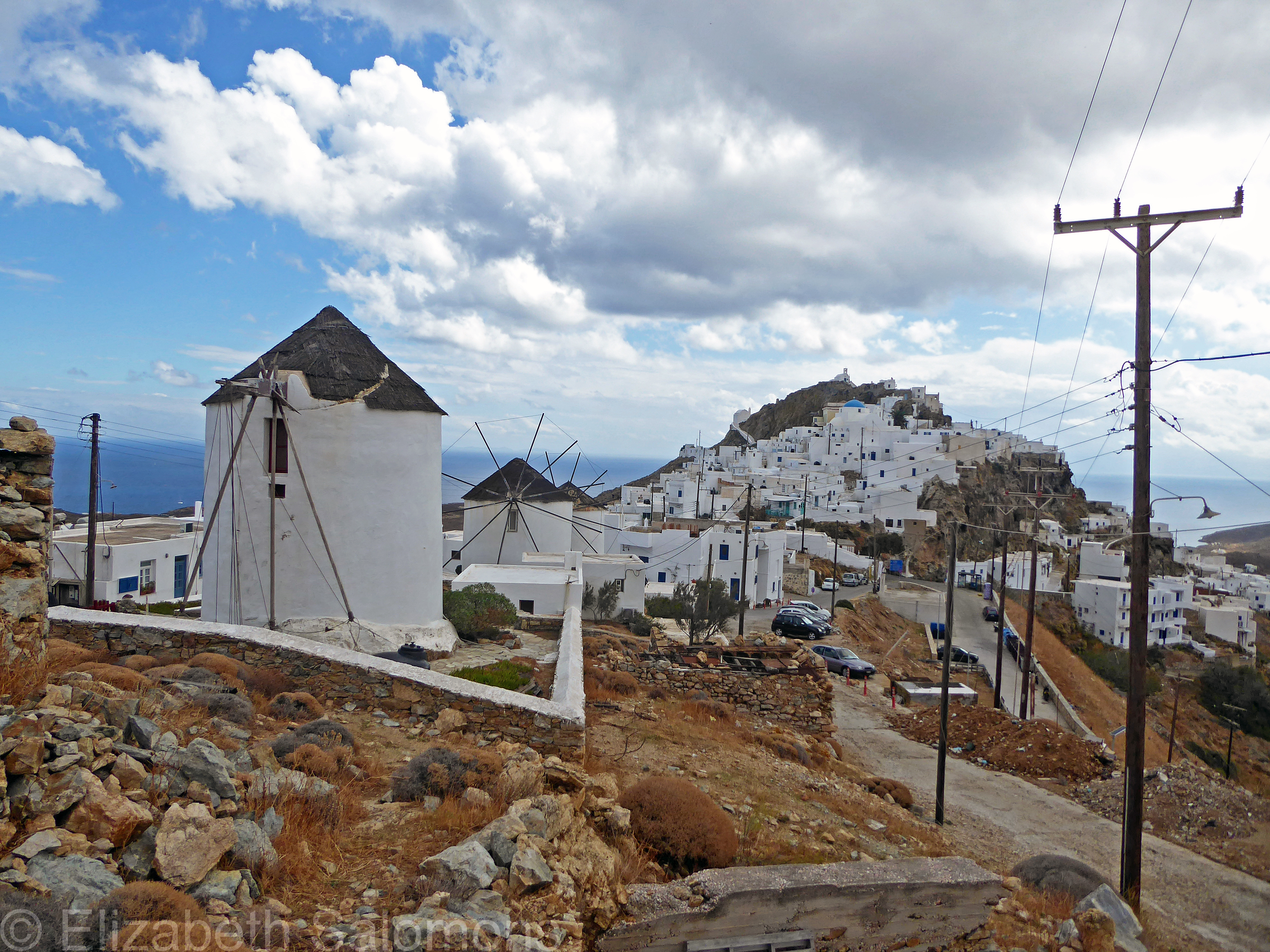
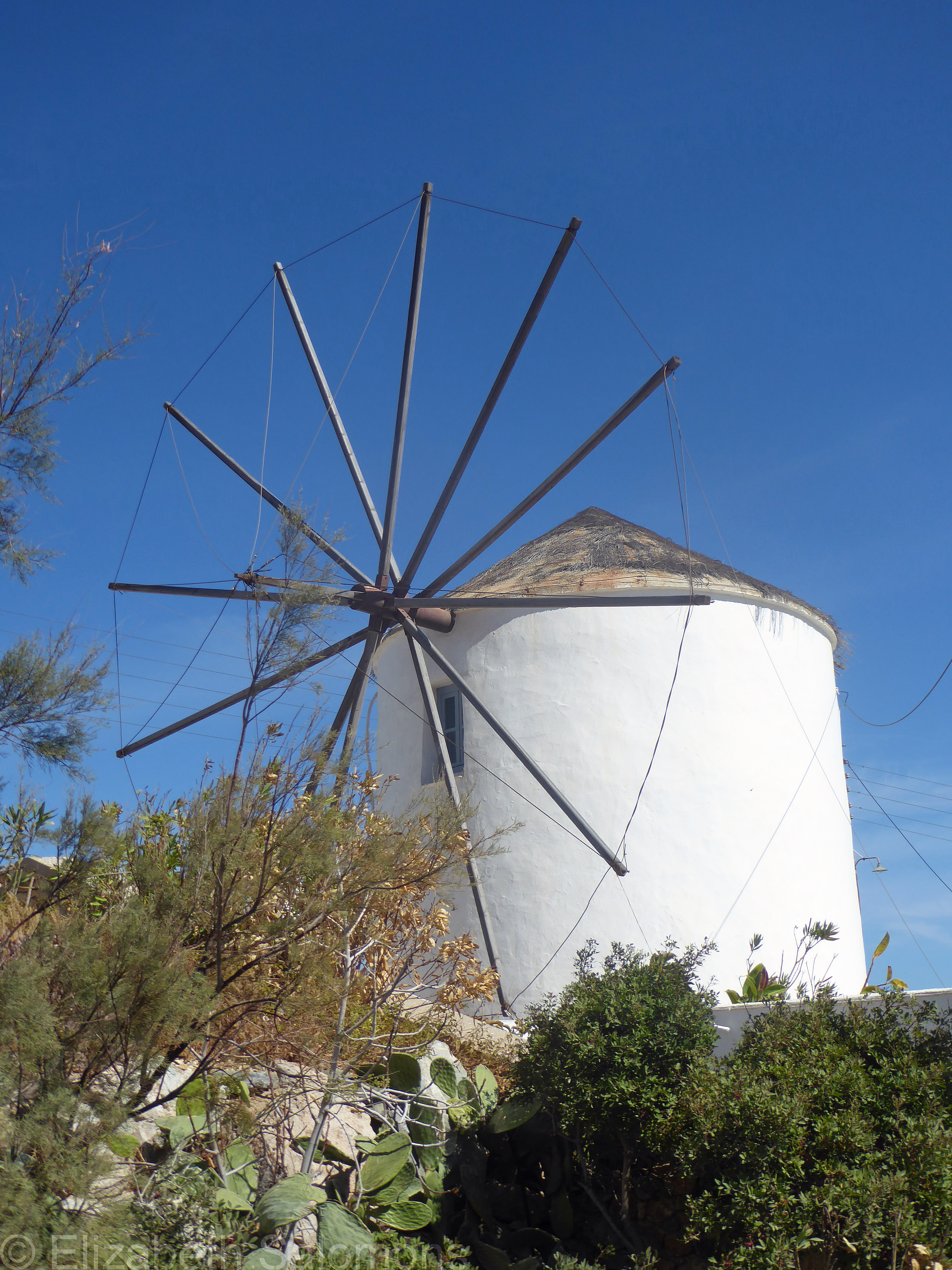
At one time, there were eight, all built to grind grain into flour.
Why are so many places in Greece named Chora, you may well wonder? It’s because it’s the Greek word for “town.” Typically, the first or biggest settlement on an island is referred to as the Chora.
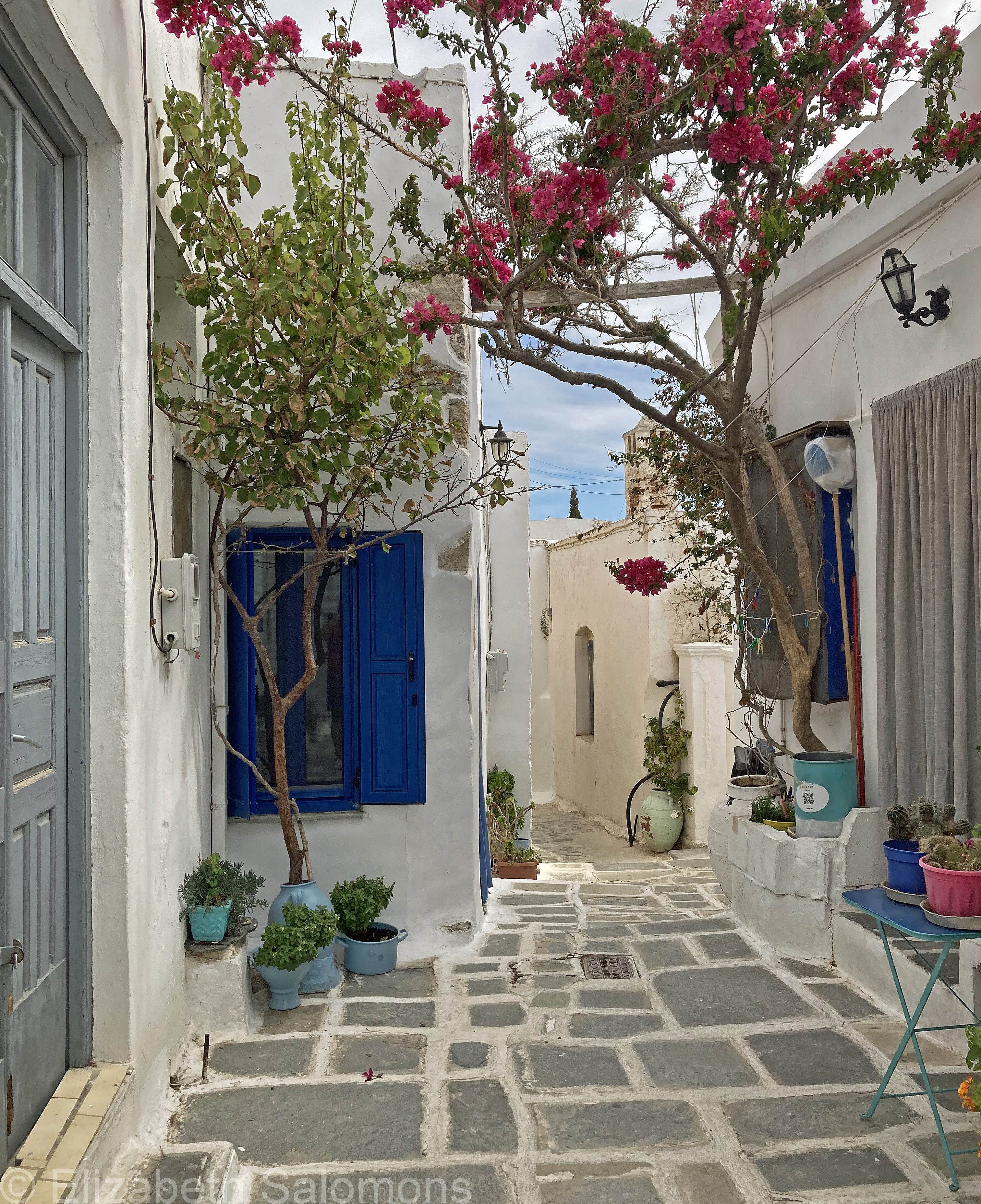
On Serifos, the Pano Chora (upper town) is the oldest part of the town; I was staying in the Kato Chora (lower town).

Some say the Chora of Serifos is the prettiest in the Cyclades. Who am I to argue?
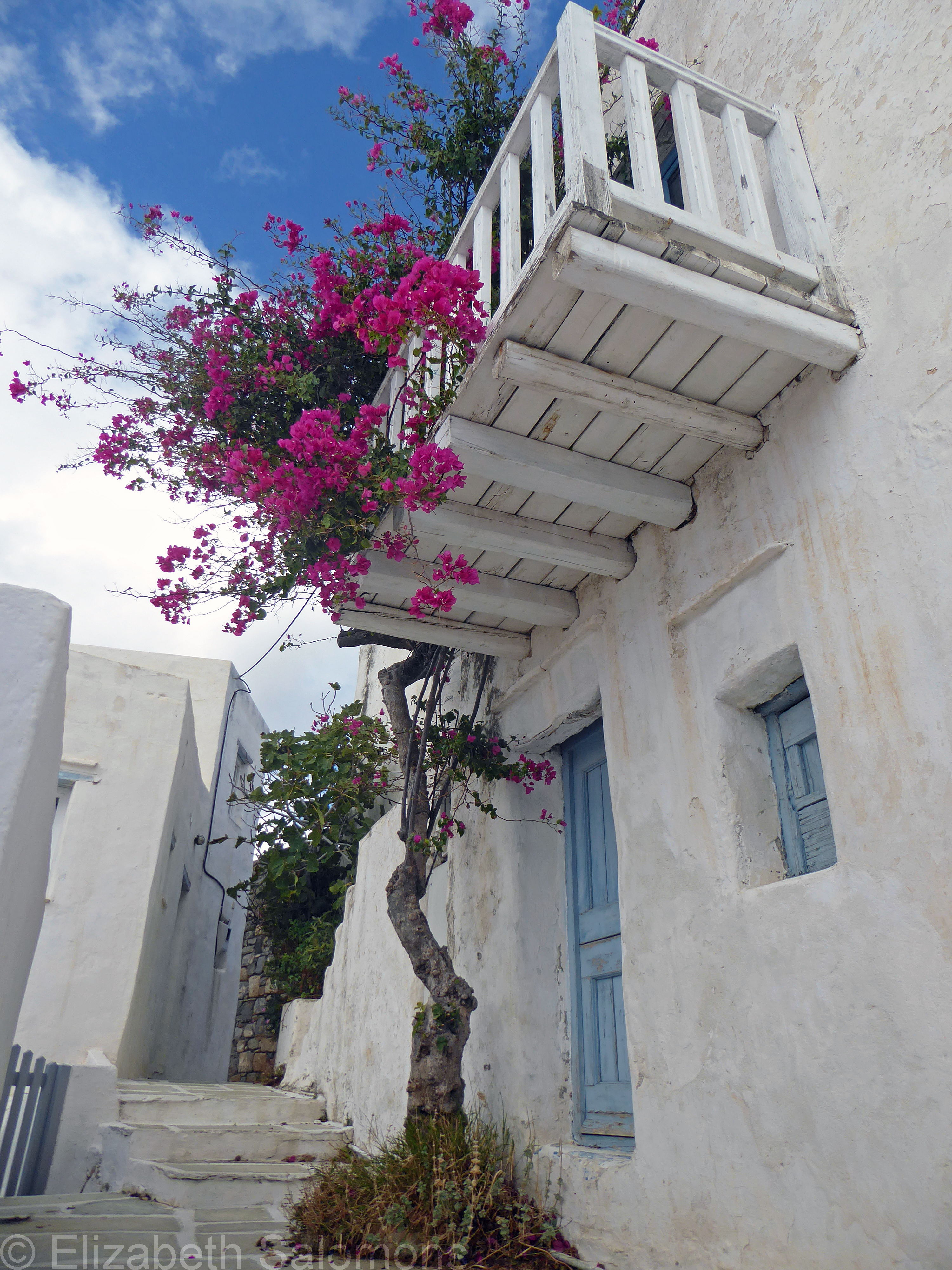
It felt special, living right in the Chora like I did. But most of the island life took place at Livadi. I was off to explore that next.
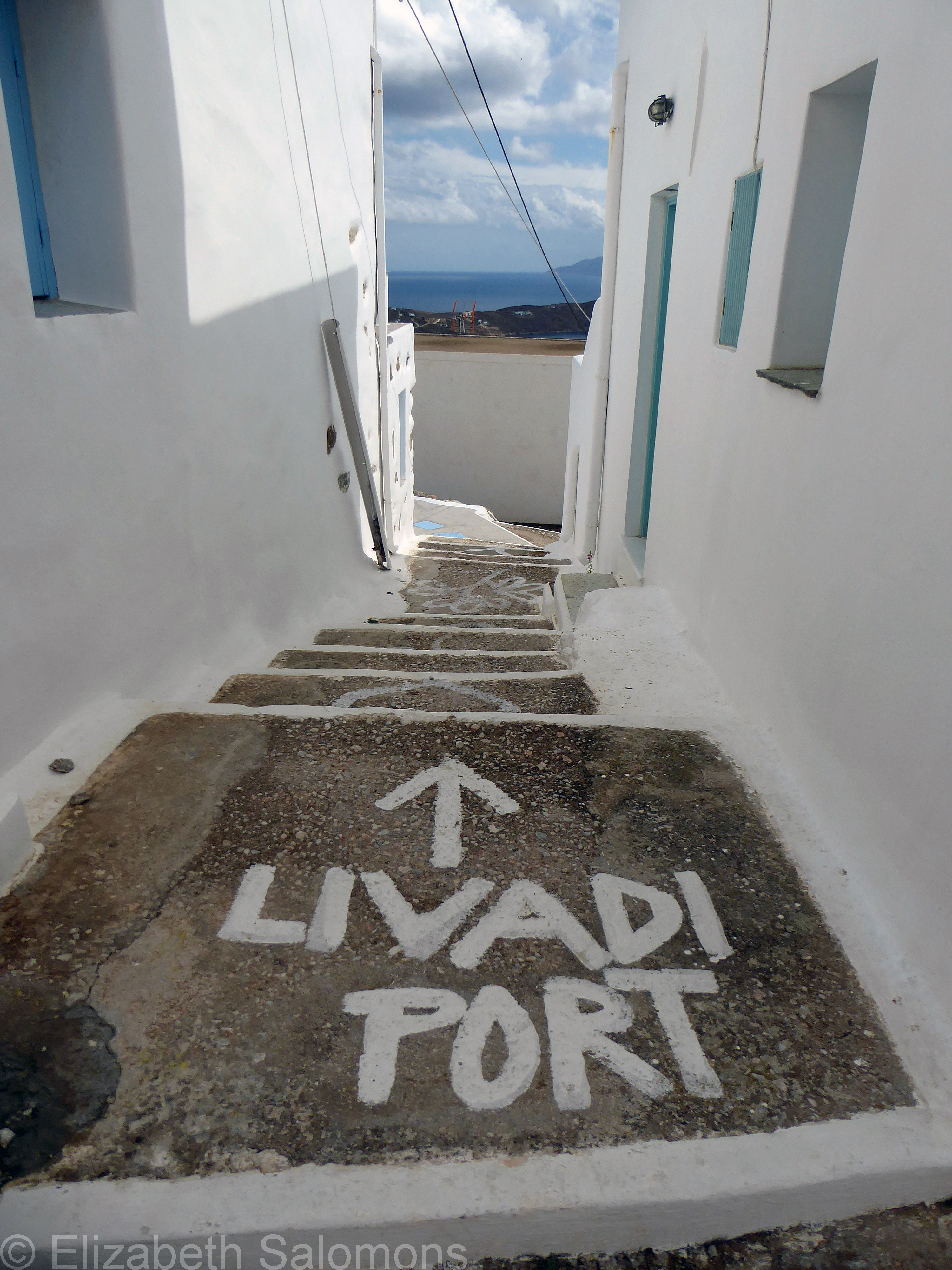


 There and Back Again