
Merry Christmas!
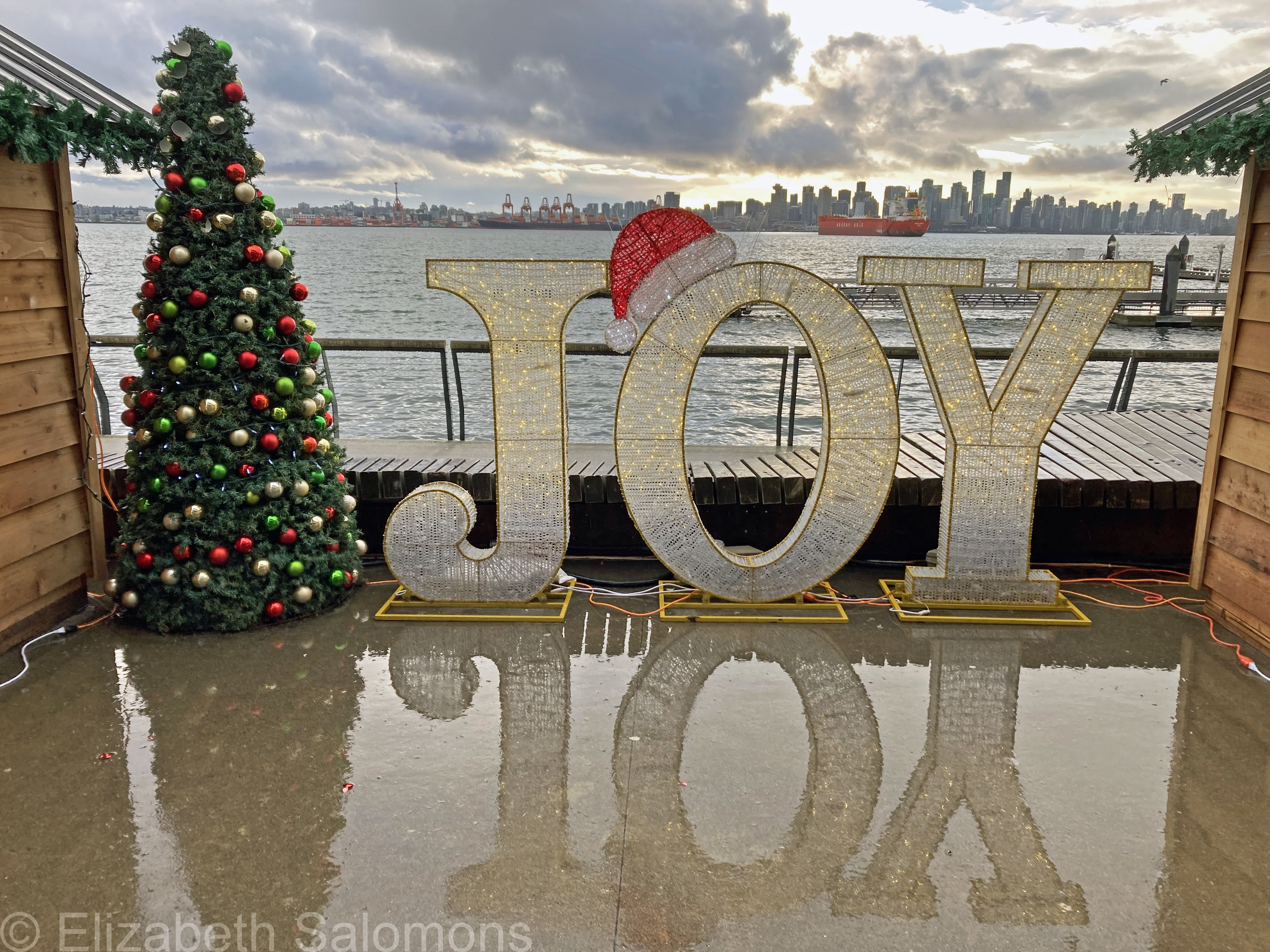
Shipyards Christmas Market, North Vancouver
Through My Lens: Shipyards Christmas Market
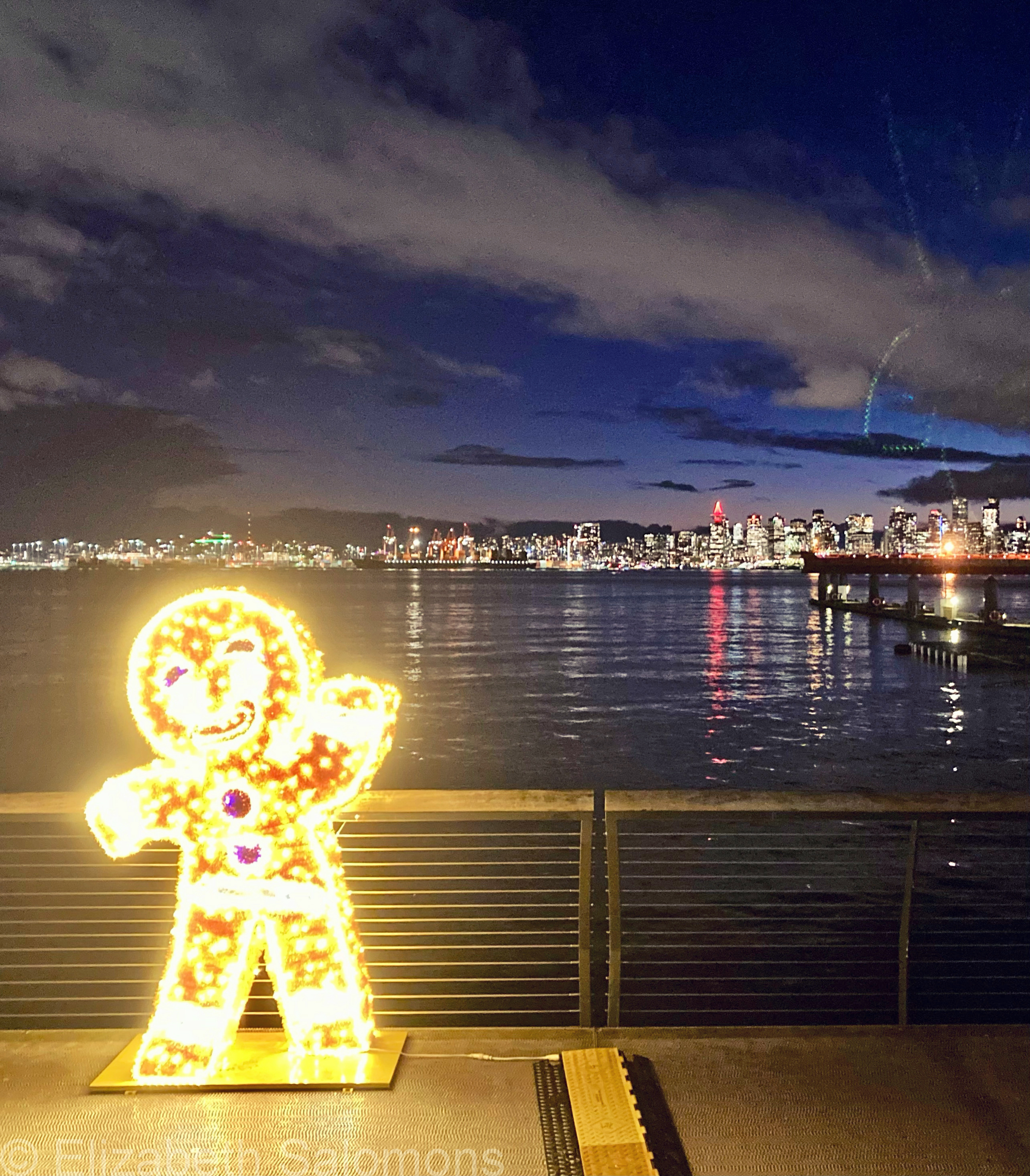
There’s a new Christmas market in town and I, for one, am beyond happy about it. Located at the Shipyards District in North Vancouver, it’s already two years old and this year’s market is even bigger and better than last year’s. In fact, it’s become so popular, they’ve put on extra sailings of the SeaBus to get you there.
And, bonus: that view of downtown Vancouver.
Vancouver Goldeneyes Home Opener
Vancouver gets behind its professional sports teams in a pretty big way. And now there’s a new team in town to cheer on. That would be the PWHL’s Vancouver Goldeneyes.
I was one of 14,958 lucky fans sitting in the Pacific Coliseum last night who got to watch the season home opener and the first game in franchise history. The atmosphere was electric.
The Goldeneyes are the first Professional Women’s Hockey League (PWHL) team to be an anchor tenant in their arena. Which means they are the only PWHL team that gets to play on ice branded with their team logo. It may seem like a small thing, but if you listen to the media interviews the players gave after the game, you realize, for them, it is huge.
These photos aren’t the greatest as I was shooting with a four-year old iPhone that’s pretty bad with distances. Even so, it was fun documenting a series of franchise “firsts” and I’m so glad I was there.

First sell-out game

First warm-up

First ceremonial puck drop
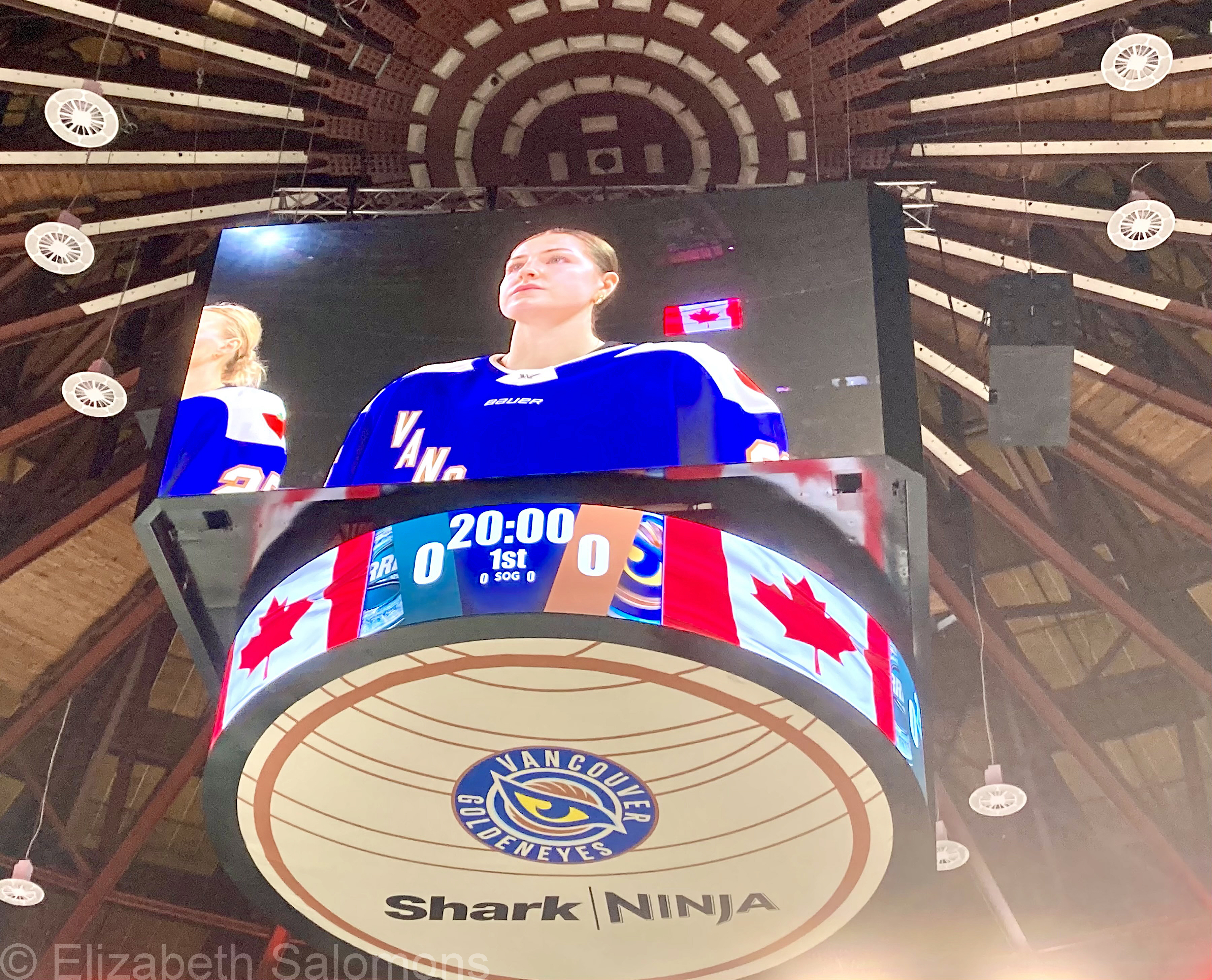
First national anthem
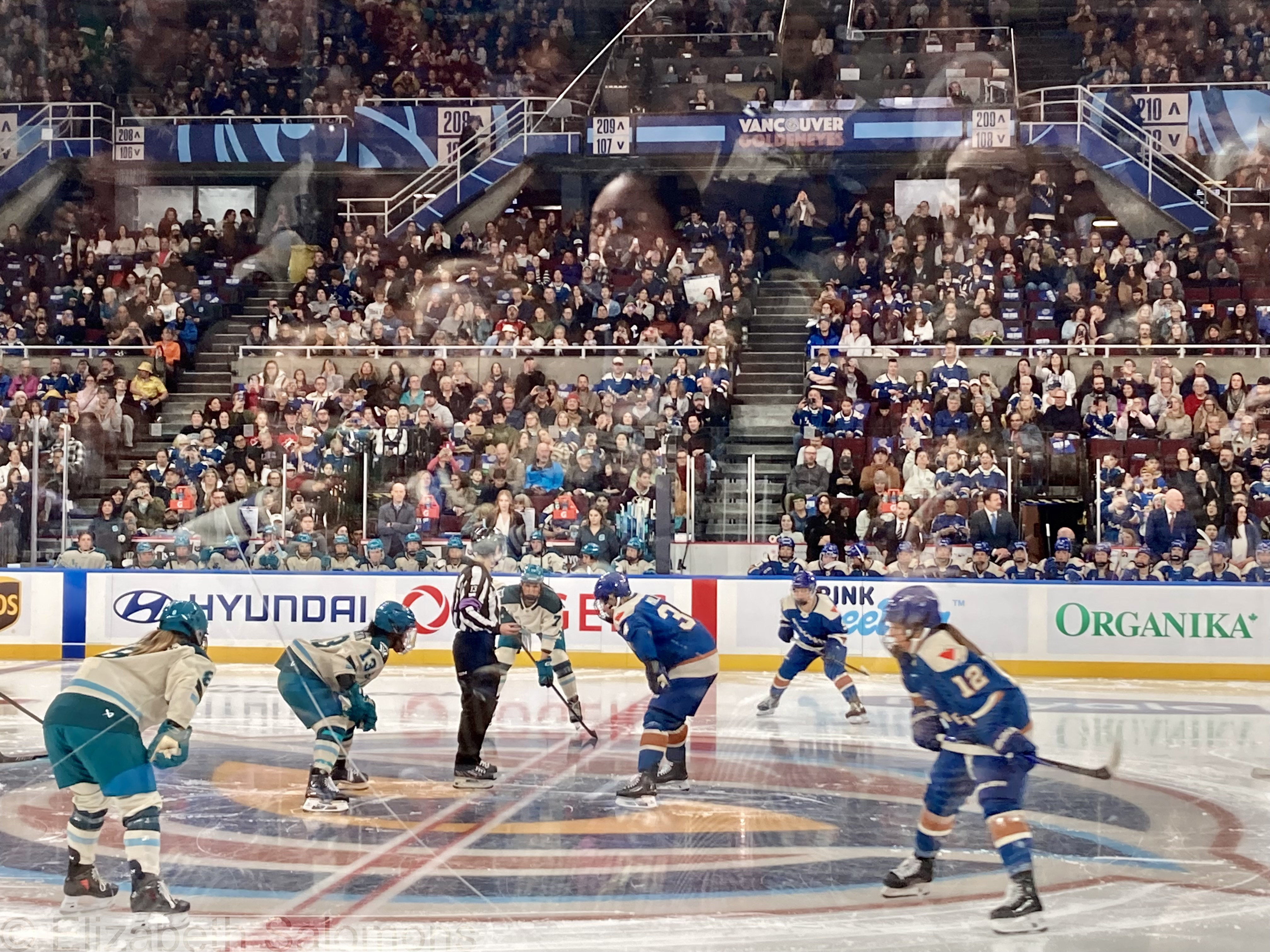
First game puck drop
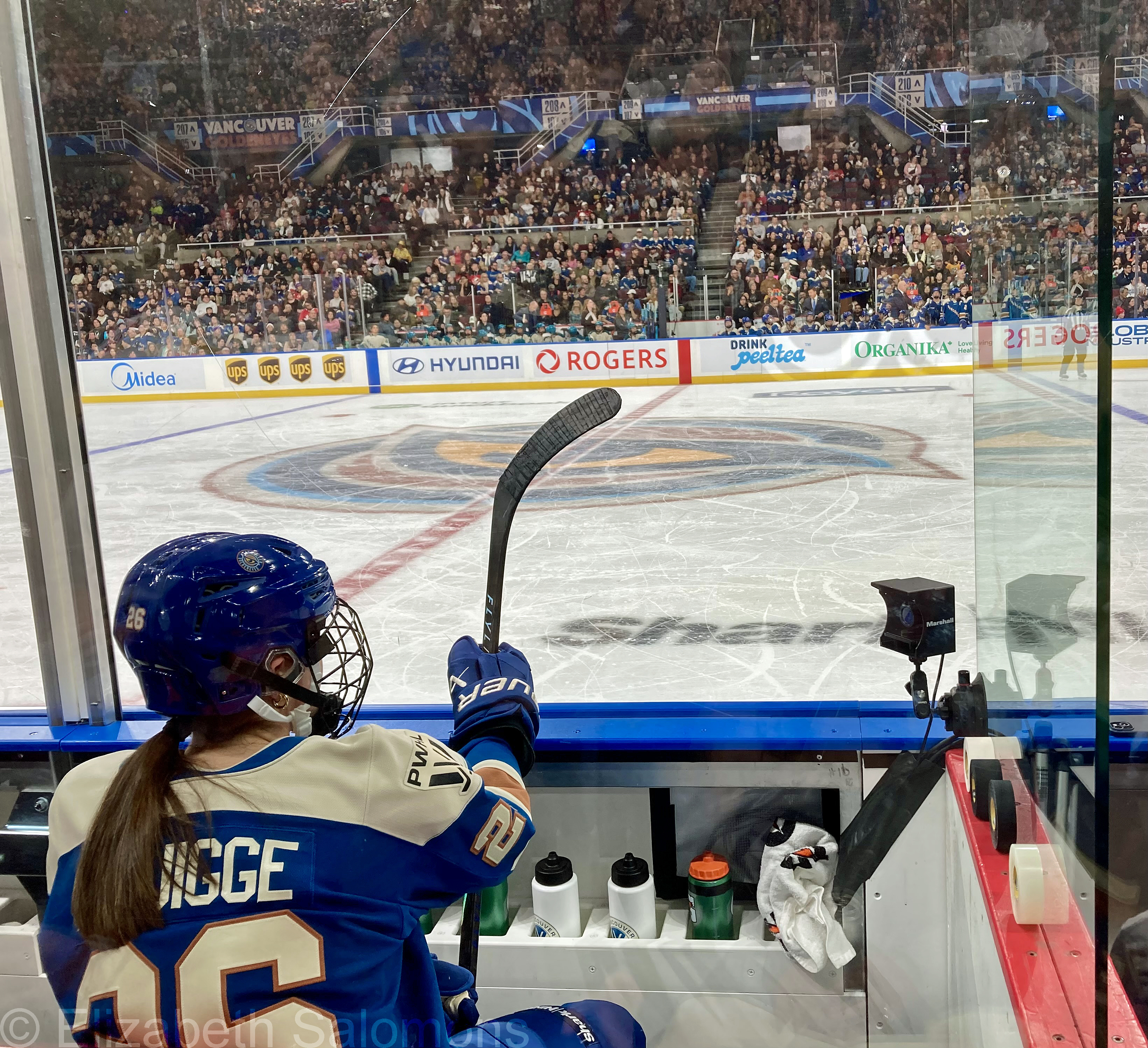
First penalty

First win
Through My Lens: Alberta Highway 540
A couple of times a year, I make the trek from Vancouver to Calgary (by plane) then on to Lethbridge (by car) to visit family — as I did last weekend. But instead of taking Highway 2 all the way back to Calgary as I usually do, I decided to make a left turn somewhere north of Nanton and south of High River onto Highway 540. And I’m so glad I did.
I mean, c’mon. Just look.

World Series 2025
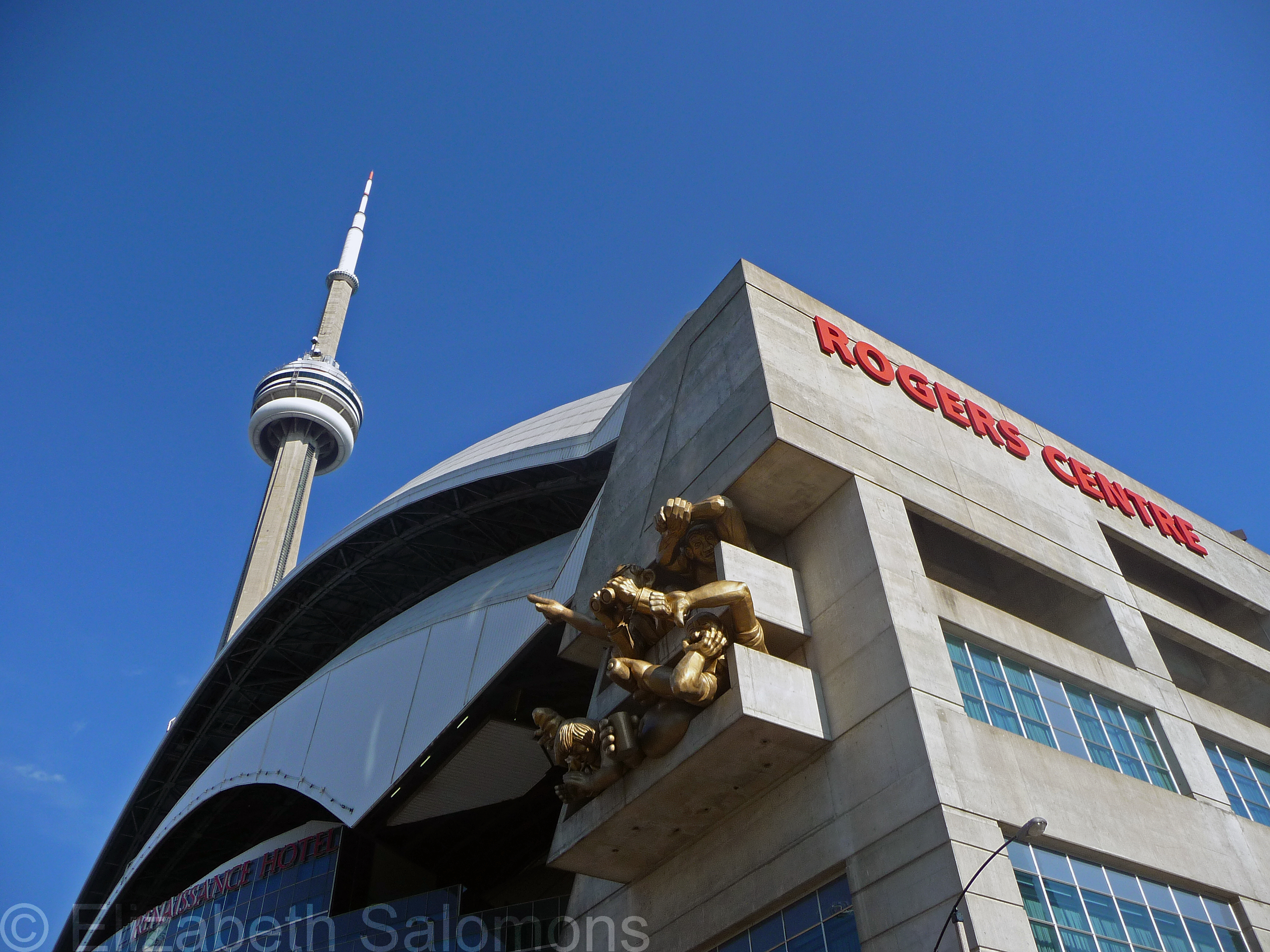
What a game. What a series.
Both of these things can be true: I haven’t watched a Blue Jays’ game since I moved from Toronto to Vancouver in 1998.
Also true: I remember exactly where I was when Joe Carter hit that home run (at a party hosted by my history professor where a bunch of us — including my prof — had decamped to the TV room to watch the game).
This week brought back so many great memories of how much fun it was living in Toronto in the early ’90s. It didn’t go our way last night, but there’s always next year.
Through My Lens: September Flowers

It’s raining today. And I can’t believe I’m saying this, but after a long, hot summer, it’s a relief to have some cooler temperatures again.
The flowers planted along English Bay are looking rather autumnal as well.
Through My Lens: Ruckle Park Sunrise

I was hoping for a weekend of sunrises like this one at Ruckle Park on Salt Spring Island. Alas, our planned weekend of camping by the sea had to be cancelled when one of our party came down with Covid. Five years on, it’s still safety first.
And I, for one, am OK with that.
Through My Lens: Ships and Foliage at Sunset

I’ve been a bit neglectful about posting lately. Because summer. (Who wants to be sitting at their computer when you can be outdoors?)
This is a favourite photo of mine; I took it as I walked along the seawall one warm August evening some years ago.

Happy Birthday, Canada House!
Canada is a great country: alike in the literal sense of vast extent from sea to sea and great in achievement and in promise, and it is right and necessary that its official representatives here should be housed in a manner worthy of the Dominion and adequate to the discharge of their ever-growing and important duties.”
— King George V
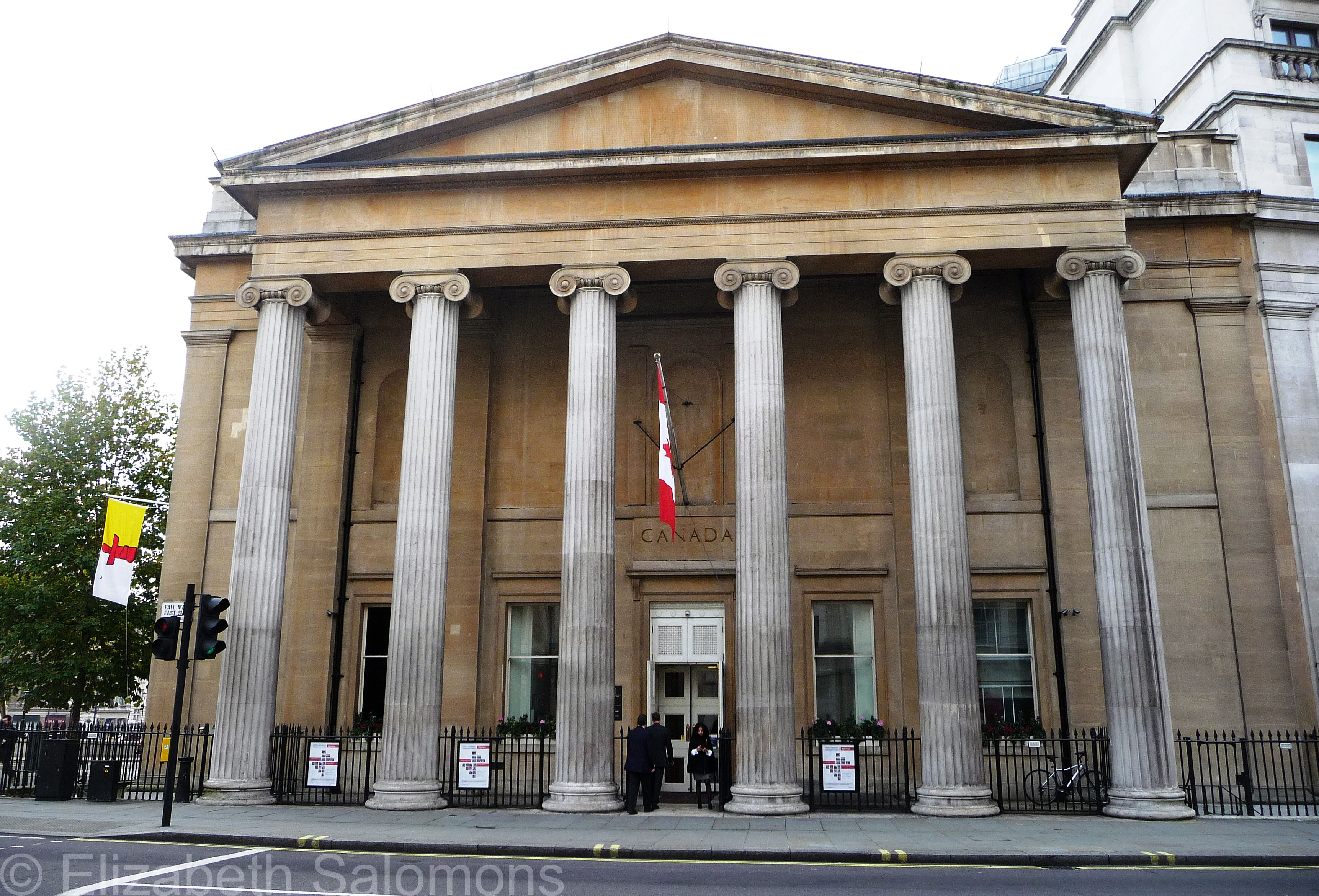
A hundred years ago today, King George V opened Canada House, also known as the High Commission of Canada in the United Kingdom, with these words. The building has a unique purpose in the relationship between Canada and the UK and a pretty cool address: Canada House, Trafalgar Square, London.
Completed in 1827, the building was purpose-built for a gentleman’s club known as the Union Club. Its architect was Sir Robert Smirke, designer of the British Museum and the Royal Opera House at Covent Garden. The Greek Revival style was a departure from the Regency era, and the style was adopted by many of the neighbours of Canada House, including the National Gallery, South Africa House, and St. Martin-in-the-Fields.
Canada bought the building in 1923. After extensive renovations, the High Commission moved in and has resided there ever since. London is Canada’s oldest diplomatic mission and its second largest, with a complement of 300 today. (In 1923, it numbered five.)
The reason Canada House is a High Commission, not an embassy, is because when it was established way back in 1880, Canada was still under colonial rule. (Fun fact: Canadians were considered British subjects until 1947.) Our first prime minister, Sir John A Macdonald, had a representative in London who acted on his behalf and whom Sir John A. wanted to call a resident minister. Britain said no to that idea and suggested the title of high commissioner instead. That title and the position became the standard for all members of the Commonwealth and is why Commonwealth nations send high commissioners, rather than ambassadors, to each other’s capitals.
As the Canadian diplomatic mission in London grew, it expanded into a second location on Grosvenor Square called Macdonald House, which was in use from 1961 to 2014.
In 2013, Canada bought the building next door to Canada House. Former home of the Sunlife Assurance Company of Canada, it was built at the same time as Canada House and in the same Greek Revival style. (Another fun fact: this building served as the overseas headquarters of the Canadian Army during World War II.) Renovation work converted the two buildings into one, Macdonald House was sold, and the High Commission has resided in one building since 2014.
I became aware of its centennial when I saw the coverage of King Charles and Queen Camilla’s visit to Canada House back in May. They dropped by to draw attention to their upcoming visit to Canada. That visit would be Charles’s 20th, but his first as Sovereign. The purpose of his visit was to attend the opening of Canada’s parliament and deliver the Speech from the Throne.
Given current world events, this was a pretty big deal. Indulge me as I take a moment to explain why. Some of my readers, especially the non-Commonwealth ones, might not understand.
Although Canada is an independent nation, we are a member of the Commonwealth, and one of 14 realms where, in addition to the United Kingdom, the Sovereign is also the Head of State. This means Charles III is also King of Canada.
The Throne Speech outlines the government’s agenda for the next session of parliament and is usually read by the Governor General, who is the King’s representative in Canada. But on just three occasions, the Sovereign has travelled to Canada to read the speech: King Charles last month, and his mother, Queen Elizabeth II, in 1957 and 1977.
After being sworn in as prime minister in March, Mark Carney made a quick overseas trip to Paris and London, stopping off in Iqaluit on his way back to Ottawa. Many saw this trip as symbolic; during his swearing-in ceremony, Carney pointed out that Canada was founded by three peoples: French, English, and Indigenous. While in London, he met with King Charles and asked him to open the next session of the Canadian parliament, should the Liberals be successful in the next election. Which they were.
Fast forward to May 27. Having the King open the 45th Parliament of Canada and deliver the Speech from the Throne highlighted to the world that we are a constitutional monarchy, and our system of government is much different than that of the republic to our south. Charles and Camilla were in Ottawa less than 24 hours, but were given a warm welcome by thousands of Canadians. Even anti-monarchists were heard to remark on the significance of the occasion.
About those current world events. Some people think Canada becoming the 51st state is a joke, but Canadians aren’t laughing. The Speech from the Throne reiterated Canada’s sovereignty and the need to rebuild our relationships with both the United States and the rest of the world.
The Throne Speech is always written by the government, but the Sovereign (or the Governor General, as the case may be) are expected to add a personal touch at the beginning. Charles did so with these words:
Every time I come to Canada, a little more of Canada seeps into my bloodstream — and from there straight to my heart.”
It was a bit surreal to hear King Charles speak about Canadian domestic issues such as building affordable homes and strengthening our border, but when he read the following words, his tone was heartfelt:
As the anthem reminds us: the True North is indeed strong and free.”
The entire chamber broke out in applause.
The monarchy has to remain apolitical, but they have been known to use symbols to express themselves. Canadians noticed when Charles wore his Canadian military honours while on a visit to a Royal Navy ship in early March, a day after meeting with Prime Minister Trudeau in London. The visit of Charles and Camilla to Canada House a week before their visit to Canada was another symbol.
I got up close and personal with Canada House over two days in the fall of 2010. The above photo is actually of the side entrance, not the main one by which the Royals and other distinguished guests enter. But it’s the entrance I used. See, when you’re a Canadian in London who has had her passport stolen while travelling on a crowded Tube train, you need to visit Canada House.
The wallet was stolen on a Saturday night, and I had to wait until Monday morning to get into the High Commission. By then it had been a long and stressful two nights for me, but the consular official who helped me was calming and reassuring. She had me sorted out in no time. I returned the next morning to pick up my temporary passport and was then able to leave for Paris, only one day later than scheduled.
So for me, Canada House isn’t just a symbol. And while I’m sure the people who helped me thought they were just doing their job, I needed them to do those jobs to get me home.
In the same way, asking the King of Canada to open our Parliament is more than a symbol. It’s his job. And this year, in these times, we needed him to do his job. It might not make any difference to the man sitting in the White House, but it sure reminded Canadians that we are strong and, indeed, free.


 There and Back Again