
Sunset Beach
Here we go again. Sigh.
Who knew beaches would turn out to be such a lightning rod during this pandemic?
Beach-shaming has become the thing to do whenever Vancouverites take advantage of a sunny weekend and flock to the beaches. People who are not at the beach get upset at those who are, and, well, words are said.
The thing is, the people doing the shaming all seem to live in large suburban homes with large suburban backyards, while the people who are spending time on the beach live in tiny condos with little or no outdoor access.
The other issue is that those who are doing the shaming base their indignation on photos that, intentionally or not, are quite misleading. Camera angles and lens sizes can distort reality, I’ve learned. And when you walk past one of Vancouver’s beaches on a sunny weekend, it is clear that people are, for the most part, staying apart.
Vancouver has not been alone in its beach-shaming. There have been similar incidents of crowded parks and over-the-top reactions in Montreal and Toronto as well. The latest uproar — which is what prompted me to write this post — concerns the crowds seen at Sylvan Lake, Alberta, last weekend. I spent many childhood summers swimming in Alberta lakes — I know how lovely they can be on a hot summer’s day. I’ll reserve judgement on what the Albertans were up to last weekend, but I will say this: Central Alberta isn’t exactly known for its high-density neighbourhoods.
Some of the smartest talk I’ve heard about the pandemic relates to these kinds of incidents. We can’t see the virus, but a large group of people gathered together outdoors is visible in all kinds of ways. We know that yelling at a virus is pretty futile, but somehow yelling at a group of people who aren’t behaving as we think they should makes us feel better. Or morally superior? I dunno.
There’s also the novel idea that we — all of us — should focus not on what behaviours we are entitled to, but on what impact our actions have on others. Pandemic ethics in a nutshell, I call it. Meaning, those of us who do have access to a backyard, or perhaps a smallish, but perfectly adequate park in our immediate neighbourhood, should stay close to home instead of heading out to a popular park or beach where there might be a crowd. Leave room at the park or beach for those who don’t have a backyard — you know, the family who’s been cooped up indoors all day, or the group of people who live alone and have limited options for socializing in a physically distant way.
And that is why when reporters asked a few months ago why Vancouver wasn’t closing its parks and beaches, our provincial health officer responded by first reminding everyone that we need to stay apart, but then urging everyone to get outdoors for the sake of their mental health.
I’ve been meaning for some years to do a summer series on Vancouver’s beaches, but time got away from me, as time tends to do. Now I’m thinking my procrastination has been rather fortuitous in that there has never been a better time to talk about Vancouver’s beaches than during this summer of staycations. I have several within walking distance of my home — you can’t get much more staycation than that.
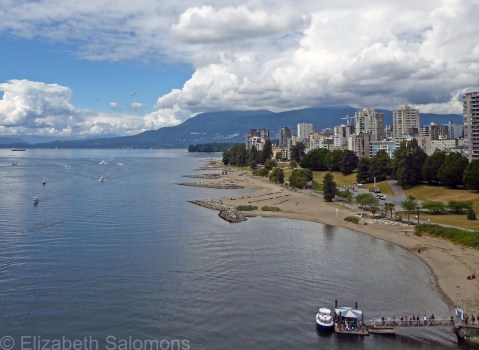
To start us off, here’s a photo of my closest beach. Located along the appropriately named Beach Avenue, Sunset Beach is not wildly popular for swimming, likely due to its proximity to False Creek and rather a lot of boat traffic. But it is a great spot for picnics, and for watching the sun set. I took this photo from Burrard Bridge a couple of summers ago.
Through My Lens: Summer Rose
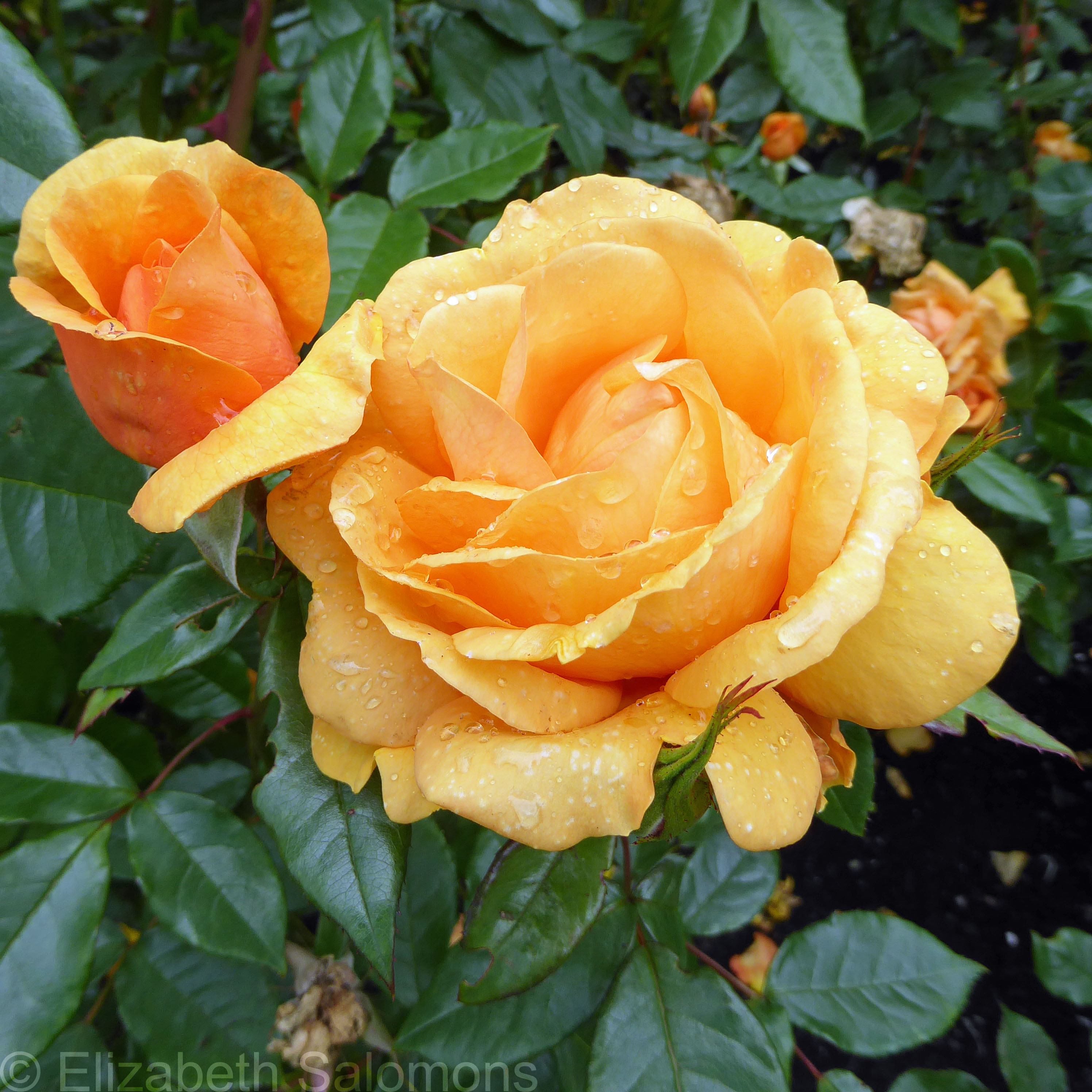
Here’s something pretty for you all to look at. The roses in Stanley Park are in full bloom right now, as they are every summer from June until September.
This year feels a little more special since the Stanley Park Rose Garden is celebrating its 100th birthday. It is the largest public rose garden in Western Canada and has a total of 3500 rose bushes spread over 60 beds. The Rose Garden is situated between Stanley Park’s rainforest and a small grove of Akebono cherry trees that bloom every April.
If there ever was an opportune time to stop and smell the roses, it is right now.
Day 100
It’s been 104 days since the WHO declared Covid-19 a pandemic, and five months to the day since Wuhan, China, was locked down. And it’s Day 100 of my pandemic.
I didn’t really consider my own need for physical distancing until I had a routine dental exam on March 16, only to learn an hour later there was a Covid-19 outbreak associated with a dental conference that had taken place in Vancouver earlier that month. I called my dentist. They were closing down their office until further notice.
Talk about a wake-up call.
Life has become an endless cycle of Zoom calls, laundry, and pandemic baking. I find joy in mundane events like the opening of a rebuilt grocery store around the corner from me that shortened my weekly grocery trek by almost two-thirds and greatly reduced my shopping stress thanks to its extra-wide aisles.
Even my cats seem different. They follow me from room to room and seem to be sticking much more closely to me than ever before. Which is ironic given that I’m home more than ever.
This pandemic has provided some valuable lessons in how we function as a society and as a community. How we care for our elders, how our cities function, how our supply chains work, how dependent we are on temporary foreign workers for our food production.
On a personal level, I’ve mastered baking sourdough bread. I’ve also become much more aware of who calls Vancouver home now that all the tourists are gone. Previously (and sheepishly, I will admit), I thought all the people around me speaking Spanish or German or one Slavic language or another were visiting Vancouver from elsewhere. Turns out they are actually my neighbours. Which makes me happy. Diversity is our strength.
BC has done a pretty good job at flattening the curve. We hope to move into Phase 3 of our reopening within a few days. The most significant aspect of the next phase will be the lifting of the request to avoid all non-essential travel in the province, and the reopening of hotels, campgrounds, and other tourist accommodation.
Travel within Canada this summer is still rather uncertain. As our health officials (who gave their 100th briefing on Covid-19 today) keep telling us, each region of Canada is having its own pandemic.
What is becoming certain is that a return to international tourism this year is unlikely. I’ve noticed over the last week or so how our health officials note at every briefing the growing number of cases in parts of the United States where British Columbians have strong connections, such as Washington, Oregon, California, and Arizona. Two of every three Canadian residents live within 100 kilometres of the US border — the current border closure between our countries is unprecedented. But necessary.
So what about the next 100 days? Can we make summer travel plans? I realized early on in this pandemic that my travel plans for later in the year would have to be put on hold indefinitely. Instead, I’m thinking small. Really small. Thankfully, I live in a beautiful part of the world that I can enjoy in a physically distant way. I also plan to frequent as much as possible all the local businesses and attractions that rely on tourists. They are all on life support right now.
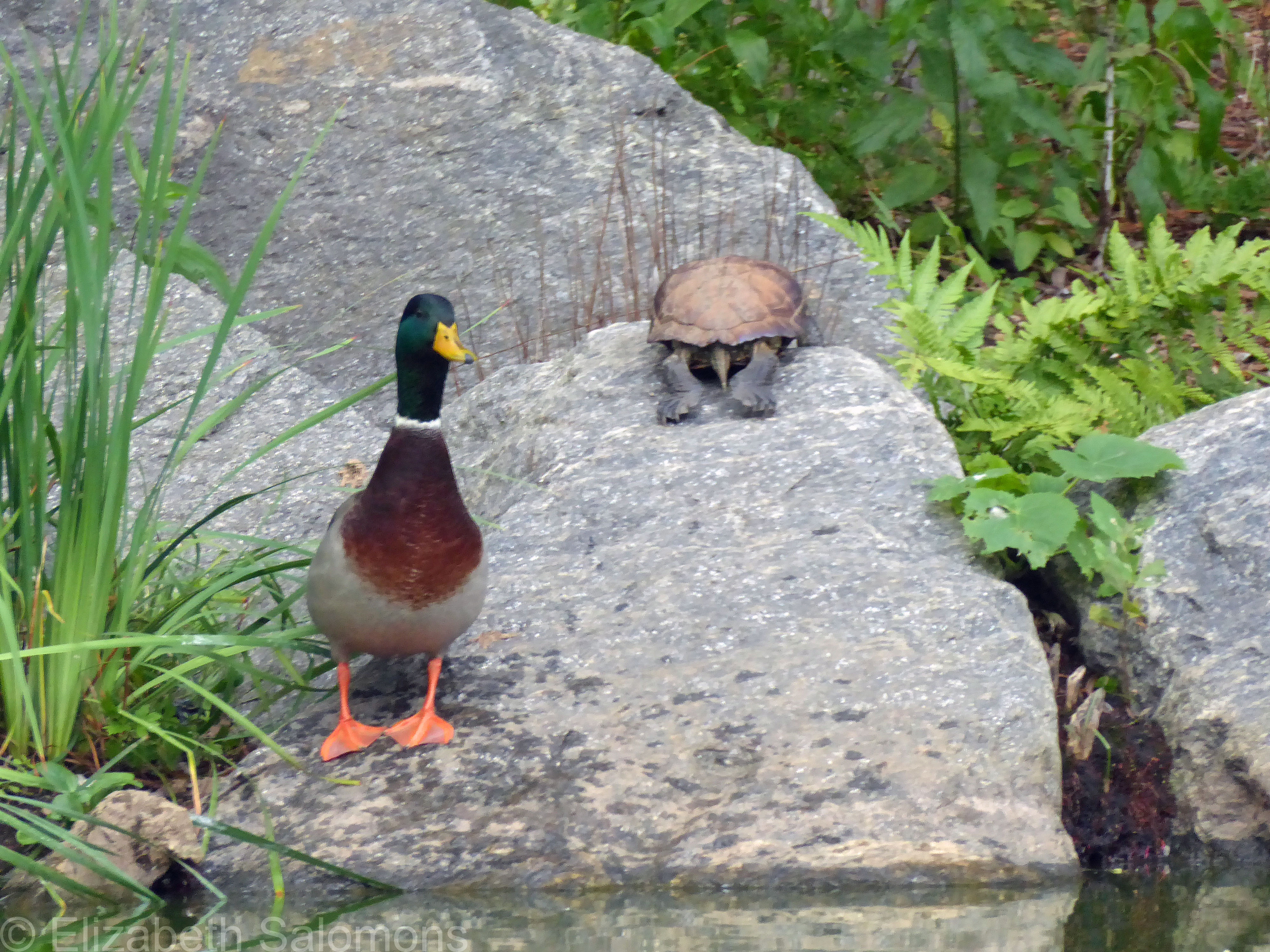
Three months ago, I found myself thinking a lot about my last visit to New York. I’m not sure why. Maybe because New York has been hit so hard by the pandemic, maybe because it’s the US city I have visited most often, or maybe because it was the last time I left the country. At any rate, here is a photo I took in Morningside Park on that week-long visit.
I can’t help but look at it and think, “We are all that turtle.”
Here’s to a safe and physically distant summer, wherever you are in the world.
Happy Birthday, Vancouver Central Library!
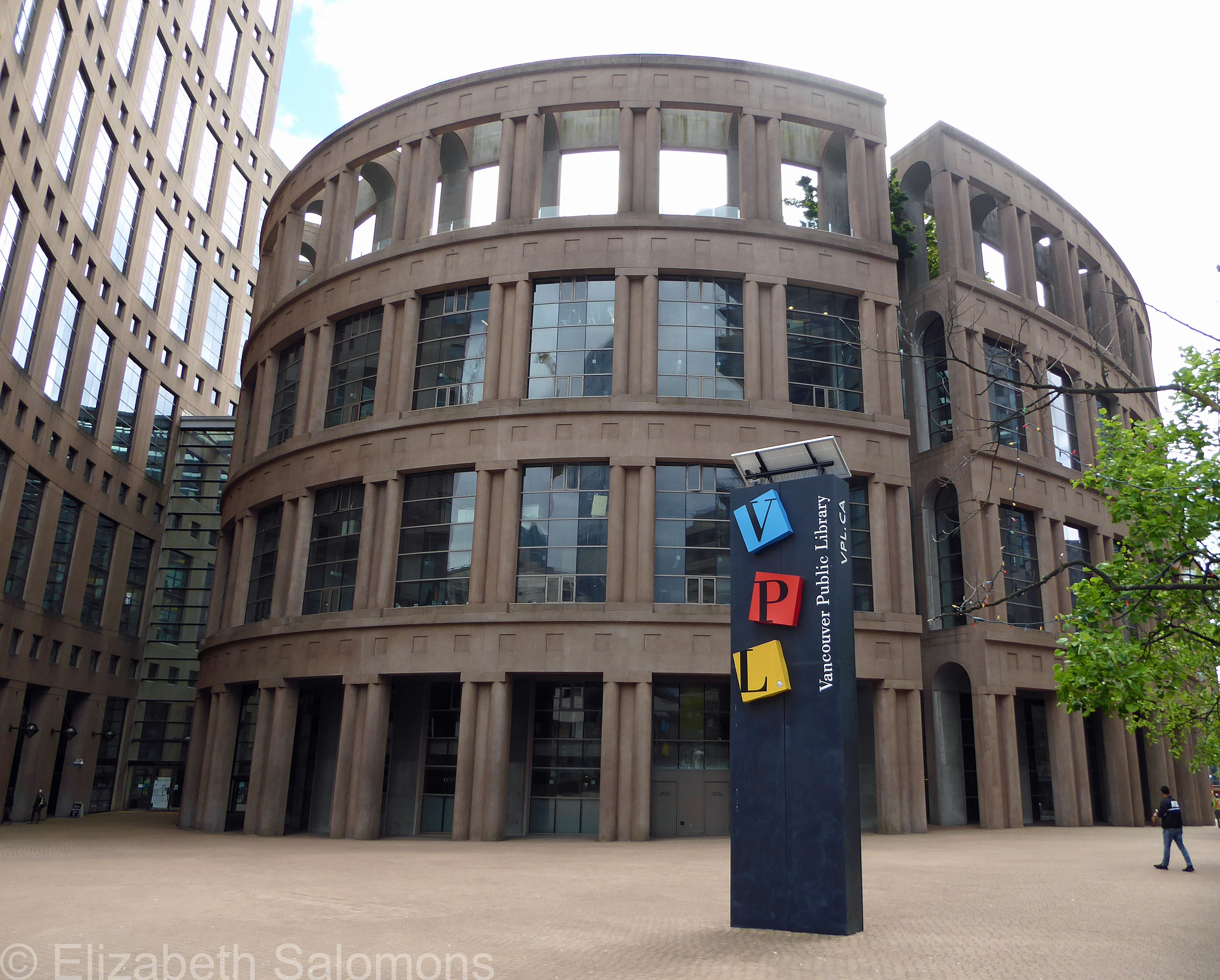
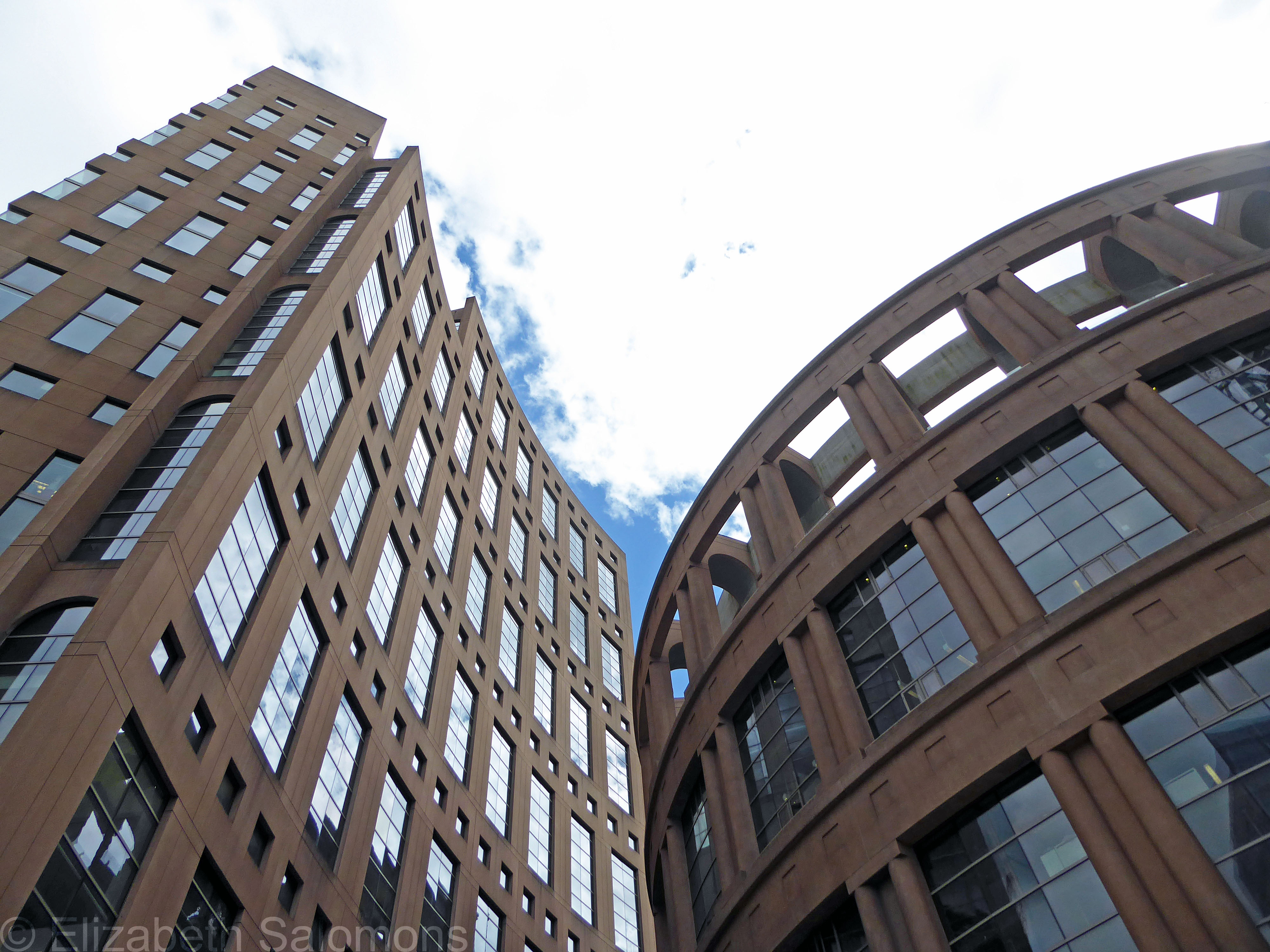
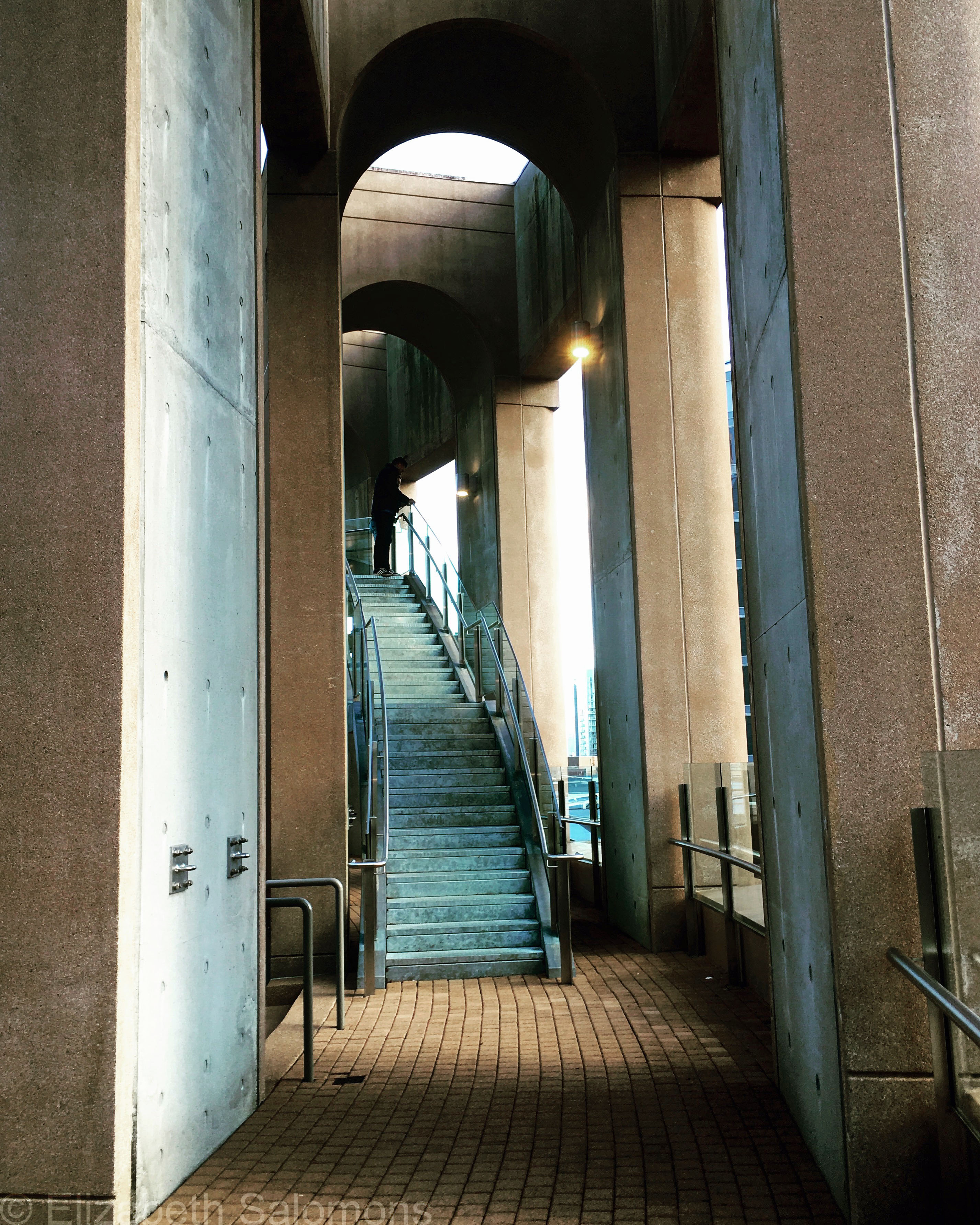
Twenty-five years ago today, the new central branch of the Vancouver Public Library opened to the public. Its iconic building is meant to resemble the Colosseum in Rome and was designed by Moshe Safdie, Richard Archambault and Barry Downs.
All public libraries in Vancouver have been closed since March 16 because of the pandemic. Demand for online content, including streaming services, has skyrocketed since. I have a handful of books I checked out months ago, none of which, I am happy to report, I’ve managed to read. The due dates have been extended three times already so there’s no pressure to return them and, had I known what was coming, I might have been far more careful in choosing my books. The books sitting on my bedside table aren’t exactly what you would call light reads.
One of the library books currently in my possession has turned out to be indispensable, however. It’s all about how to make artisan sourdough bread — rarely am I so prescient, but wasn’t that a happy choice?
As with all birthdays during these pandemic times, the celebrations for Vancouver Central Library have been muted. But one bit of celebratory news we heard today is that the library will begin curbside pickup at a few select branches next week. Patrons will be able to request books online and make an appointment for when to pick them up. And for parents, library staff will select a number of books suitable for each child’s age and interests and bag those up for the same curbside pickup.
Do you hear that? That is the sound of parents everywhere cheering at the news they will soon have a fresh selection of books to read to their toddlers.
Pandemic Murals
Midday on a Saturday afternoon about six weeks ago, I went for a walk through downtown Vancouver to see what it looked like during a pandemic lockdown.
It was heart breaking.
There was no traffic to speak of. Tables and chairs on outdoor patios were covered in a thick layer of dust. All the stores were shuttered and most of them boarded up with plywood to discourage break-ins.
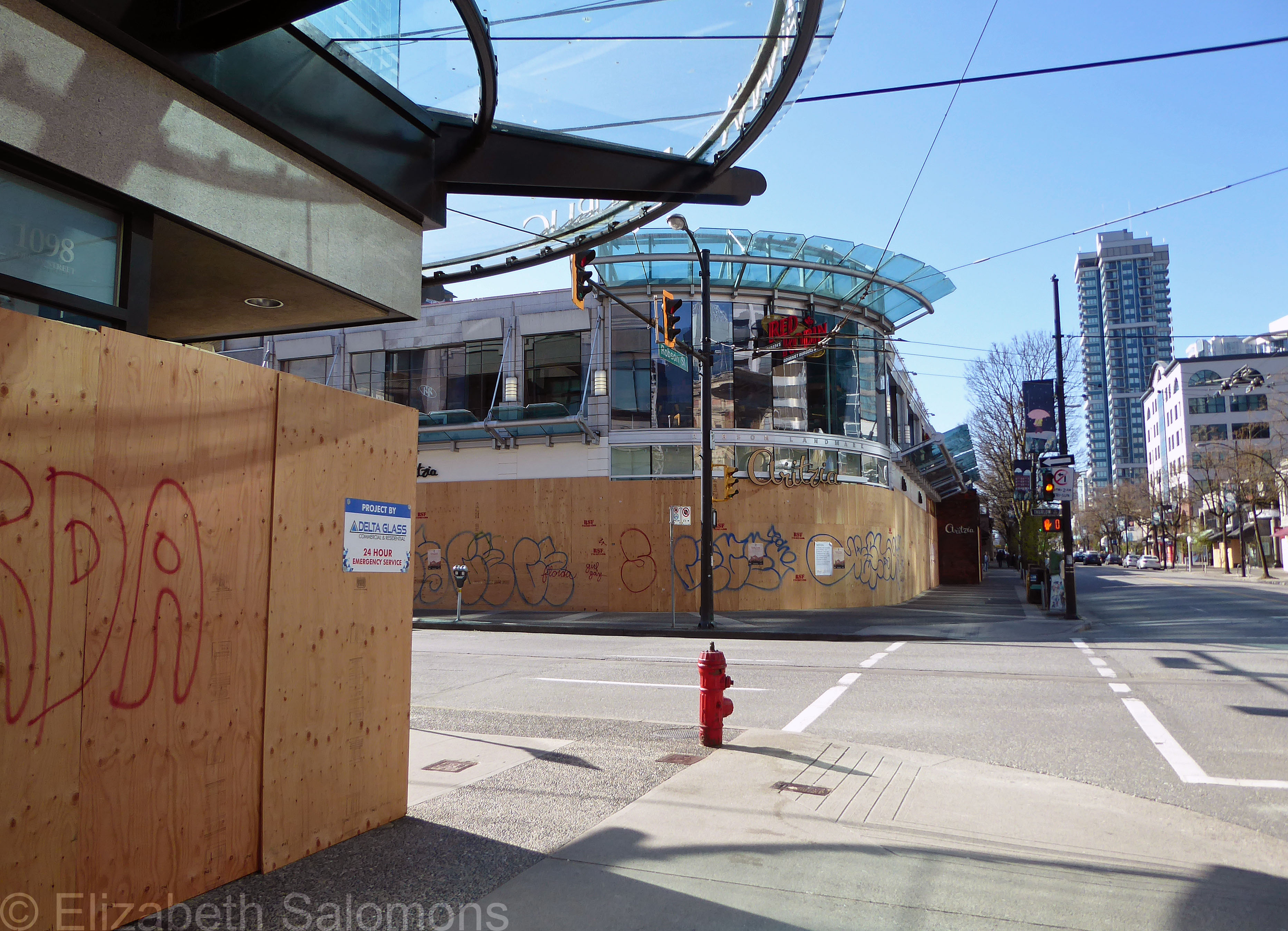
That was the day when it hit me what this pandemic is doing to our society.
A few weeks later, I heard that many of the boarded-up stores had hired artists to paint murals. So I went back for another look.
Many of the murals are rather uplifting. They certainly made me feel much more cheerful.


This week, British Columbia began Phase 2 of its pandemic lockdown. And so I took yet another walk to see the transformation.
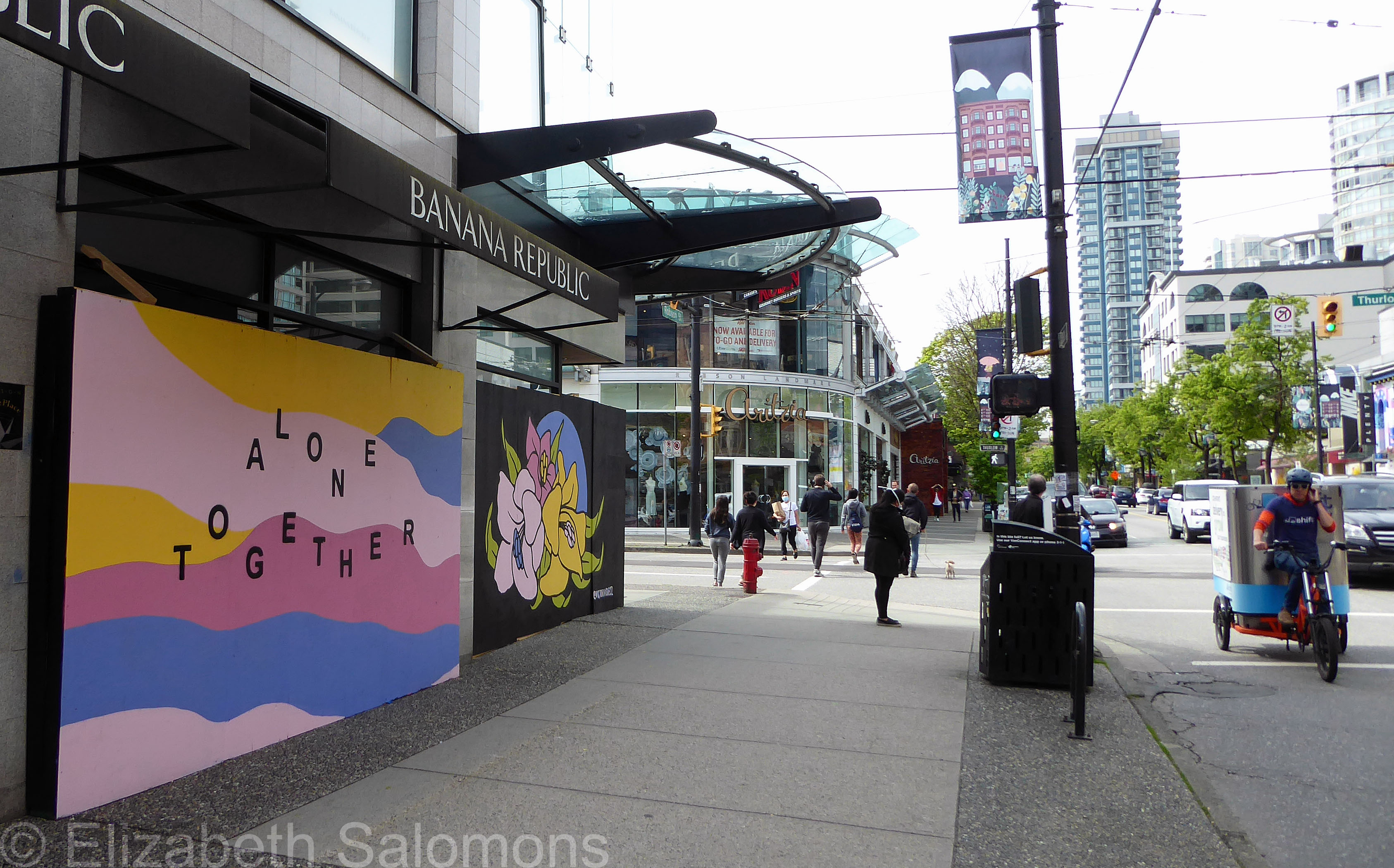
Traffic levels were what you’d expect for a sunny afternoon. Many of the stores — which were never ordered closed, but they closed anyways — are open again with all physical-distancing measures in place.
It still doesn’t look like Vancouver of three months ago, but it’s a glimpse of what our new normal will be.
For now, at any rate.
Liberation Tulips
When Canada’s lockdown began almost overnight about eight weeks ago, I found myself reflecting on how adaptable the human spirit can be. I also found myself wondering whether what we are going through in these pandemic times has any similarity to what life was like for my mother’s family during the Nazi occupation of the Netherlands. Not that a pandemic is anything comparable to a war, but what pandemics and wars do have in common is they require us all to live with constant uncertainty.
I’m not the only one who is thinking back to World War II. In her speech to the United Kingdom and the Commonwealth last month, Queen Elizabeth made reference to the challenges faced during that war as well as the family separations that were endured. She finished by expressing her confidence that, one day, “we will meet again.”
One of the sad consequences of this pandemic is that all of the celebrations to acknowledge the 75th anniversary of the end of World War II have been cancelled. No world leaders are congregating in the Netherlands or France or Britain, and no veterans are gathering on what was likely to have been the last significant anniversary for which they might have been able to attend.
Today is Liberation Day in the Netherlands, the day when the Dutch remember and celebrate their liberation from Nazi occupation. The links between Canada and the Netherlands are strong; the Dutch Royal family found refuge in Ottawa during World War II and most of the soldiers who liberated Holland in 1945 were Canadian. All of the activities that were to have taken place in Vancouver to celebrate the liberation of the Netherlands have also been cancelled.
One thing a pandemic could not stop, however, is the blooming of the Liberation Tulips. The goal established last fall was to plant 1.1 million tulips across Canada, one for every Canadian who served in World War II.
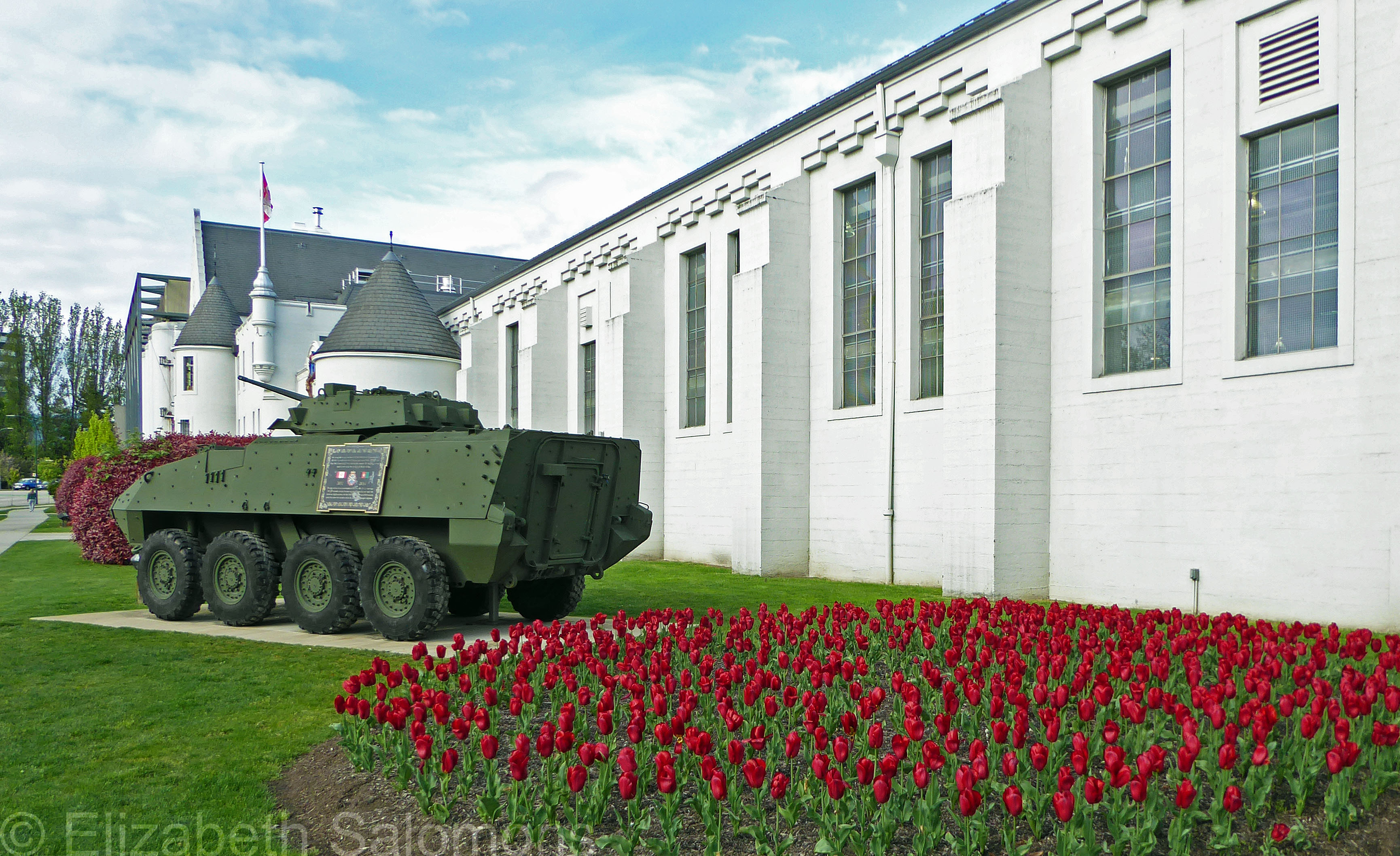
Here then is a photo I took last week of one of those tulip patches. These 800 bright red “Canadian Liberator” tulips are blooming in front of the Seaforth Armoury in Kitsilano, home to the Seaforth Highlanders. The regiment was involved in liberating Amsterdam in 1945 and about 40 of its members were planning to travel to Holland this month. Although the march into Amsterdam they intended to recreate on May 8 will not be happening, Canadians still appreciate the service those veterans gave our country and are thankful on behalf of the Dutch citizens they liberated.
It’s a Small World After All
What a year this week has been.
Typically, the first week of spring is when Canadians celebrate the end of a long winter and begin to celebrate our great outdoors. This year, not so much. Social distancing is our new normal.
I’ve been pondering two things this past week as all travel around the world has been cut short, cancelled, or put on hold.
The first is that it’s humanity’s love of travel and exploration and wanting to connect with other cultures that has allowed the Covid-19 virus to travel the globe as quickly as it has.
And the second is that over the past eight or so days, our personal worlds have shrunk. Mine at present is about as small as it has even been: the inside of my apartment.
What helps me accept all the restrictions placed on our daily routines is not worrying so much about what I can’t control (whether I will get sick), but to focus on what I can control by thinking of myself as a carrier of the virus and acting accordingly. Knowing that everything I do going forward may prevent others from getting sick makes it pretty easy to stay home.
Everyone is joking about how introverts are living their best lives right now. Seriously, though, after so many years of working alone at home, as I do, I’ve often felt like a freak. Now … I just feel ready. That’s because I already have a lot of coping mechanisms to help me deal with isolation.
One change to my daily routine, however, is that I now start the day by listening to Prime Minister Justin Trudeau as he addresses the country. One reporter referred to him as the nation’s “Prime Comforter.” What I find remarkable is he’s been leading Canadians through these extraordinary times while in self-isolation and while solo parenting his three young children. (His wife is currently in quarantine at home after testing positive for Covid-19 and there is no other adult in their home at present.)
The other difference to my daily routine is that I time my afternoon tea break to coincide with the daily news conference offered by Adrian Dix, British Columbia’s Minister of Health, and Dr. Bonnie Henry, the Provincial Health Officer. BC’s top doctor has such a comforting voice, and when she introduces each new restriction, she does so by saying, “This is not forever. This is for now.” Her other mantra is this: “We need to be kind. We need to be calm. We need to be safe.”
The traffic reporter on the radio show I listen to each morning has been working from home this past week. There’s not a lot of traffic to talk about, so she’s taken to reporting on how many dogs pass her living room window during the course of the show. I think it’s important that we all look for whatever makes us laugh right now.
It’s also important that we look for joy wherever we can find it. To that end, here is a photo I took exactly a month ago today, when our world was a much different place.
Welcome World
Whoosh.
And there goes another decade.
Ten years ago today, the Vancouver 2010 Olympics got underway. It’s difficult to explain to people who weren’t here the feelings of anticipation we all had going into the Games, and the euphoria we experienced throughout.
We were nervous at the beginning, to be sure. The weather did not seem to be cooperating. A mild, rainy winter meant there was very little snow on the local mountains and the cherry blossoms were starting to bloom weeks earlier than usual. A key moment of the opening ceremonies, the lighting of the Olympic cauldron, was goofed up by technical difficulties. And earlier that same day, a Georgian athlete died while on a luge training run. It really felt like everything that could go wrong would.
I believe that many of the nerves we were feeling were simply related to the insecurities we Canadians tend to have about holding our own on the world stage.
But then things started going right. The events got underway, a small army of volunteers in blue jackets (affectionately known as the Smurfs) made sure everyone got to where they needed to be, and Canadian athletes started to win. And they kept winning. I remembered lamenting that I didn’t have enough red in my wardrobe (although I did have a coveted pair of red mittens — an impulse purchase made many months earlier — that you couldn’t get for love or money during the Games themselves).
I was happy to get to a couple of hockey games, but you know what was the most fun about the Vancouver 2010 Olympics? Taking in all of the excitement in the streets, and at the various pavilions and celebration houses around town. The atmosphere was electric. By the end of the Games, the world media was calling them the most successful Winter Games ever.
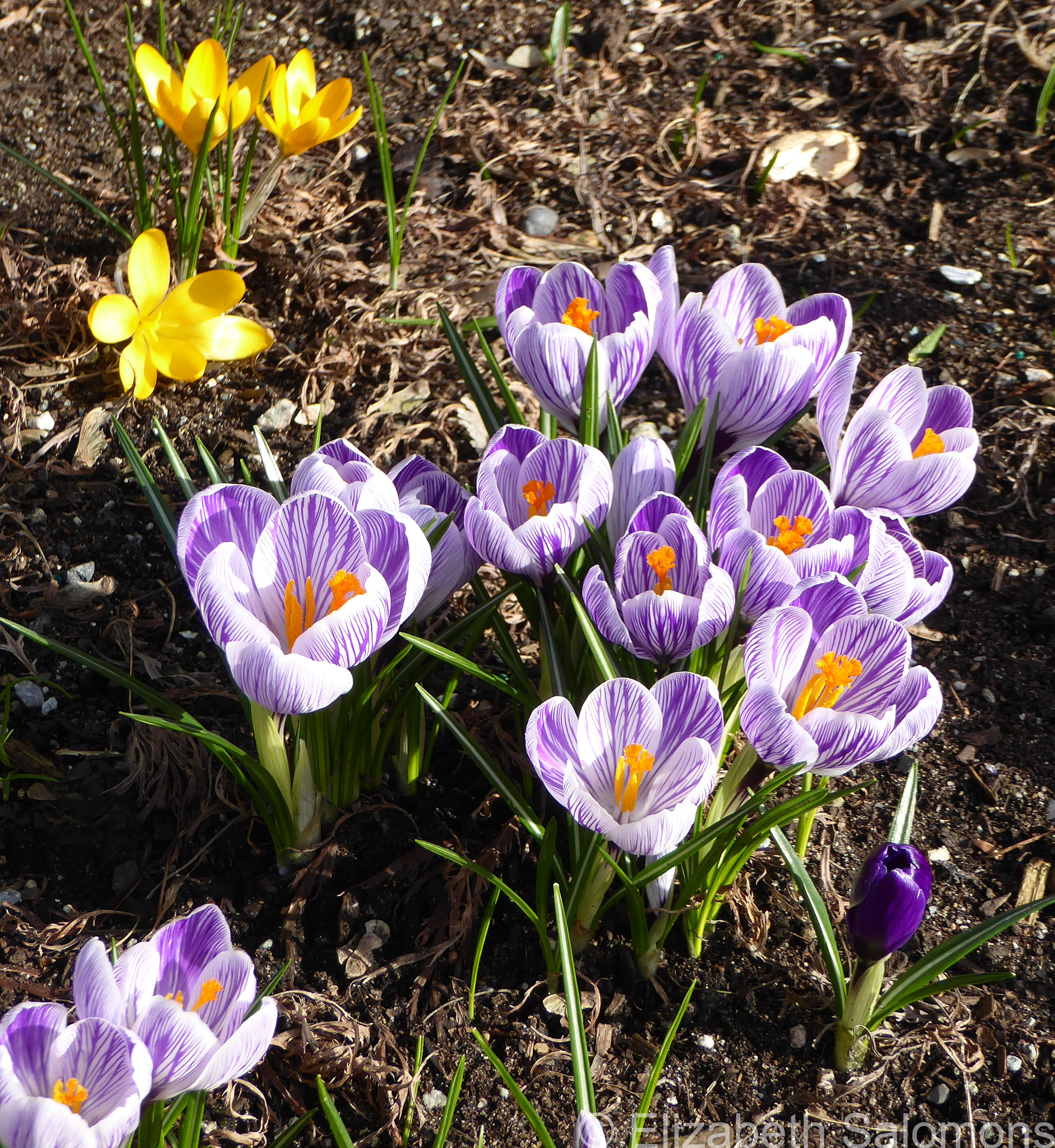
The photo above, taken in early February 2010, pretty much captures my feelings about Vancouver 2010. Several weeks before the Games started, the international media began arriving in droves. Next came the athletes and their coaches. And then, in the last week before the start of the Games, it was as if the flood gates had been opened and the tourists arrived en masse. They were everywhere.
Welcome world, indeed.
Through My Lens: Lost Lake Trail
Whoosh!
And there goes another month.
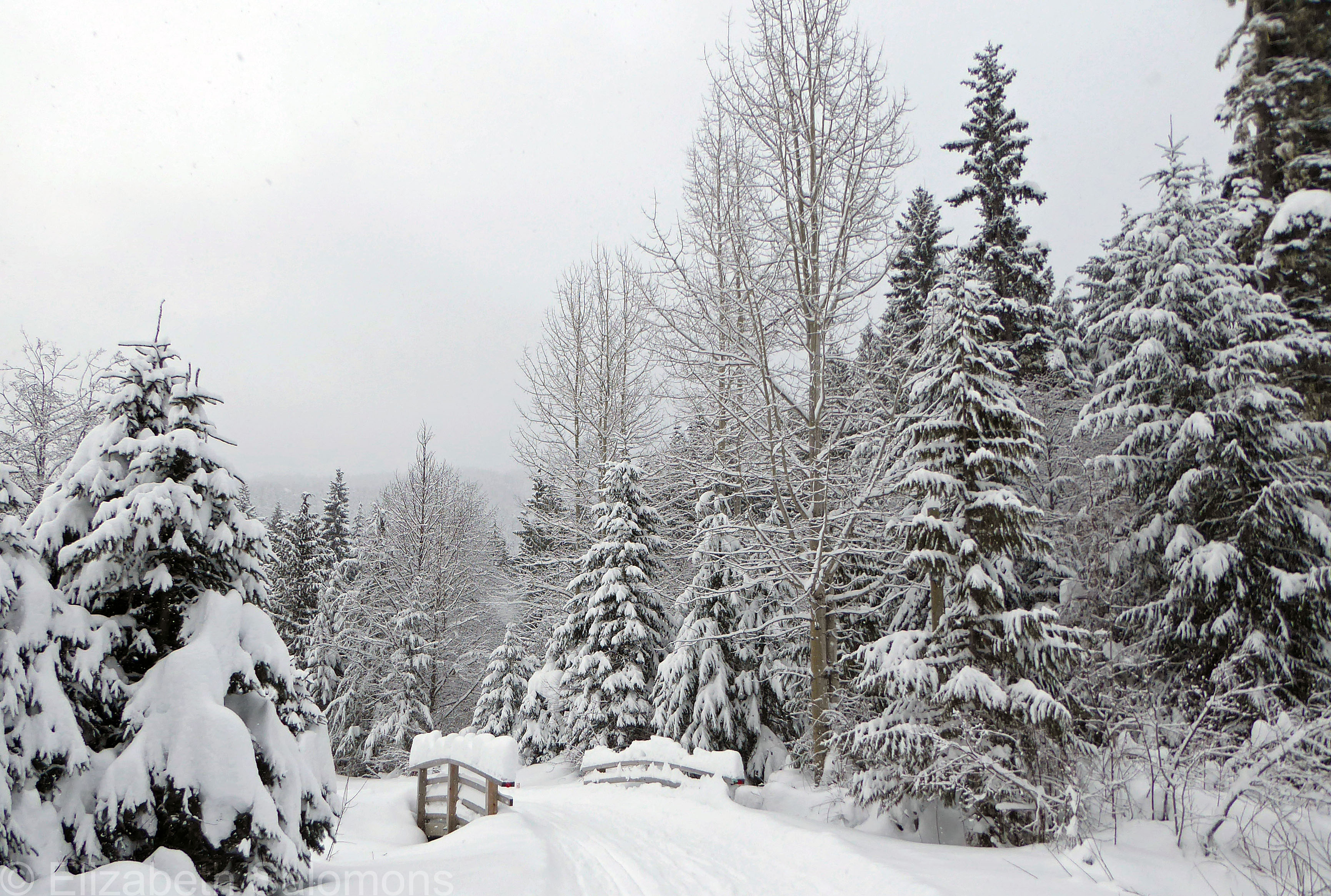
I took this photo on what turned out to be the highlight of my month: a weekend in Whistler. It snowed pretty much the entire time we were there, and my friend and I pretty much walked out our door with our snowshoes on and were upon this scene within minutes.
Magical.
Merry Christmas!
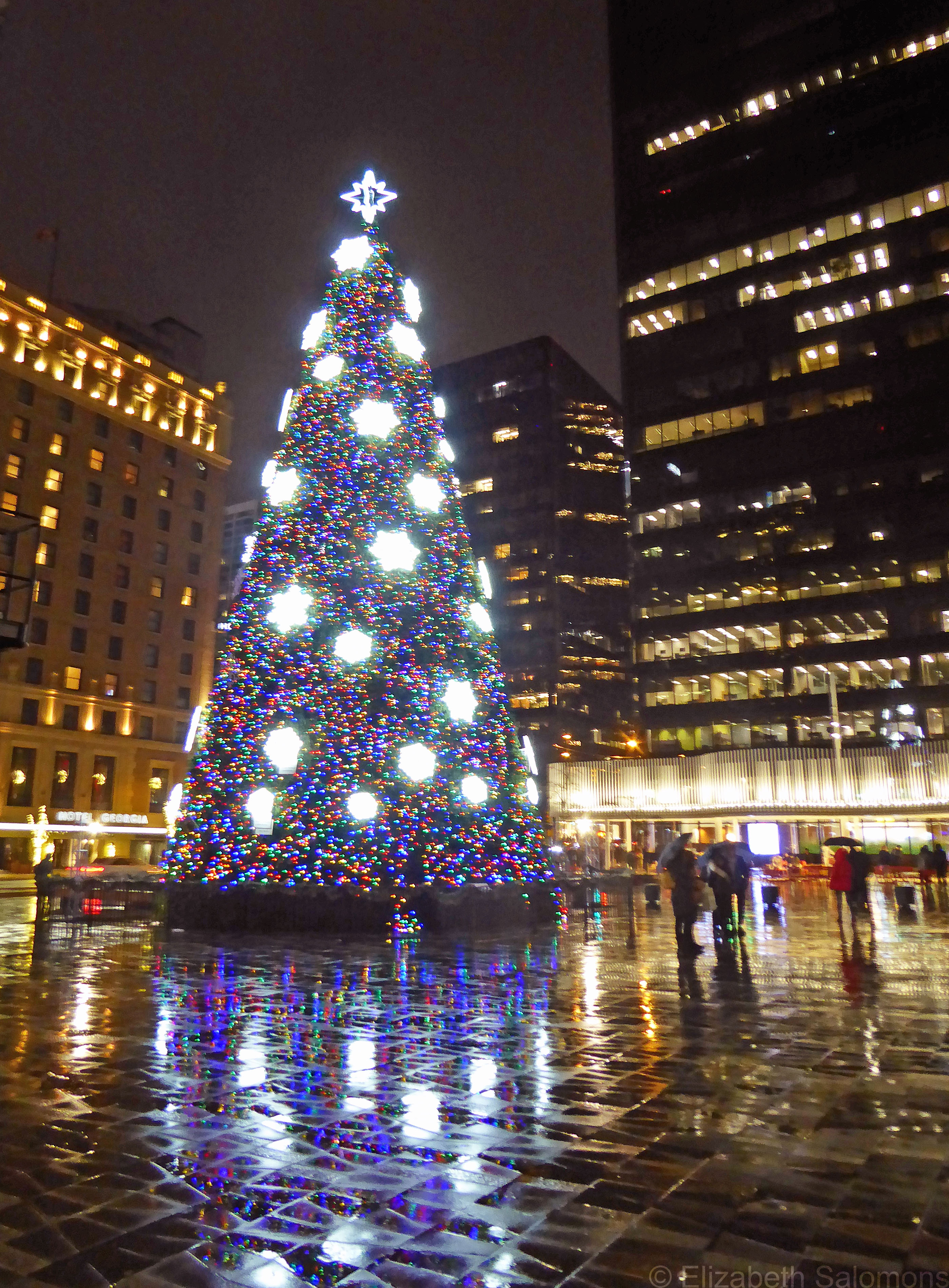
šxʷƛ̓ənəq Xwtl’e7énḵ Square, Vancouver


 There and Back Again