
Canada House

Here’s another Erickson design. This is Canada House, completed in 2009. It was built to house the Canadian athletes during the Vancouver 2010 Olympics, which ended 15 years ago today with another spectacular hockey win for Canada.
The condos have since been sold and an entirely new neighbourhood has sprung up on the south side of False Creek.
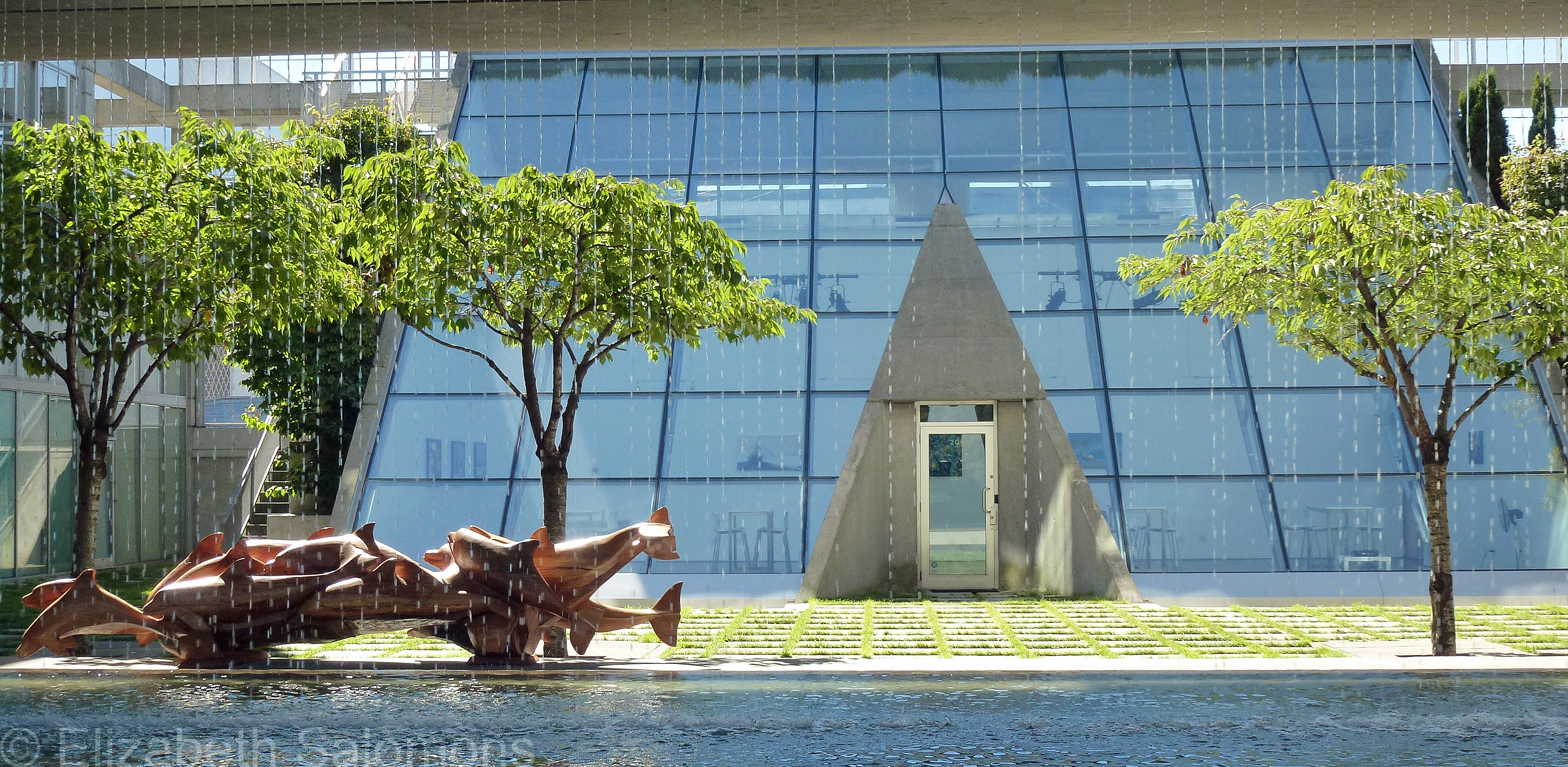
Waterfall Building

When I started researching the buildings designed by Arthur Erickson, I was surprised to learn that a concrete building I always walk past after seeing my hairdresser was one of his designs.

This is the Waterfall Building, named after the water feature that frames the entrance. Completed in 2001, it was intended as a live-work complex and is on a far smaller scale than the other Erickson buildings I have written about in this series.
Koerner Library

As someone who has worked with books most of her professional life, I appreciate a well-designed library. This is the Koerner Library at the University of British Columbia, designed by Arthur Erickson and completed in 1997. It is named after Walter C. Koerner, a forestry businessman and philanthropist long associated with the university.
Koerner Library is the largest of the 15 libraries at UBC’s Point Grey campus and home to the humanities and social sciences collections. What’s kind of neat, I think, is that it was built on top of the former Sedgewick Library, which was below ground level and used skylights to bring natural light into the stacks. That building is now the basement of the Koerner Library.

Robson Square

One could argue that the most iconic of Erickson designs in Vancouver is the Robson Square complex. Sprawled across three blocks in the centre of downtown, it is bookended by the Provincial Law Courts and the Vancouver Art Gallery.

Long before Erickson came on board, the plan was for a vertical building — the tallest in Vancouver. But the 1972 provincial election brought about a change in both government and architect. And when worries were expressed about the immense shadow that such a building would cast, the new architect, Arthur Erickson, declared, “Let’s turn it on its side.” His vision was for a public square that people could walk through, anchored by the law at one end and the arts at the other.
The Provincial Law Courts were completed in 1979.
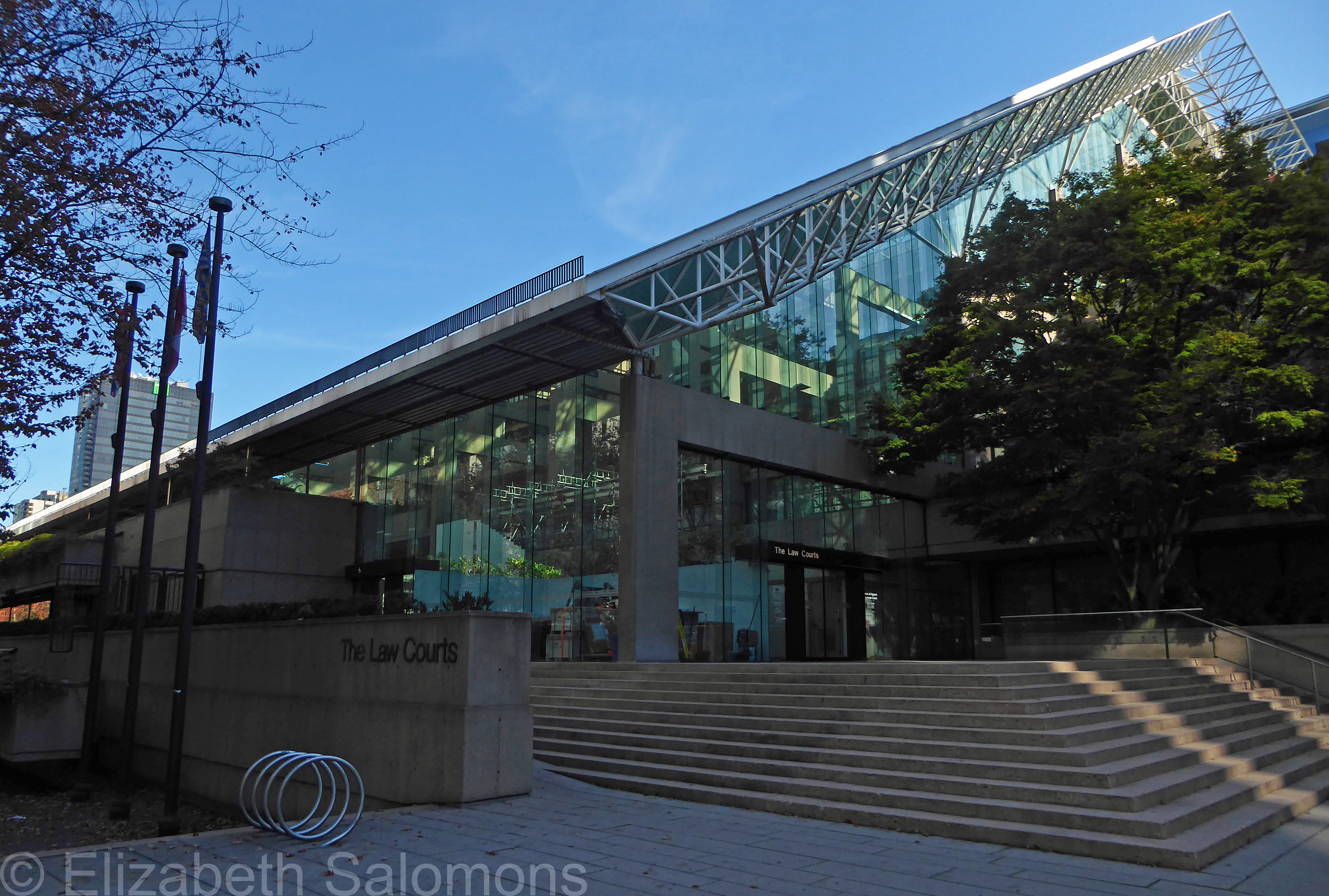
The renovation of the Vancouver Art Gallery, formerly the provincial courthouse, was completed in 1983.

The result is what Vancouver considers to be its main civic square. Curiously, though, our City Hall is located some three kilometres away. Why not downtown like most cities?
Good question, but that’s a topic for another post.
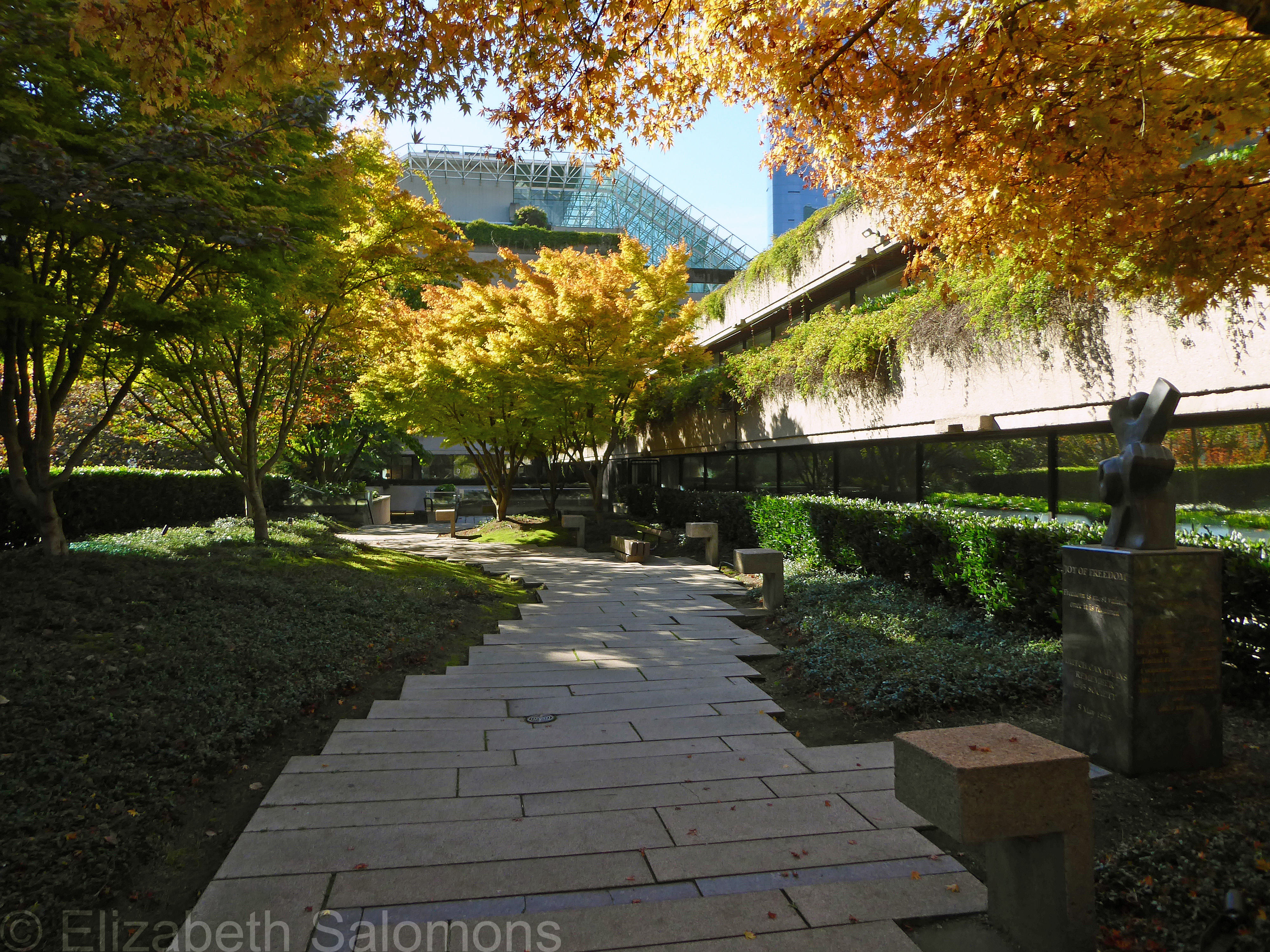
Cornelia Hahn Oberlander, the landscape architect who worked with Erickson on the Evergreen Building, designed the hanging gardens with its series of cascading waterfalls.
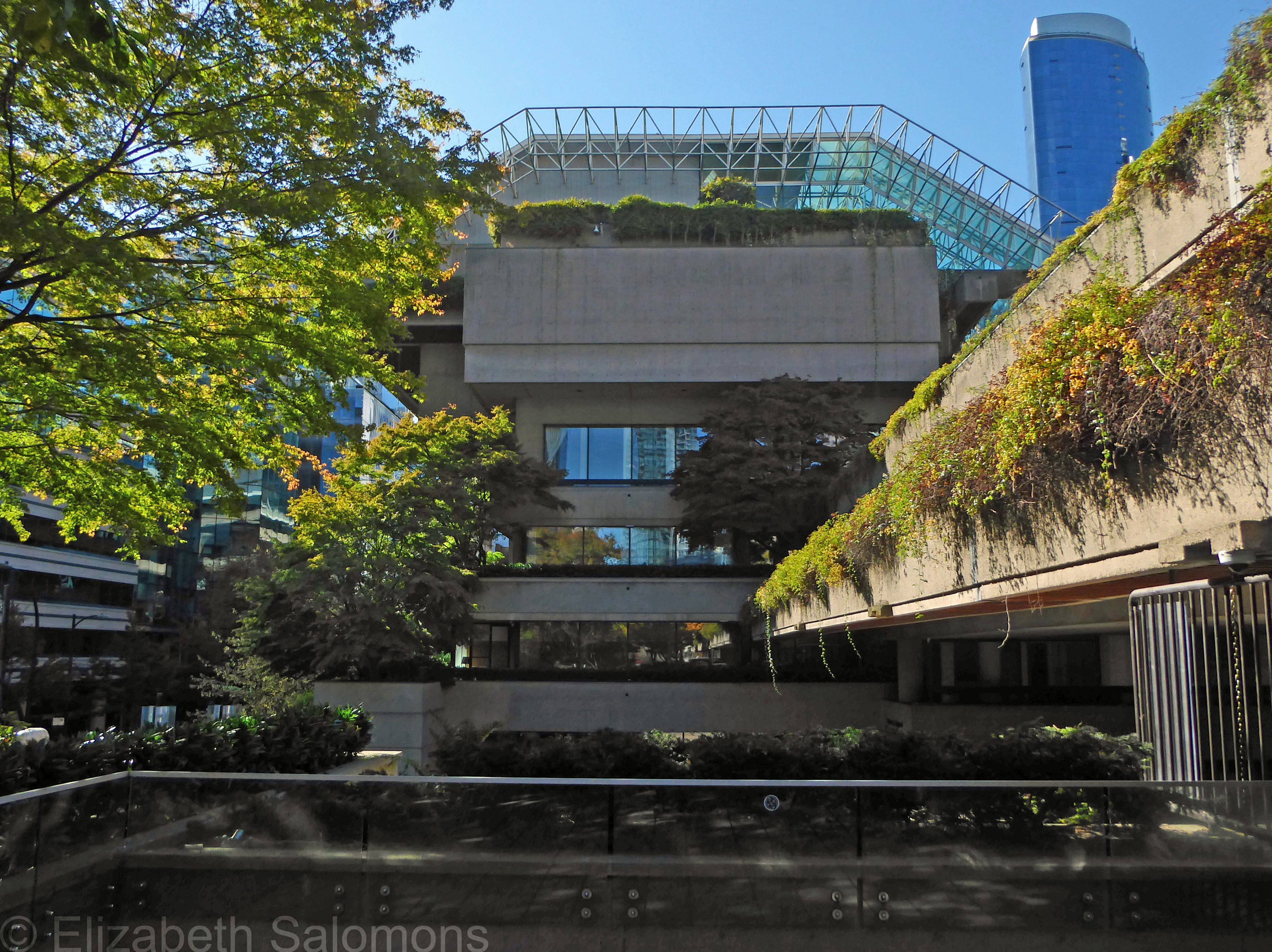
The law courts contain courtrooms, offices, and a law library. The entire complex is multi-level, with provincial government offices above ground and a sunken plaza with an ice rink below, offering free skating in the winter and salsa and ballroom dancing in the summer.

The buildings flanking the rink contain the classrooms and offices of the downtown campus of UBC.

Robson Square takes its name from downtown Vancouver’s main shopping street, which runs through the middle of the complex. That one-block stretch of Robson Street was first closed to vehicle traffic during the Vancouver Olympics, then every summer, and then permanently in 2017.
Robson Street is named after John Robson, a business man from Upper Canada who came west during the Fraser Canyon Gold Rush of 1859. He was a strong advocate for the Colony of British Columbia joining Confederation and eventually served as our ninth premier.

Dry January
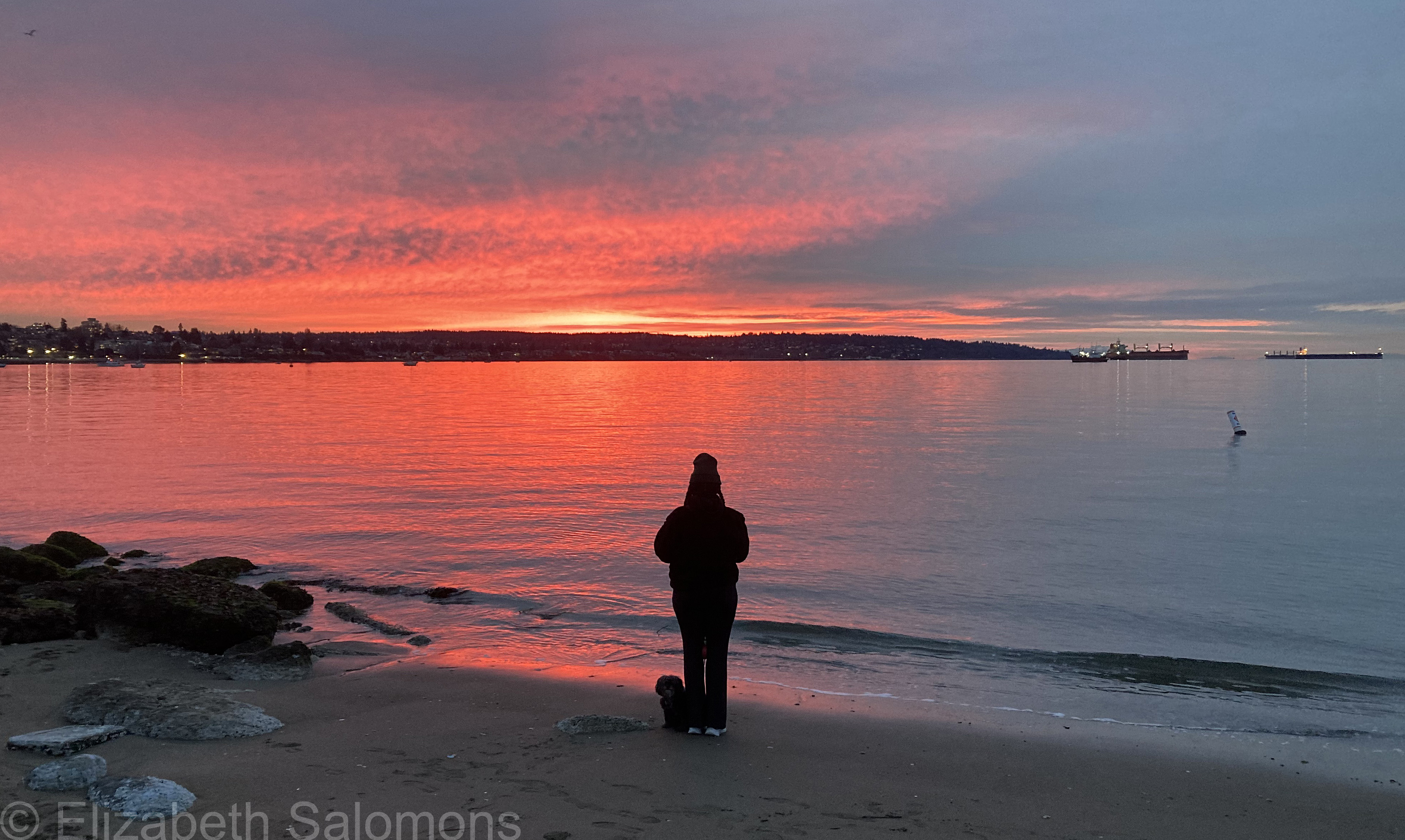
After a rather soggy December, we’ve enjoyed an unusually dry January. So dry that records were broken: this was our driest January in 40 years, and the third driest since 1897.
We’ve also had a steady streak of spectacular sunsets. There’s something about winter sunsets that creates magic.
Like this.
Evergreen Building

Yup. Still here, still working on my series on Arthur Erickson buildings that have shaped Vancouver.
This one is easy to walk past without realizing its significance. Located on a quiet intersection in Coal Harbour, the building’s recessed terraces are meant to emulate a mountainside. Erickson collaborated with landscape architect Cornelia Hahn Oberlander when designing the building.
Its unique footprint came about for a practical reason: it was the space available where the two streets meet at an obtuse angle, instead of the usual 90 degrees. It is categorized as an office building, but also has some corporate residential suites.
The Evergreen Building was completed in 1980.
Through My Lens: January Afternoon
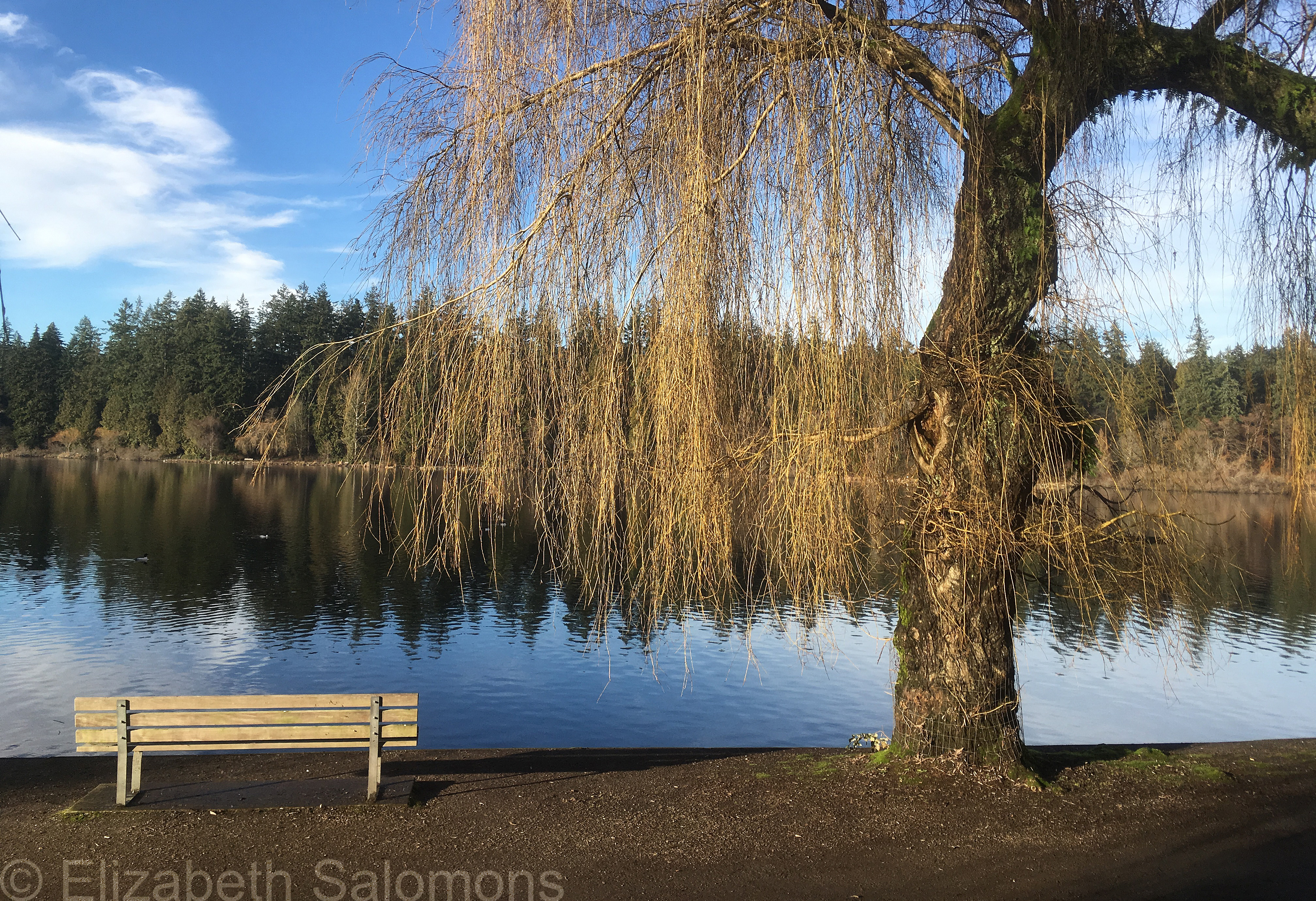
I was going through old photos and came across this one, taken on a sunny January afternoon some years ago. That’s Lost Lagoon in Stanley Park.
Merry Christmas!

English Bay, Vancouver
The End of the Eras Tour
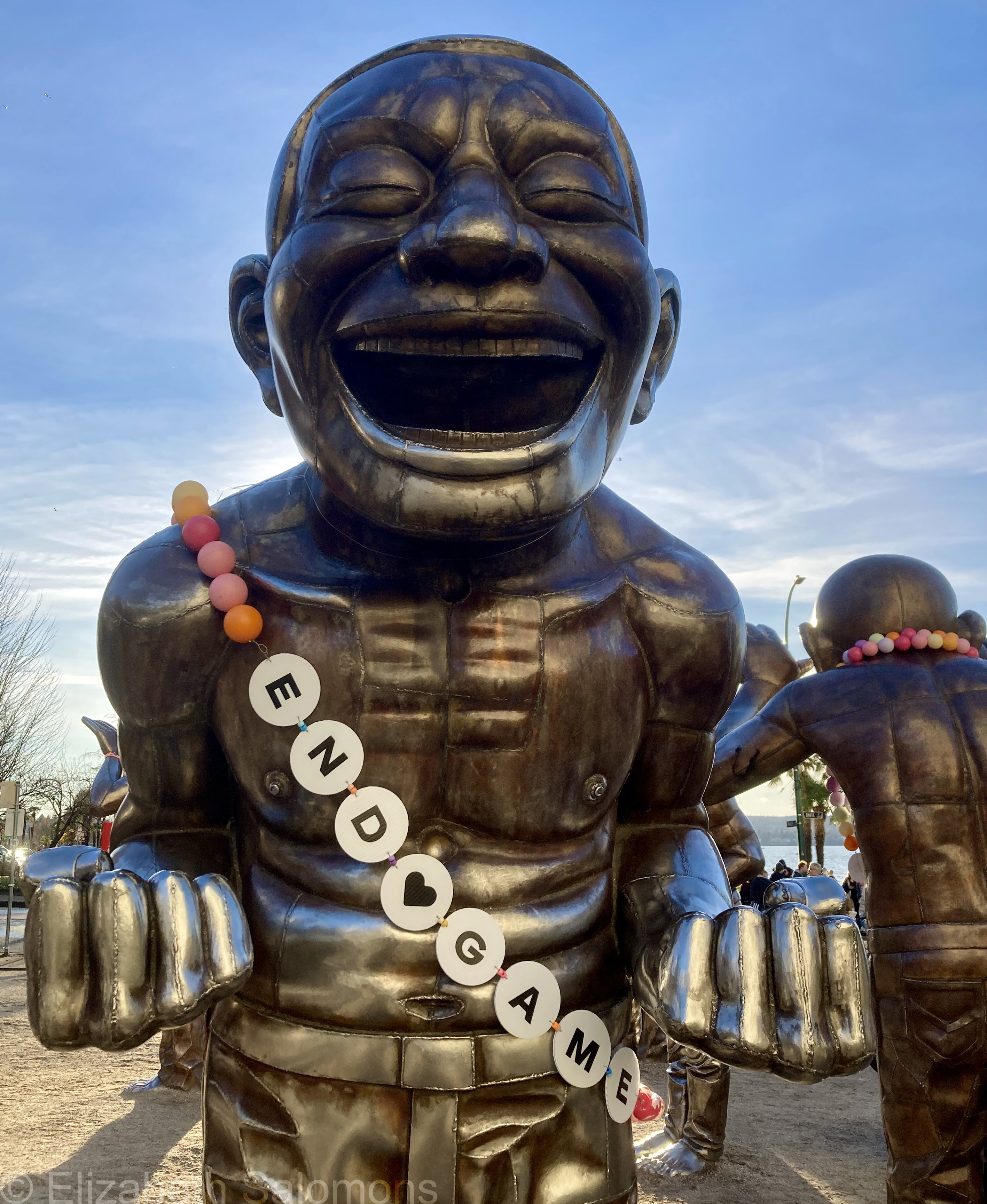
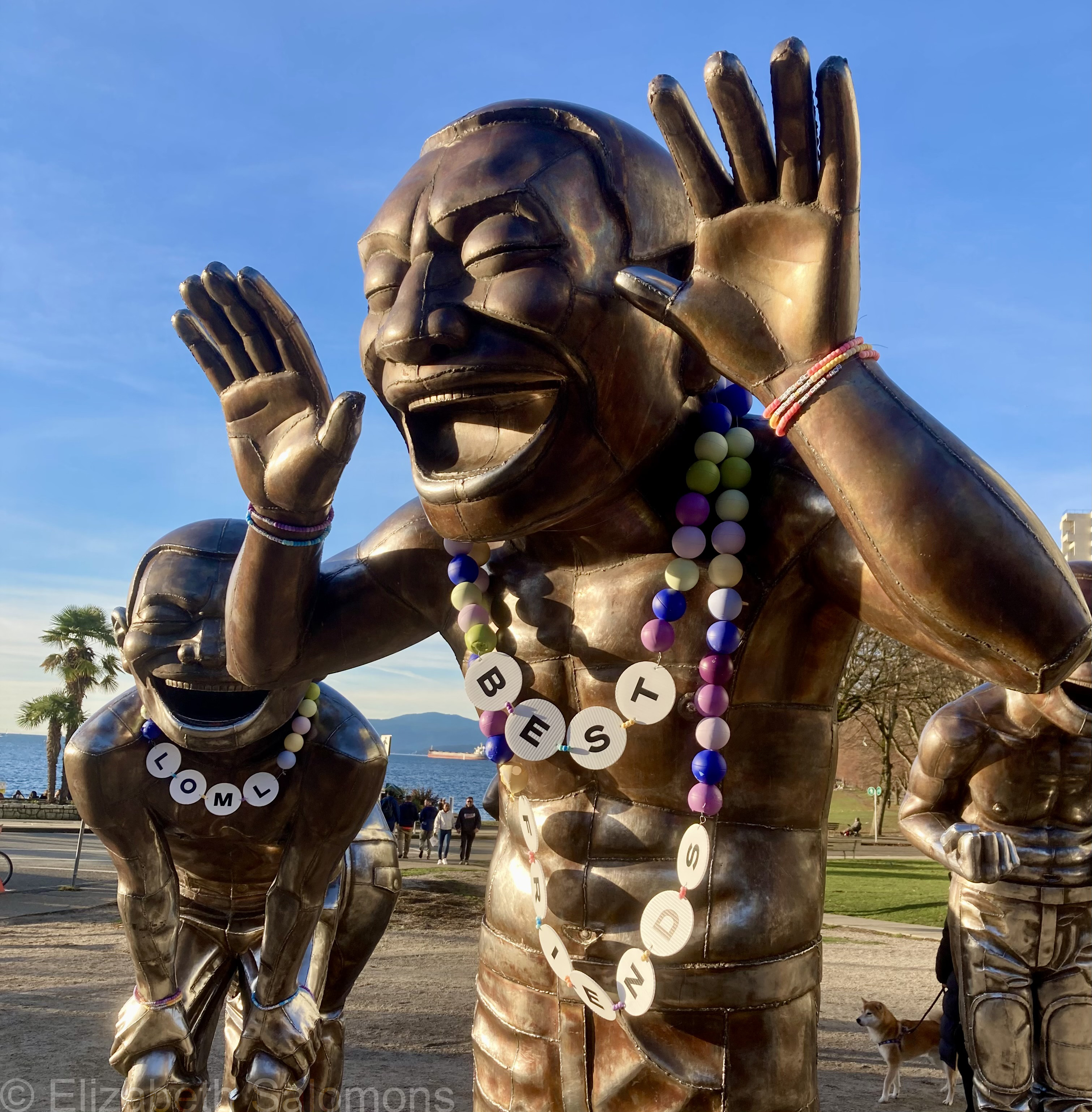
The hype is real, folks.
Honestly, I don’t think I have ever seen as much anticipation over a bunch of concerts. Yes, it’s Taylor Swift. Yes, she is a megastar. Yes, it’s the end of her tour. But this city has lost its mind.
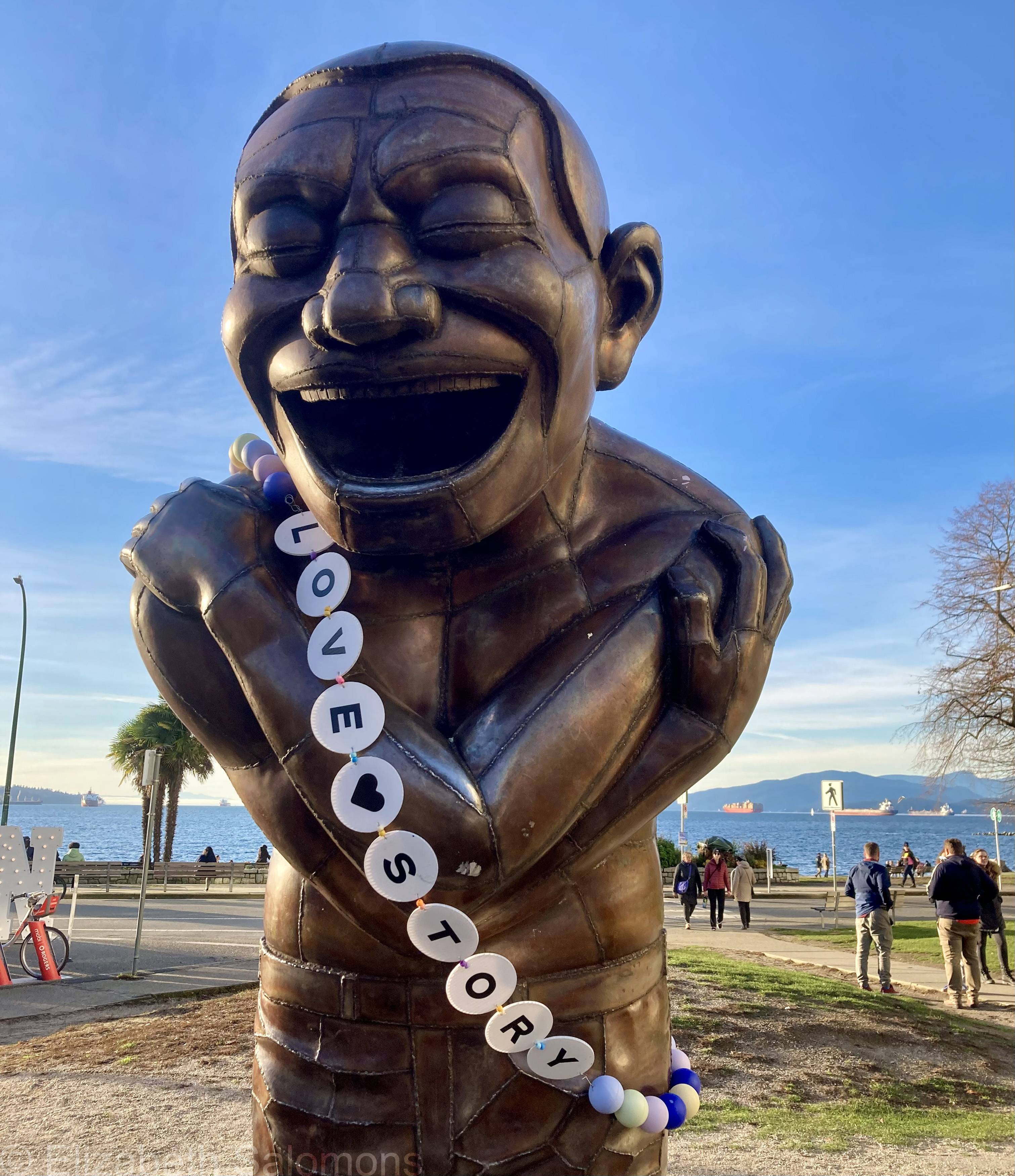
And I love it.
It’s been a long time since we all came together over a cultural event of this magnitude. It reminds me a lot of when we hosted the Olympics.
For weeks now, we’ve been warned about the upcoming traffic chaos. Three concert nights, two Canucks’ home games, and, oh yeah, Cirque du Soleil is in town. These venues are all within spitting distance of each.
But hey, we’re among friends, right? It should all be fine.
Where the Streets Have Names
Here we are, finally. Last month of the year, last post on Hawaii.
One thing you notice as soon as you start moving around Oahu are the unique street names. Unique to English speakers, that is. For the most part, they are all in Hawaiian. I absolutely love it.
There are plenty of places in Canada with Indigenous names. Kitsilano is a Vancouver neighbourhood that takes its name from the Squamish Chief Jack Khatsahlano. Chilliwack, Kamloops, and Saanich are BC cities with names that have Indigenous origins. And Canada is from the Haudenosaunee word “kanata,” which means village.
And yet … Vancouver streets are predominately named for dead white guys. True fact: there are more streets in Vancouver named after golf courses than women or people of colour combined. My own street is the anglicized name of a chief of the Okanagan people, something I found out only while researching this post. Wouldn’t it be much more interesting if the nsyilxcən spelling was used instead of English?
In Canada, land acknowledgements before public events are routinely recited to recognize those who have lived here since time immemorial. Here’s the one I use on my work email signature:
I acknowledge that I am privileged to live and work on the unceded traditional territories of the Coast Salish Nations, including the xwməθkwəy̓əm (Musqueam), Skwxwú7mesh (Squamish), and səl̓ilwətaɁɬ (Tsleil-Waututh) Nations.
Land acknowledgements are all well and good, but maybe it is far past time that we begin replacing the names of some of the many, many streets currently named after insignificant European men with Indigenous names. The Hawaiians have done it. Why can’t we?
Just a thought.


