
Through My Lens: Ruckle Park Sunrise

I was hoping for a weekend of sunrises like this one at Ruckle Park on Salt Spring Island. Alas, our planned weekend of camping by the sea had to be cancelled when one of our party came down with Covid. Five years on, it’s still safety first.
And I, for one, am OK with that.
Ruckle Park
When I first visited Ruckle Park on Salt Spring Island, I made a promise to myself that one day I would return with my camping gear and spend some time here.
Who knew it would take several decades for me to fulfill that promise?
Located on the southeast tip of Salt Spring Island, Ruckle Park is one of the largest parks in the Gulf Islands. Its seven kilometres of shoreline give you oodles of tidal pools to explore at low tide, but there are also numerous walking trails throughout the coastal forest.
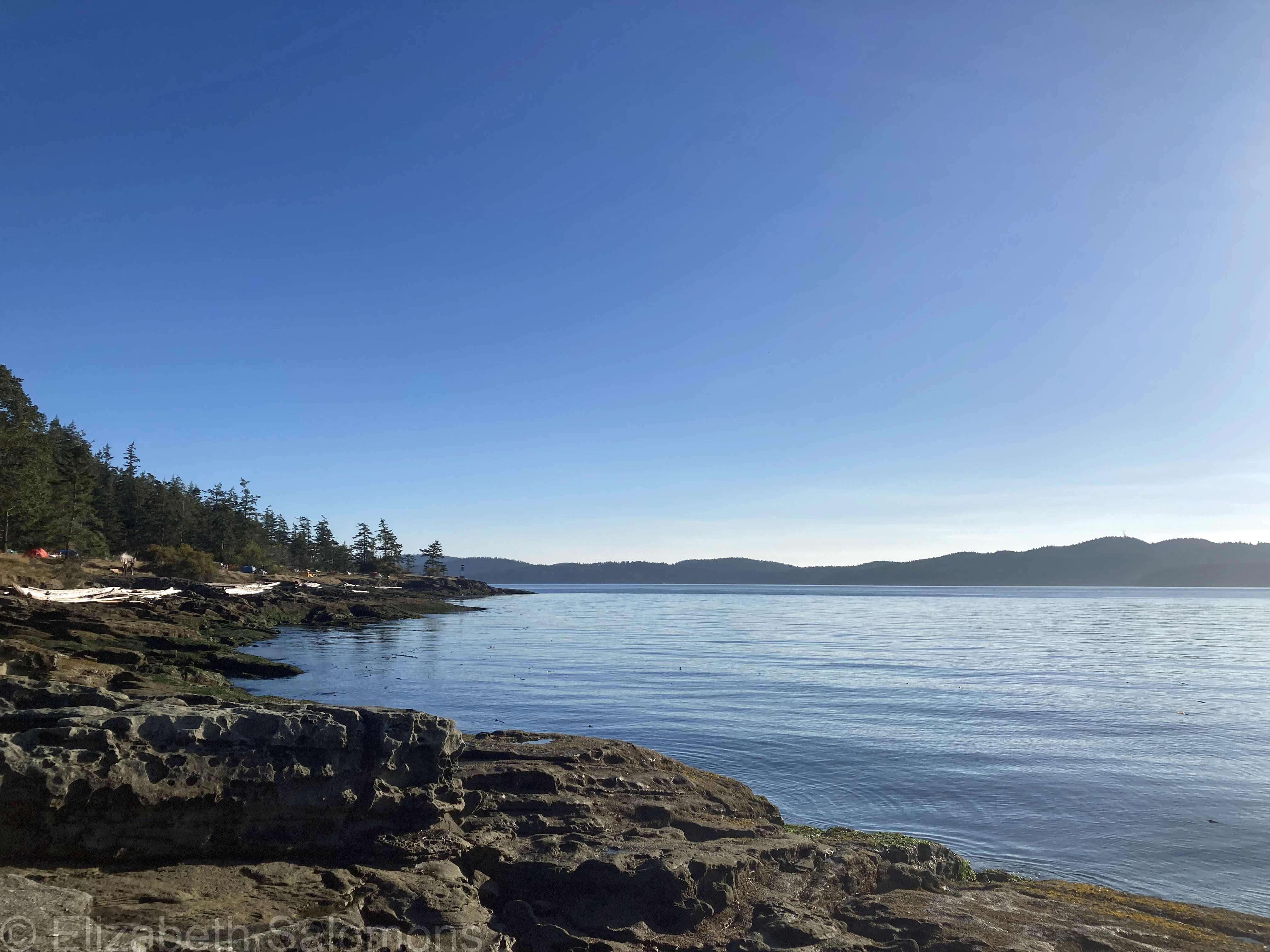
Most of the campsites are walk-in (first come, first served), but the bonus of that is you get to pitch your tent right by the water.
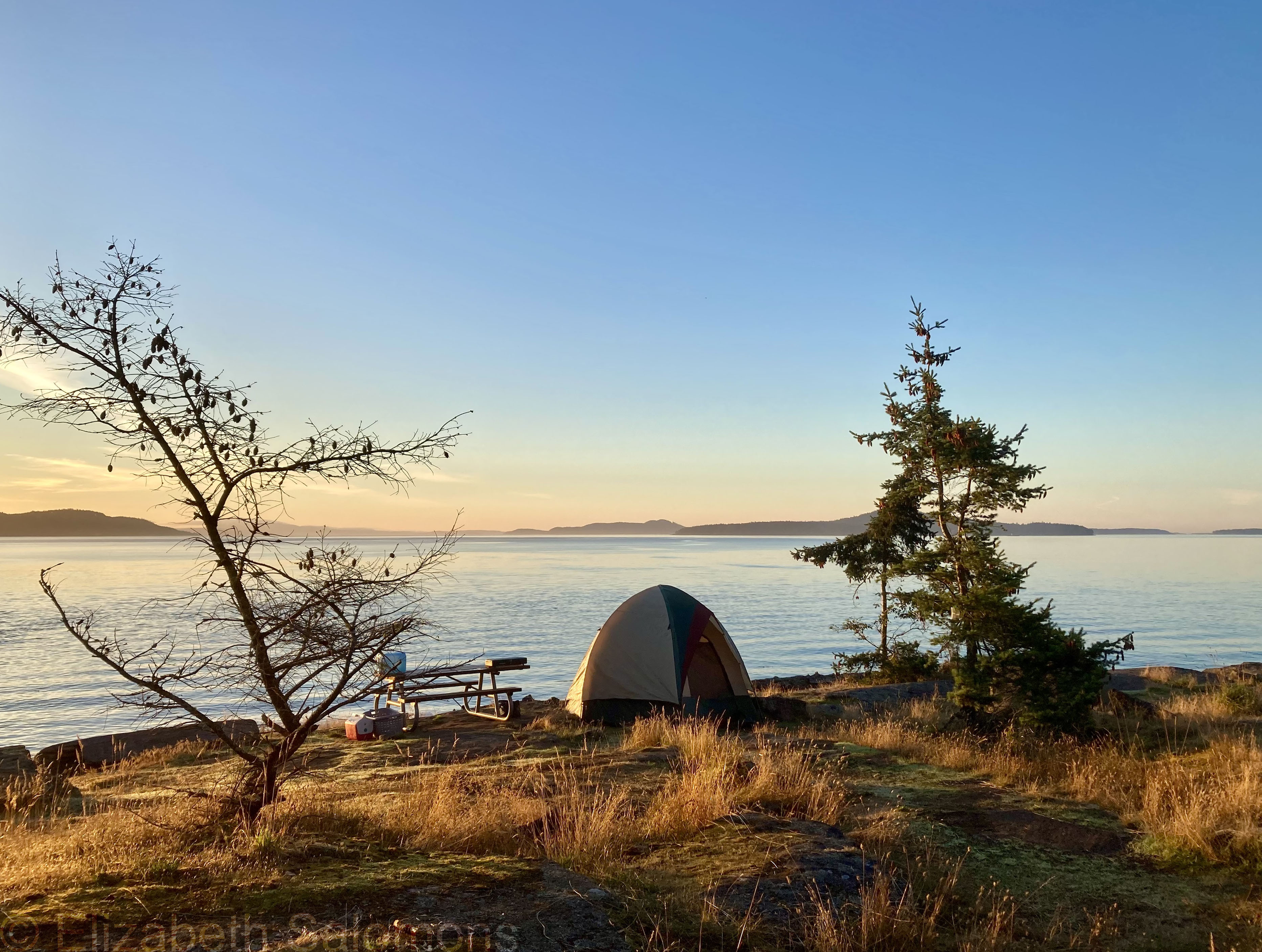
The sunrises? They are spectacular.

Once the sun is up, the morning’s entertainment starts with a round of musical campsites. Campers who spent the previous night in the overflow area come around to ask when those of us camped beside the water are intending to leave. The morning we left, there were four separate parties interested in our spot. The mornings we weren’t going anywhere, we got to watch people move gear and tents from one site to another, and then watch someone else move into the just-vacated spot.
The summer’s campfire ban was lifted the afternoon we arrived (talk about timing!) and the communal firepit makes it easy to get to know your neighbours.
Ruckle Park also has a working heritage farm.

My three days of camping at Ruckle last week with my brother and his kids was the absolute perfect way to finish off my BC summer. And I made another promise to myself: it won’t be several decades again before I return.
I’m already making plans to return next summer.
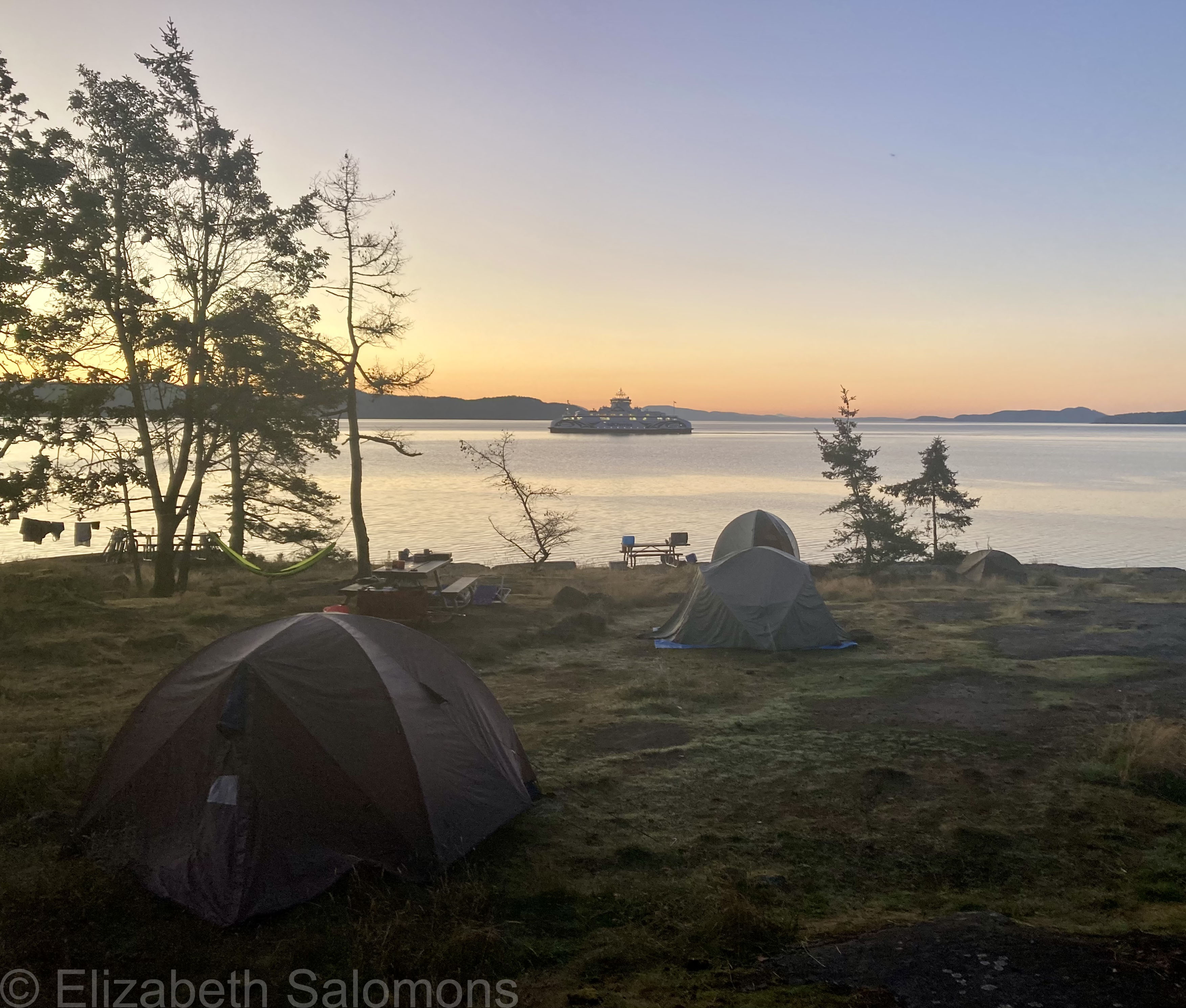
Salish Heron
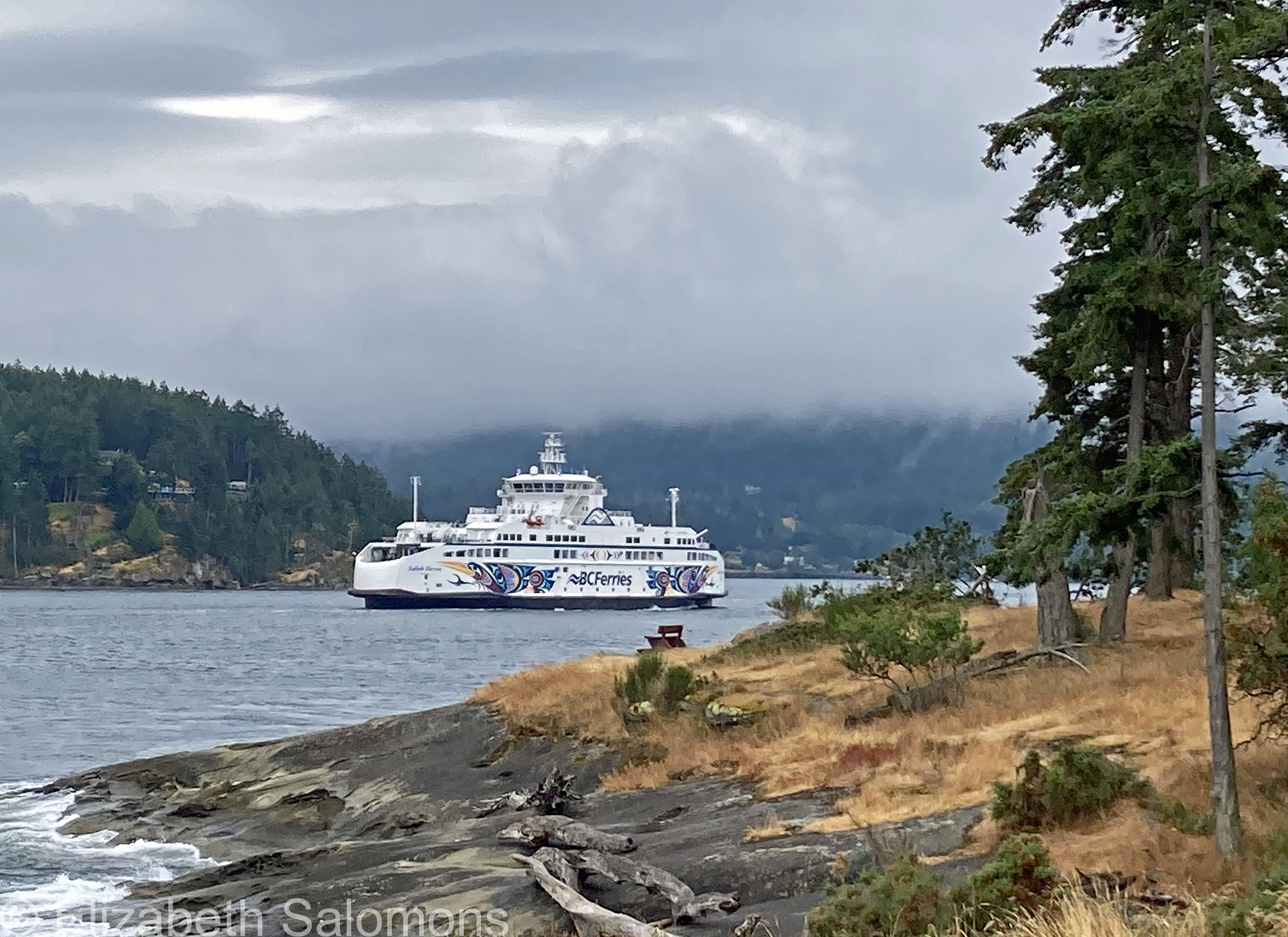
Time for my obligatory summer post about touring the Salish Sea on a BC ferry. I took this photo last month from the southern tip of Galiano Island. That’s the Salish Heron entering Active Pass.
Like the other Salish-Class vessels, the ferry is covered in original Coast Salish artwork inside and out. Penelakut First Nation artist Maynard Johnny Jr. was the artist for the Salish Heron.
Salish Eagle

My latest BC Ferry ride — and my third of the summer — was on this boat, the Salish Eagle, which took me to and from Galiano Island just over a month ago.
Three of these Salish-Class vessels came into service in 2017 and a fourth one last year. Built in Gdańsk, Poland, they are the first ships in BC Ferries’ fleet to run on liquefied natural gas, thereby reducing their emissions. Compact compared to the bigger boats that sail between Vancouver and Vancouver Island, the Salish-Class vessels go to and from the Southern Gulf Islands and between the Sunshine Coast and Vancouver Island. They carry up to 600 passengers and crew and 138 cars, and I absolutely love sailing on them.
Each Salish-Class vessel has original Coast Salish artwork adorning its interiors and exteriors. John Marston of the Stz’uminus First Nation is the one who designed the artwork you see on the Salish Eagle.
Supply Chain Issues
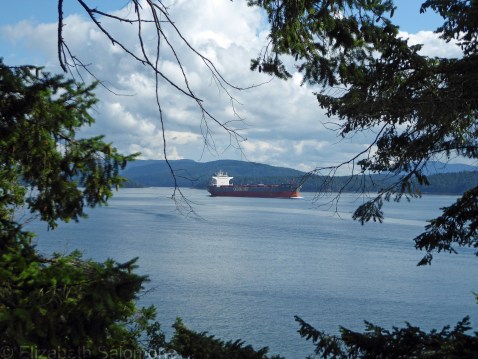
Supply chain issues seem to be a fact of life these days. Whether it was the lack of flour and eggs in our grocery stores back in March 2020, the recent shortage of infant formula in the United States, or (my latest issue) having to wait up to two months for a backorder of my preferred brand of cat food — all these things make us stop and think, “Wait a minute. What’s going on here?”
I learned on my last visit to Galiano Island that freighters like to park themselves just off the northern tip of the island while waiting for an empty berth at the Port of Vancouver. English Bay always has a number of waiting freighters as well, but when the bay is full, those ships have to look elsewhere for a place to anchor and wait. Vancouver is Canada’s largest and busiest port, with 3000 ships arriving every year. That’s a lot of ships and an awful lot of waiting time.
But while on Galiano again last weekend, I was surprised to learn that often these ships are waiting for what seems like an awfully long time. The container ship in this next photo? It was sitting off the north end of the island for three weeks.
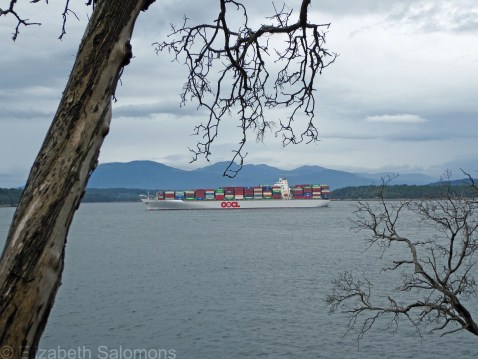
I can’t see any way that a three-week delay to offload a fully loaded container ship from Asia doesn’t add to our supply chain problems. Not to mention the cost of goods.
Or the seafarers stuck on board. Waiting.
Through My Lens: Galiano Evening
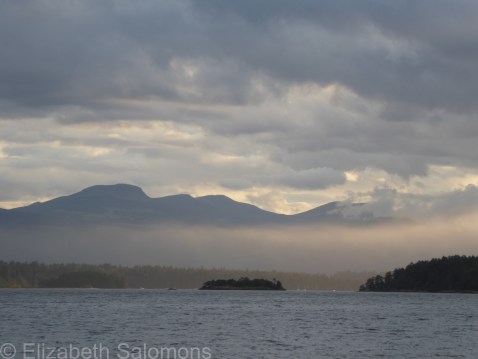
The best thing about living on the West Coast? You never tire of the view. I took this photo last weekend while on a Galiano Island mini-break.

Through My Lens: Highland Cows at Ruckle Farm

Another island I hopped to this summer was Salt Spring Island. I go here often, thanks to the hospitality of one of my dearest friends.
These Highland cows are at Ruckle Farm on Salt Spring’s South End. Salt Spring has a long agricultural history and Ruckle Farm — founded in 1872 — is one of the oldest farms in the province. It is still being farmed by the Ruckle family.
Fun fact: Highland cows are a Scottish breed of cattle and my friend who lives on Salt Spring Island is a proud Scottish-Canadian.
Just though I’d mention that.
One more note: The haze in this photo is due to the smoke from BC’s wildfires, which blanketed the southern coast of the province the weekend I was on Salt Spring Island.
Through My Lens: Galiano Island Sailboat

I did a bunch of island hopping this summer — one of the perks of living on BC’s West Coast. My first stop was Galiano Island. I took this obligatory sailboat photo at that island’s Montague Harbour.
Hairy Woodpecker
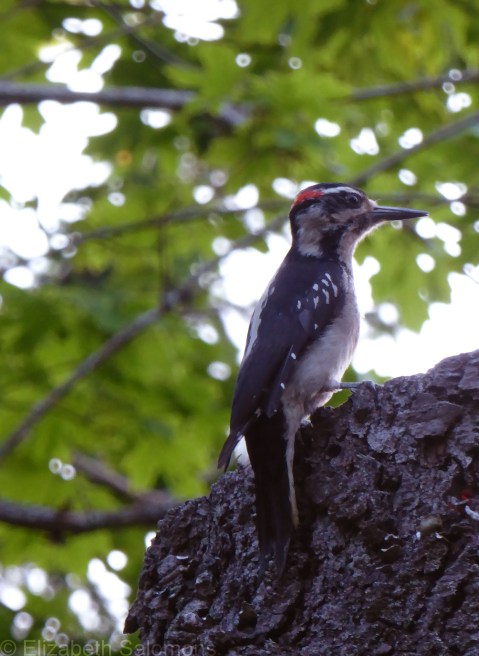
I was on Salt Spring Island again this past weekend, and I met a new friend.
This is a Hairy Woodpecker. He’s not that big, but he sure makes a lot of noise for his size. He was busy making himself heard on the wildlife tree in my friend’s front yard, so I walked over to introduce myself.
And to take this photo.


 There and Back Again