
Through My Lens: January Afternoon
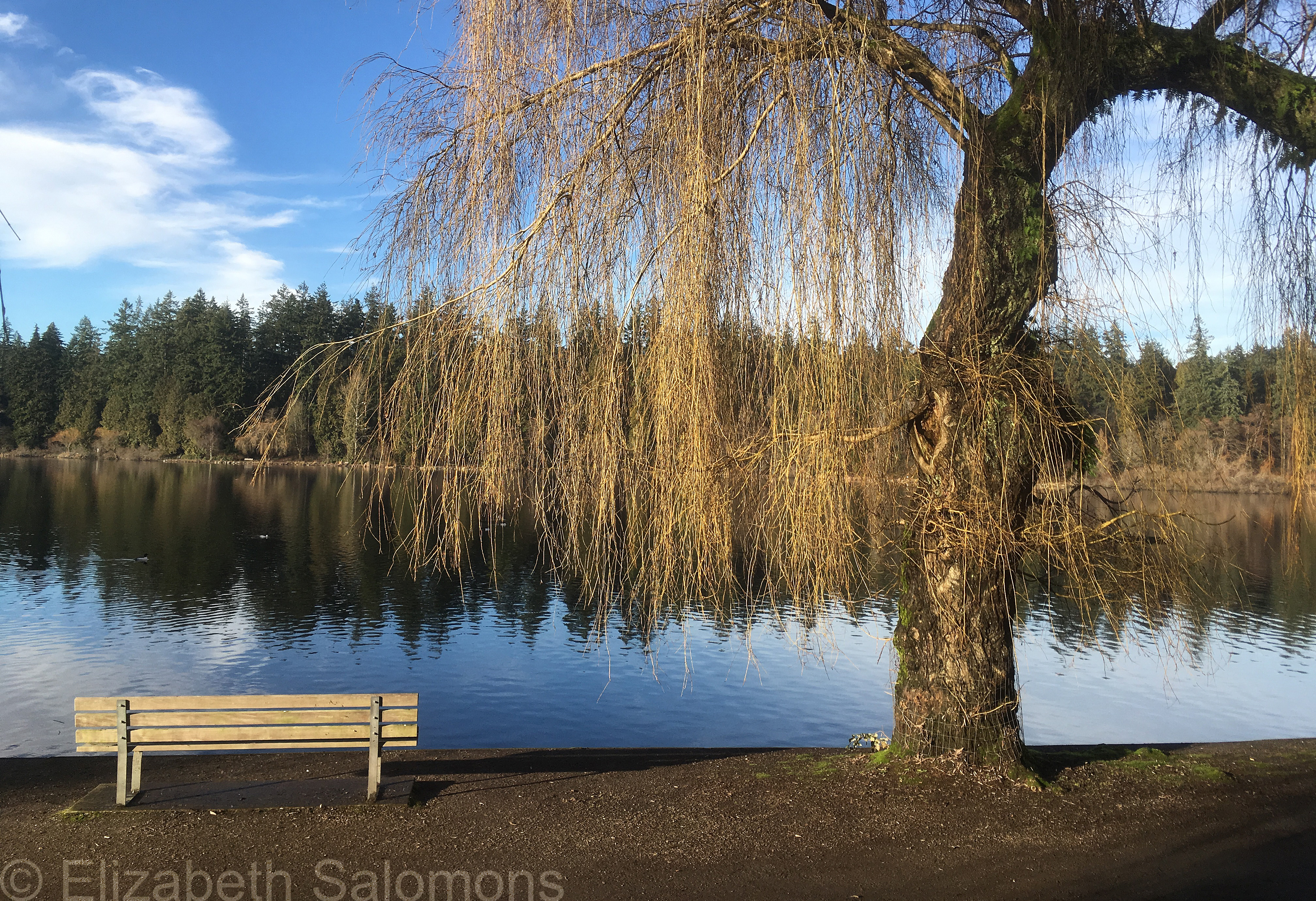
I was going through old photos and came across this one, taken on a sunny January afternoon some years ago. That’s Lost Lagoon in Stanley Park.
Merry Christmas!

English Bay, Vancouver
The End of the Eras Tour
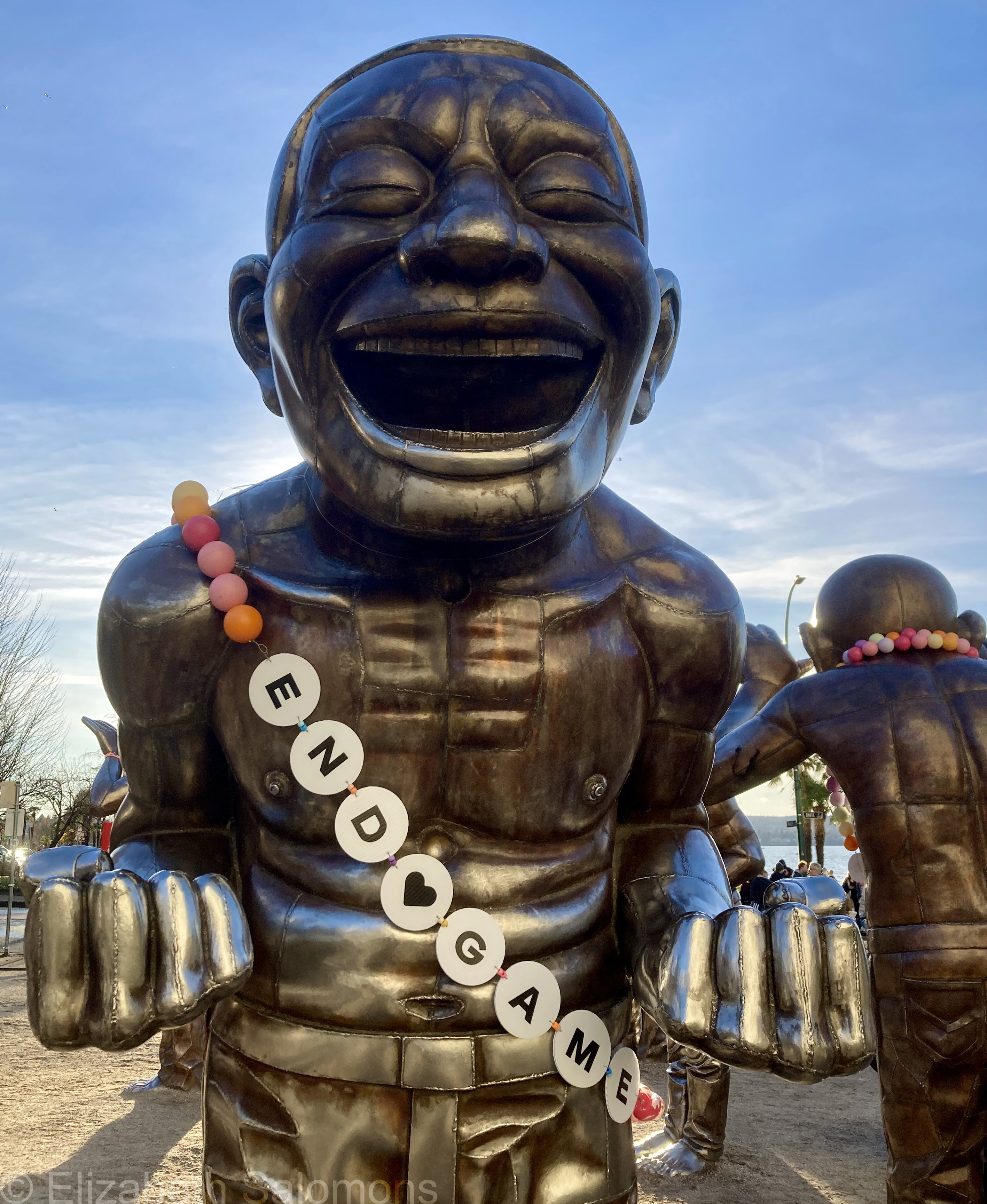
The hype is real, folks.
Honestly, I don’t think I have ever seen as much anticipation over a bunch of concerts. Yes, it’s Taylor Swift. Yes, she is a megastar. Yes, it’s the end of her tour. But this city has lost its mind.
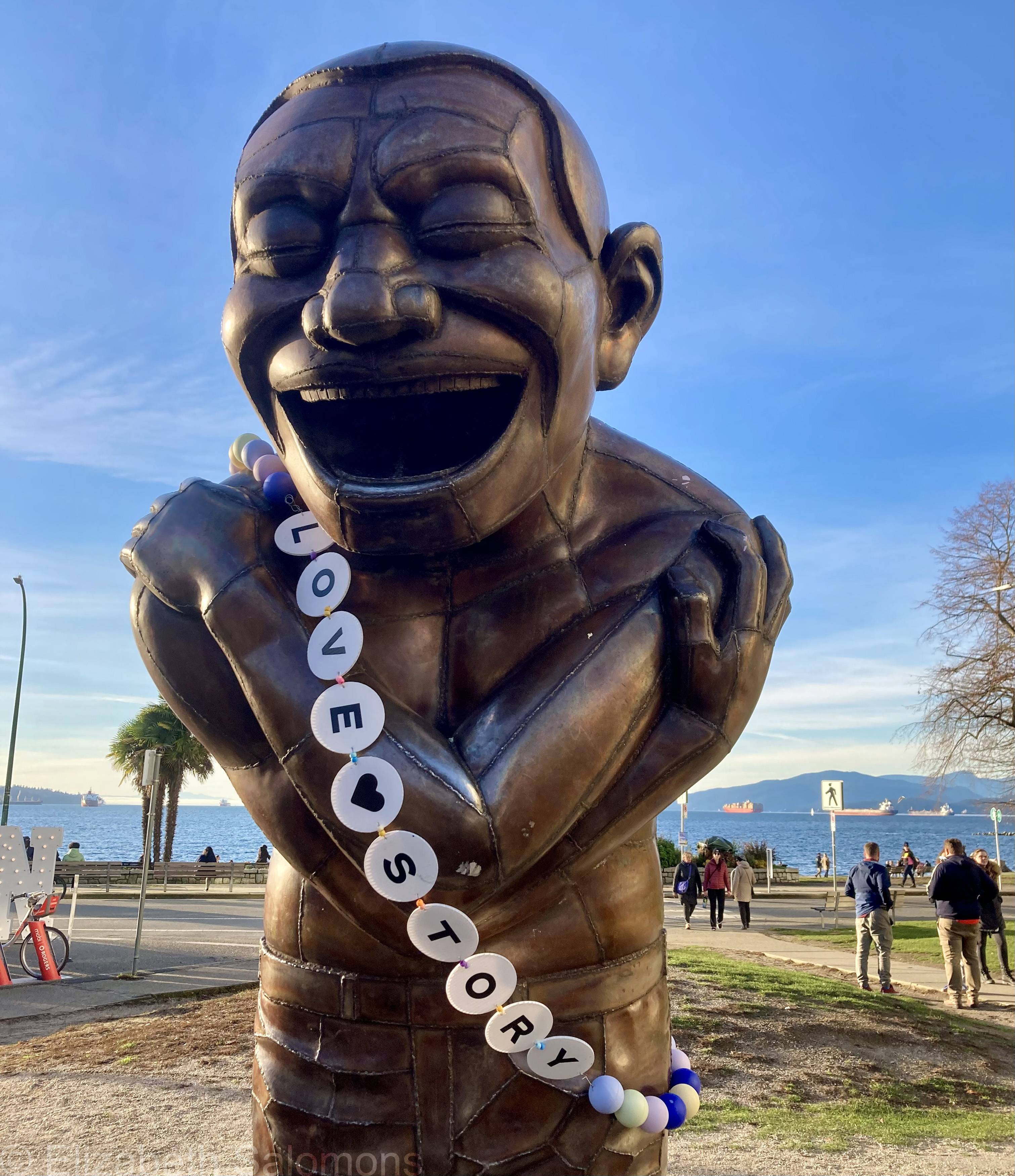
And I love it.
It’s been a long time since we all came together over a cultural event of this magnitude. It reminds me a lot of when we hosted the Olympics.
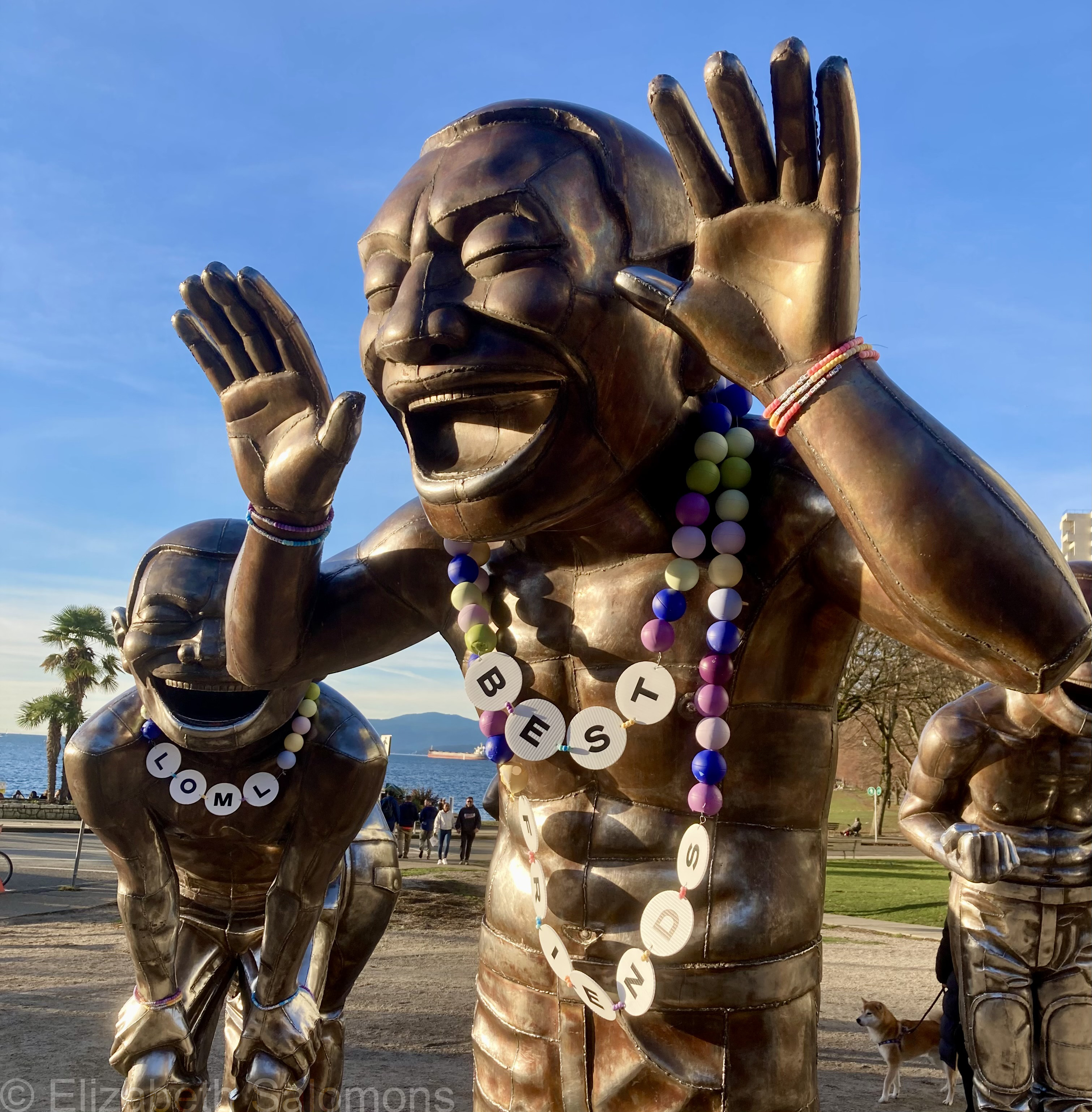
For weeks now, we’ve been warned about the upcoming traffic chaos. Three concert nights, two Canucks’ home games, and, oh yeah, Cirque du Soleil is in town. These venues are all within spitting distance of each.
But hey, we’re among friends, right? It should all be fine.
Where the Streets Have Names
Here we are, finally. Last month of the year, last post on Hawaii.
One thing you notice as soon as you start moving around Oahu are the unique street names. Unique to English speakers, that is. For the most part, they are all in Hawaiian. I absolutely love it.
There are plenty of places in Canada with Indigenous names. Kitsilano is a Vancouver neighbourhood that takes its name from the Squamish Chief Jack Khatsahlano. Chilliwack, Kamloops, and Saanich are BC cities with names that have Indigenous origins. And Canada is from the Haudenosaunee word “kanata,” which means village.
And yet … Vancouver streets are predominately named for dead white guys. True fact: there are more streets in Vancouver named after golf courses than women or people of colour combined. My own street is the anglicized name of a chief of the Okanagan people, something I found out only while researching this post. Wouldn’t it be much more interesting if the nsyilxcən spelling was used instead of English?
In Canada, land acknowledgements before public events are routinely recited to recognize those who have lived here since time immemorial. Here’s the one I use on my work email signature:
I acknowledge that I am privileged to live and work on the unceded traditional territories of the Coast Salish Nations, including the xwməθkwəy̓əm (Musqueam), Skwxwú7mesh (Squamish), and səl̓ilwətaɁɬ (Tsleil-Waututh) Nations.
Land acknowledgements are all well and good, but maybe it is far past time that we begin replacing the names of some of the many, many streets currently named after insignificant European men with Indigenous names. The Hawaiians have done it. Why can’t we?
Just a thought.

Museum of Anthropology

One of Arthur Erickson’s most iconic buildings, completed in 1976, is the Museum of Anthropology at the University of British Columbia. It sits on traditional and unceded territory of the Musqueam people, at the tip of Point Grey, facing the Salish Sea.
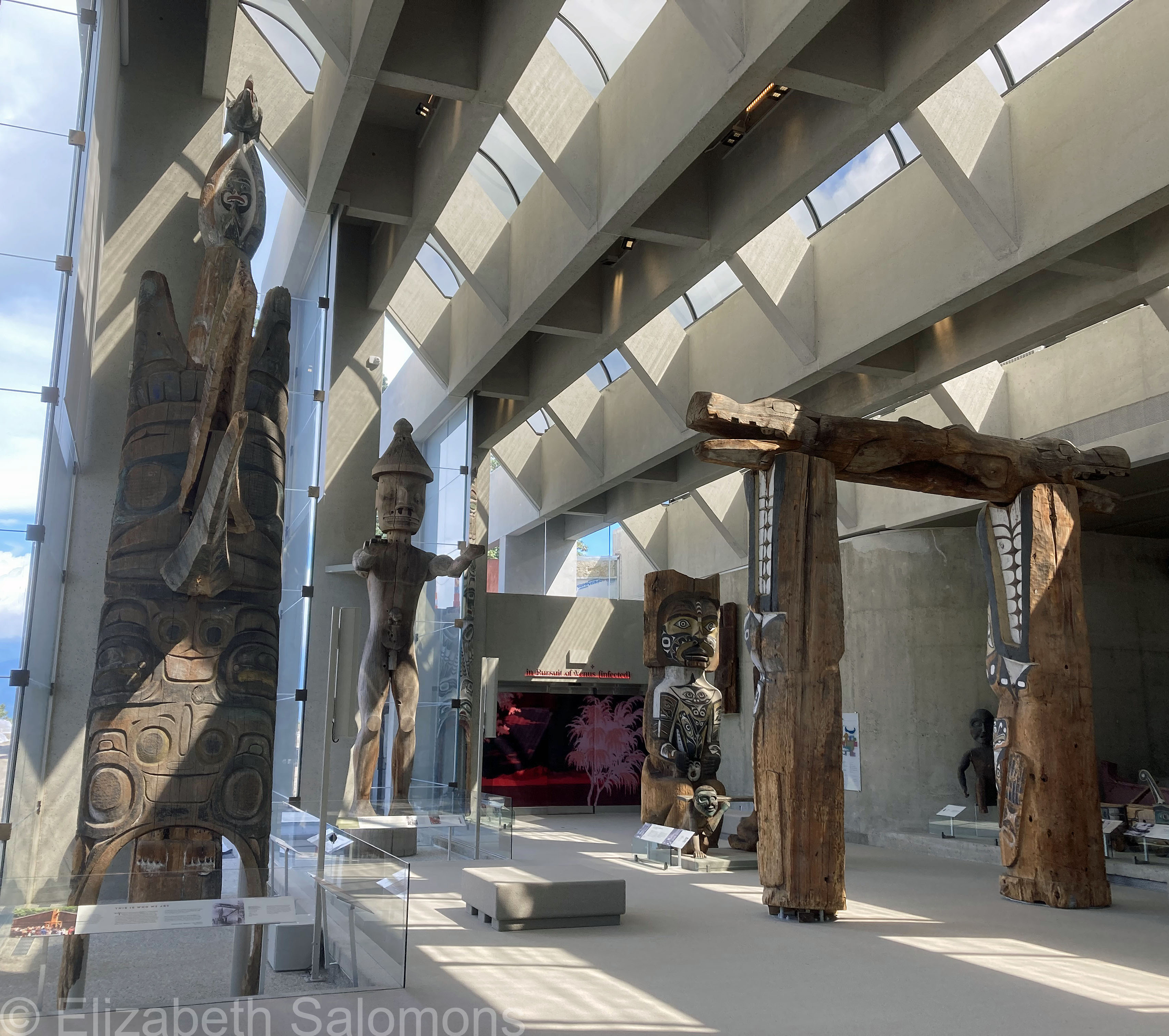
I’m told that the post-and-beam construction was inspired by the architecture of the Northwest Coast First Nations. The floor-to-ceiling windows of the Great Hall let in all the light. And when you stand outside and look back at the museum, you see the sky reflected back at you.

The building incorporates several World War II gun placements. Rather than ripping them out, Erickson incorporated them into the building’s design. One has been repurposed as the base for Raven and the First Men, a sculpture by Haida artist Bill Reid.
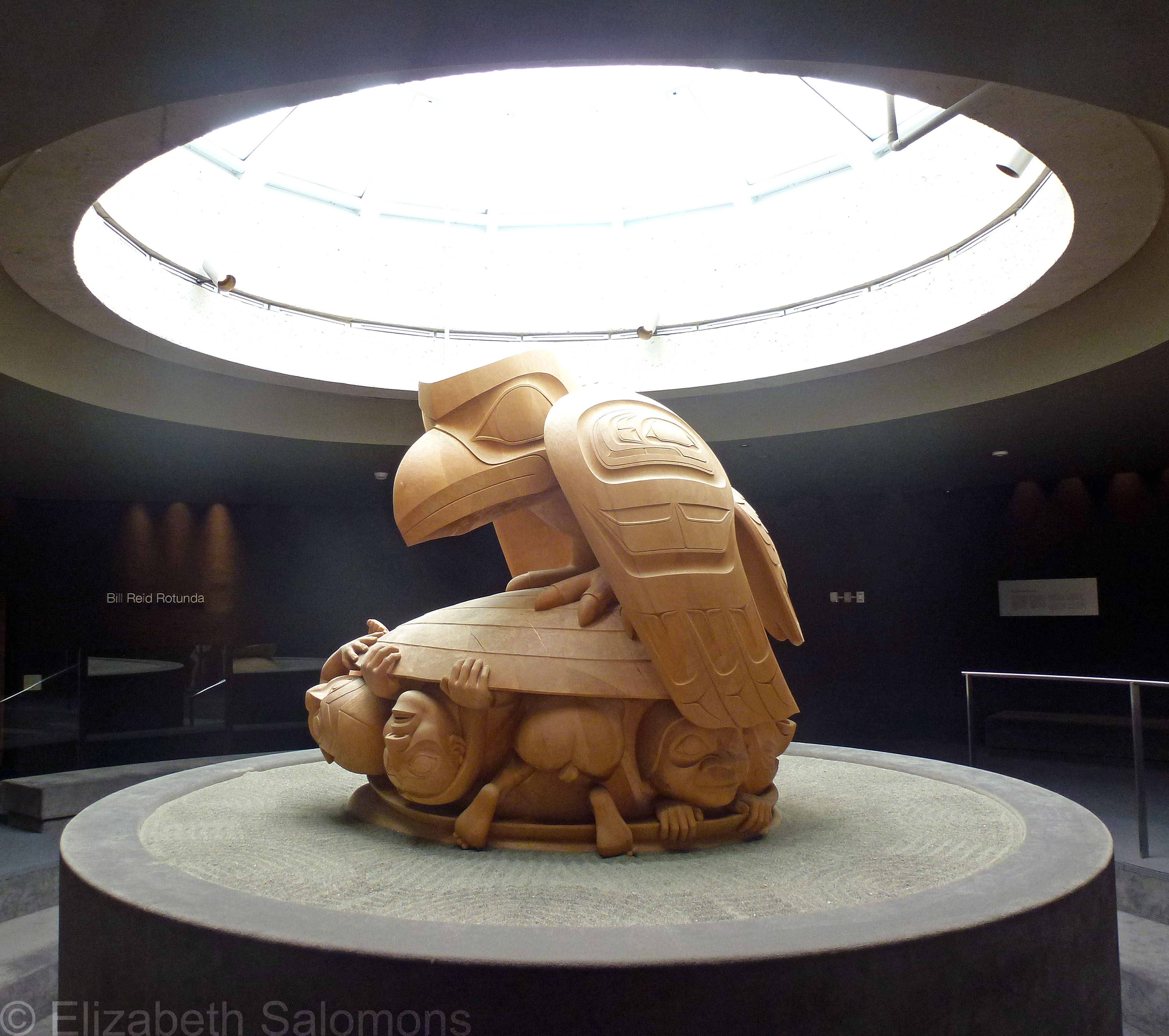
The Museum of Anthropology began in 1949 as a department of the Faculty of Arts at UBC. It has one of the world’s best collections of Indigenous art and is particularly known for its Northwest Coast collection. In 2023, the museum closed to undergo a seismic upgrade that involved completely rebuilding the 25 concrete pillars of the Great Hall. It reopened again last June in time for the centenary of Erickson’s birth.

Cinque Terre

Here in Vancouver, we’re going through the first atmospheric river of the season this weekend, and I’m finding it hard not to feel green with envy toward anyone who might be vacationing in much more pleasant climes right now.
Like, oh, I dunno, Italy?
Except, it turns out that the folks I know who are vacationing in Italy right now aren’t immune to bad weather either.
Cinque Terre (literally “five lands”) is a collection of villages along Italy’s northwest coast. Connected by train and hiking trails, Monterosso al Mare, Vernazza, Corniglia, Manarola, and Riomaggiore are collectively one of the most stunning areas of Italy.
My people had gone to Cinque Terre on my recommendation, but no sooner had they arrived when they learned that the trails, the restaurants, and the shops were closing the next day due to inclement weather.
Above is a photo I took some years ago of Vernazza, Corniglia, and Manarola from one of the hiking trails above Monterosso al Mare. And below is a train pulling into the station at Manarola. It’s easy to see from the terraced landscape and steep cliffs why heavy rains are a problem in Cinque Terre — in fact, floods and mudslides devastated the villages in 2011, killing nine people.
My family was able to rejig their itinerary and head to Tuscany a few days early. I felt bad they missed out on spending time in such a special part of Italy, but, as I always say, when you don’t get to see everything on your list, it just means you have a very good reason to go back.

MacMillan Bloedel Building
Ahem.
I promised you a series of blog posts about Arthur Erickson buildings that have shaped Vancouver, way back in (checks notes) June.
What can I say? A glorious BC summer got in my way and I’ve been spending as much time away from my computer as possible. I’m sure you understand.
However, I do want to showcase those buildings, and so, here we go.
First up is the MacMillan Bloedel Building that stands prominently in the centre of downtown Vancouver.

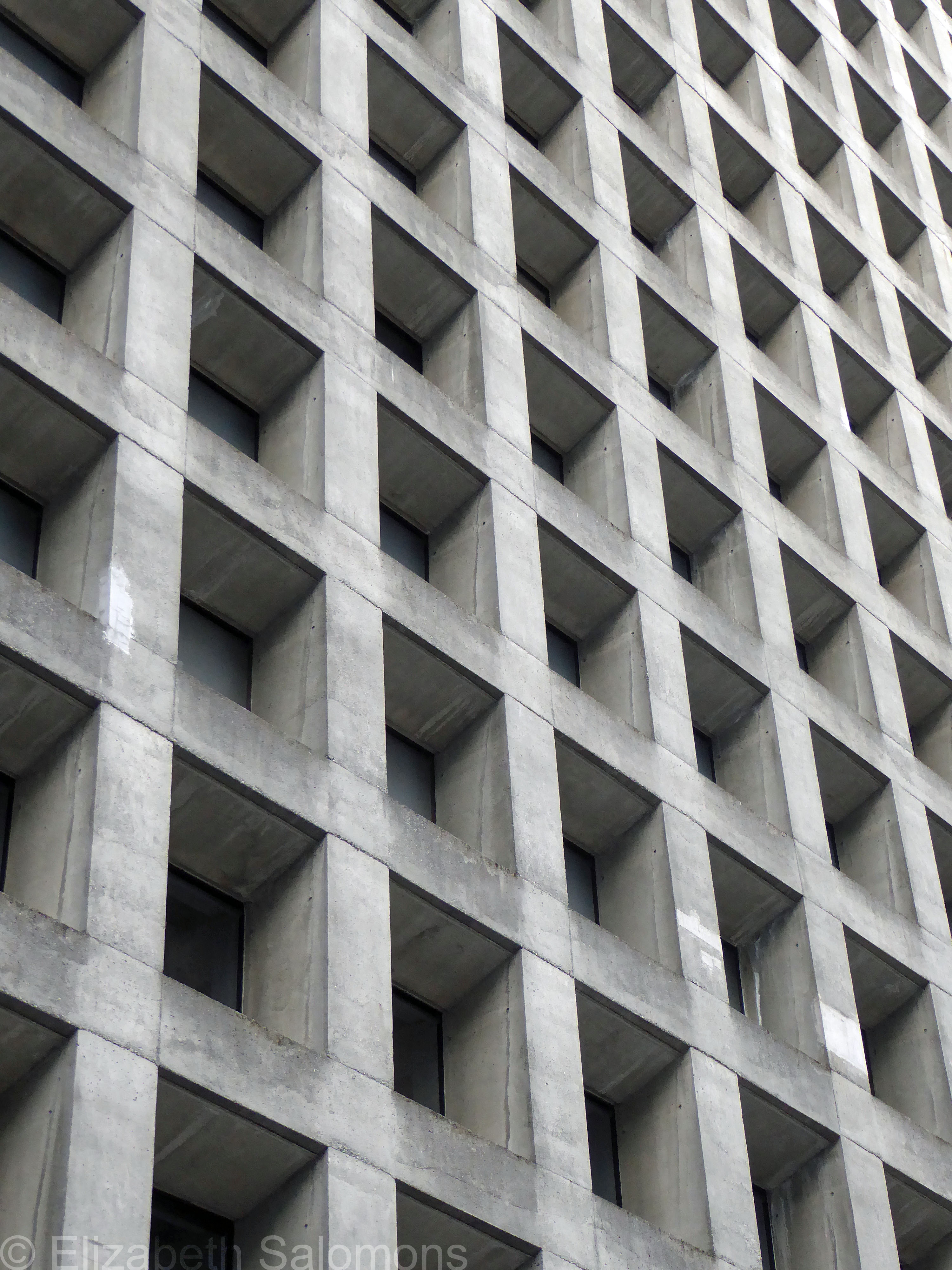
It was completed in 1968 and is a typical example of Brutalism, the style of architecture the dominated the middle of the previous century.
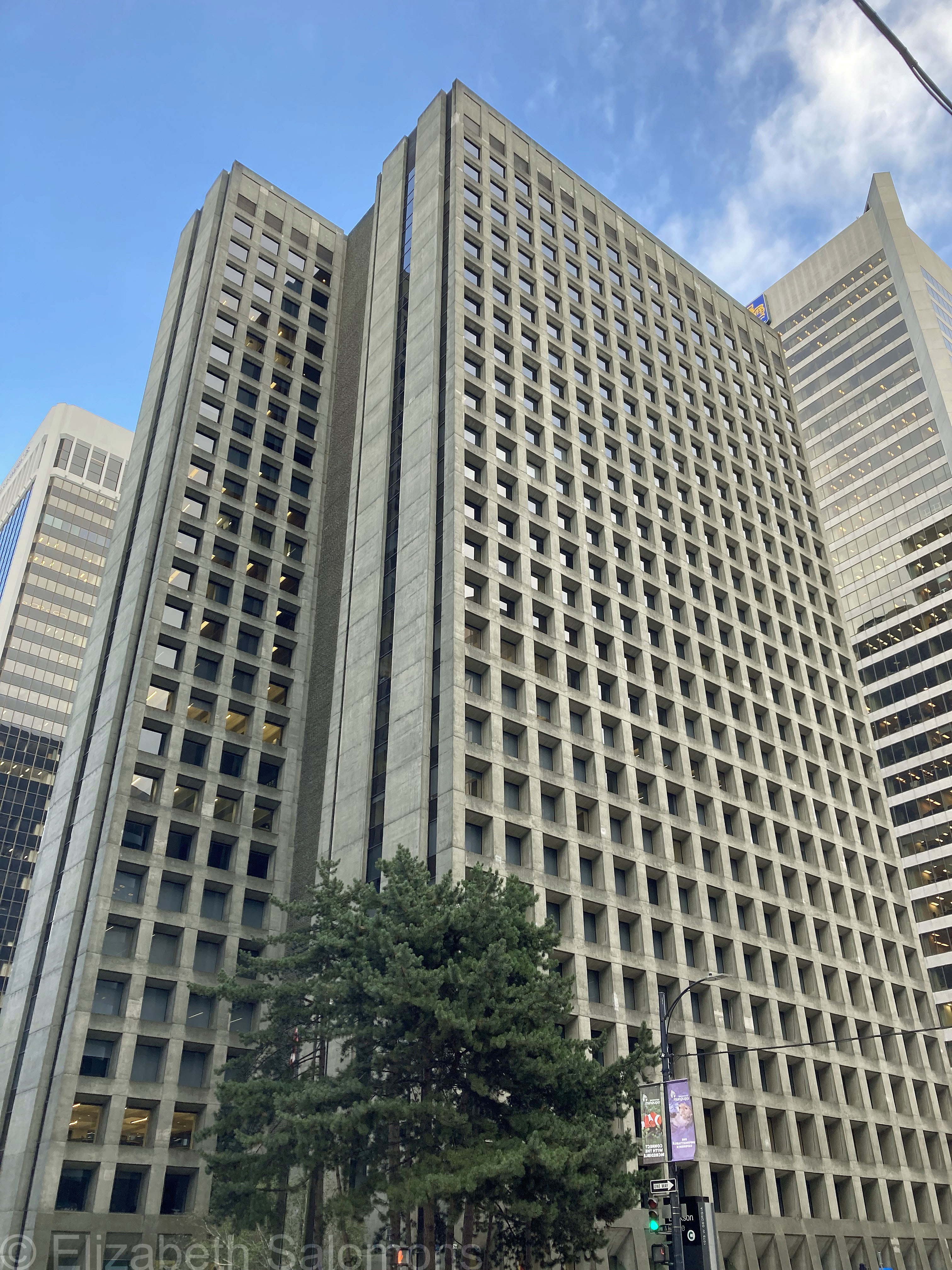
Each window measures 7 feet by 7 feet and is a single pane of glass. The lobby is separated from the street by a series of sunken pools and concrete planters filled with trees and other vegetation.
Standing 27 storeys tall, the MacMillan Bloedel Building was the tallest in Vancouver when finished. It was built to house the headquarters of MacMillan Bloedel, a forestry company that hasn’t existed for 25 years. Although it was renamed Arthur Erickson Place in 2019, it’s still commonly referred to as the MacBlo Building.

Through My Lens: Beech Tree

We are well and truly into the season where we start paying attention to the trees around us, and what will be eventually be some pretty spectacular colours.
Until then, here’s a beech tree I photographed last weekend in Stanley Park. Also pretty spectacular, even though its leaves haven’t yet turned.
Ruckle Park
When I first visited Ruckle Park on Salt Spring Island, I made a promise to myself that one day I would return with my camping gear and spend some time here.
Who knew it would take several decades for me to fulfill that promise?
Located on the southeast tip of Salt Spring Island, Ruckle Park is one of the largest parks in the Gulf Islands. Its seven kilometres of shoreline give you oodles of tidal pools to explore at low tide, but there are also numerous walking trails throughout the coastal forest.
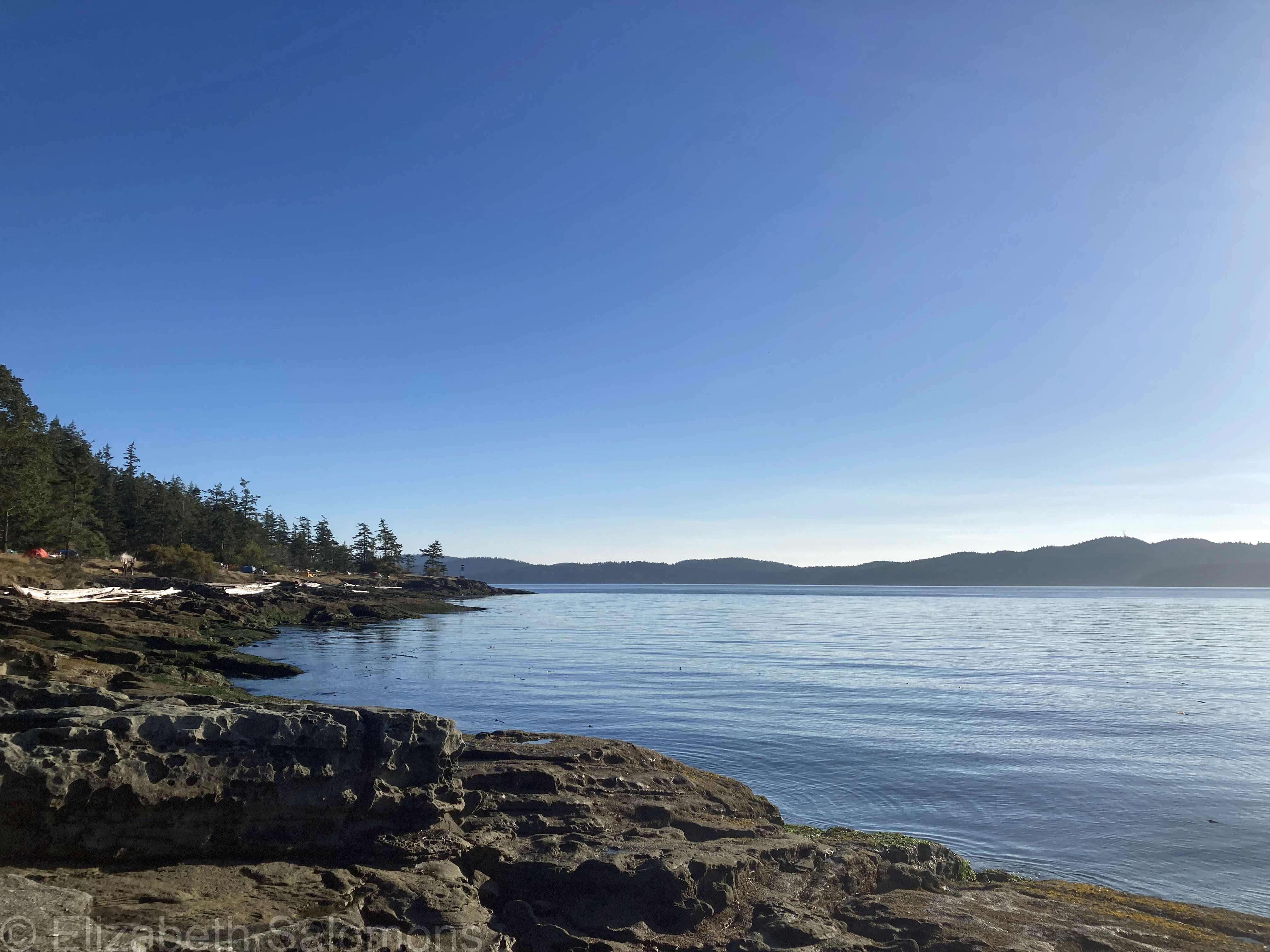
Most of the campsites are walk-in (first come, first served), but the bonus of that is you get to pitch your tent right by the water.
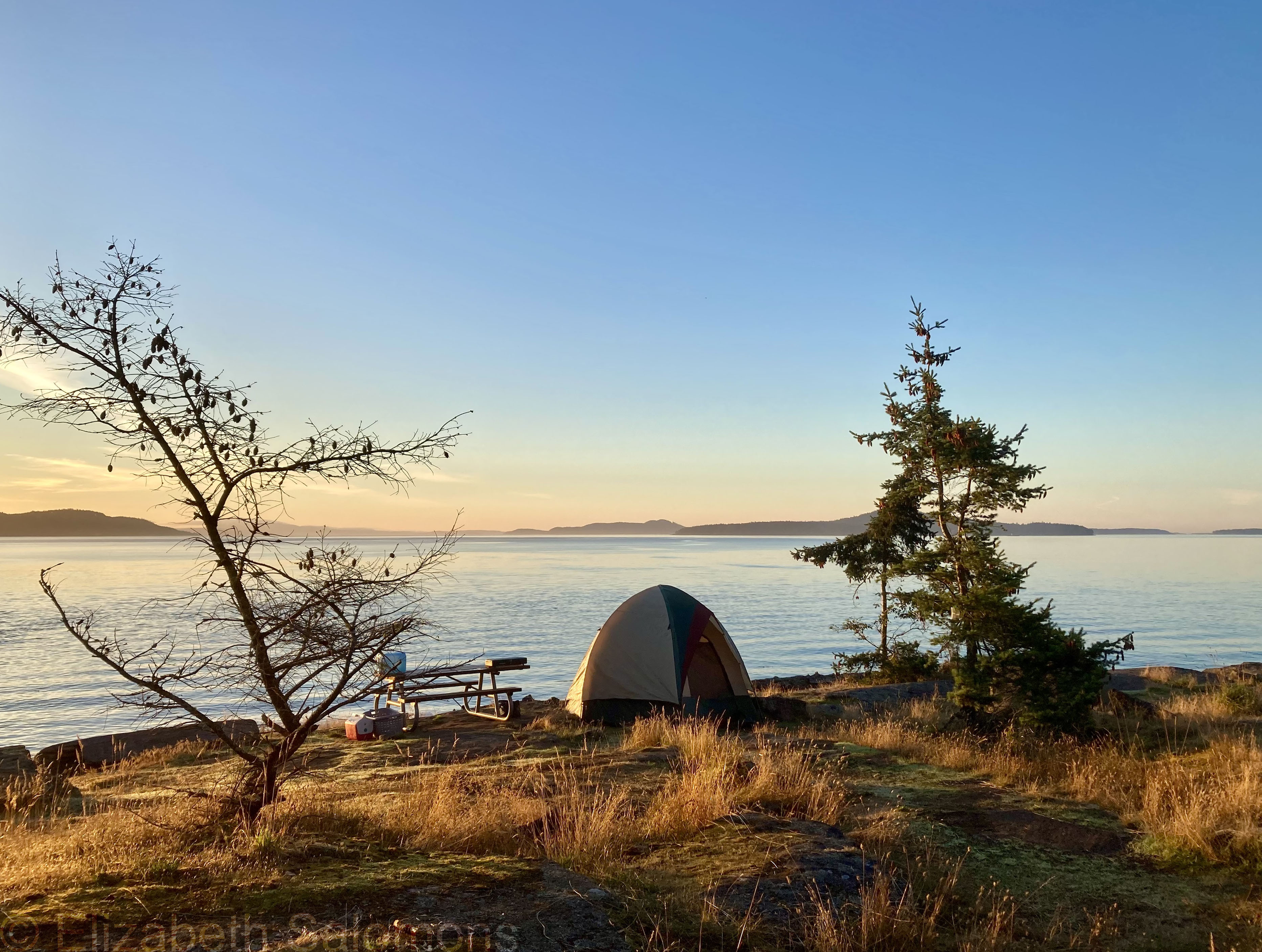
The sunrises? They are spectacular.

Once the sun is up, the morning’s entertainment starts with a round of musical campsites. Campers who spent the previous night in the overflow area come around to ask when those of us camped beside the water are intending to leave. The morning we left, there were four separate parties interested in our spot. The mornings we weren’t going anywhere, we got to watch people move gear and tents from one site to another, and then watch someone else move into the just-vacated spot.
The summer’s campfire ban was lifted the afternoon we arrived (talk about timing!) and the communal firepit makes it easy to get to know your neighbours.
Ruckle Park also has a working heritage farm.

My three days of camping at Ruckle last week with my brother and his kids was the absolute perfect way to finish off my BC summer. And I made another promise to myself: it won’t be several decades again before I return.
I’m already making plans to return next summer.
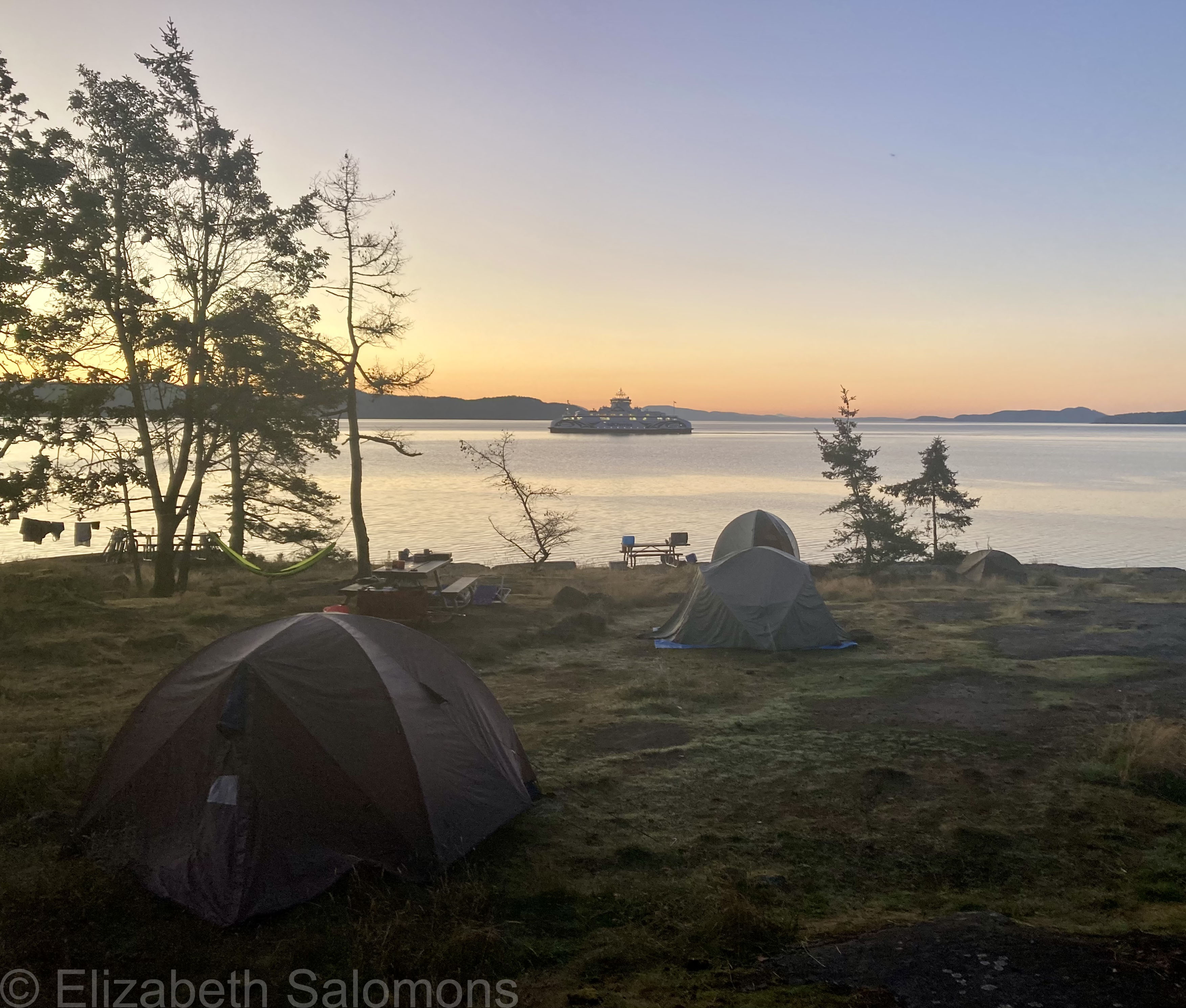
Salish Heron
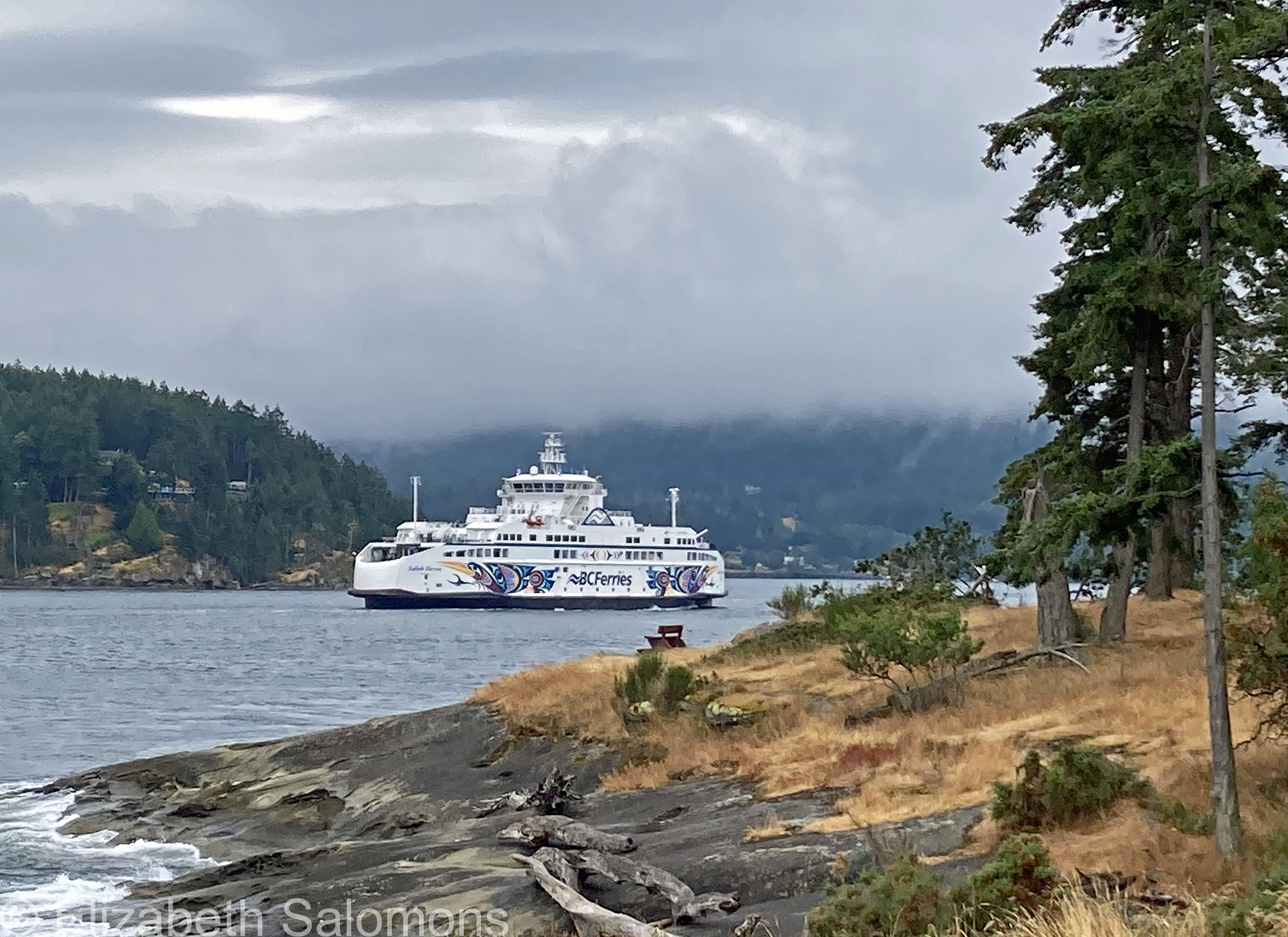
Time for my obligatory summer post about touring the Salish Sea on a BC ferry. I took this photo last month from the southern tip of Galiano Island. That’s the Salish Heron entering Active Pass.
Like the other Salish-Class vessels, the ferry is covered in original Coast Salish artwork inside and out. Penelakut First Nation artist Maynard Johnny Jr. was the artist for the Salish Heron.


 There and Back Again