
Dry January
After a rather soggy December, we’ve enjoyed an unusually dry January. So dry that records were broken: this was our driest January in 40 years, and the third driest since 1897.
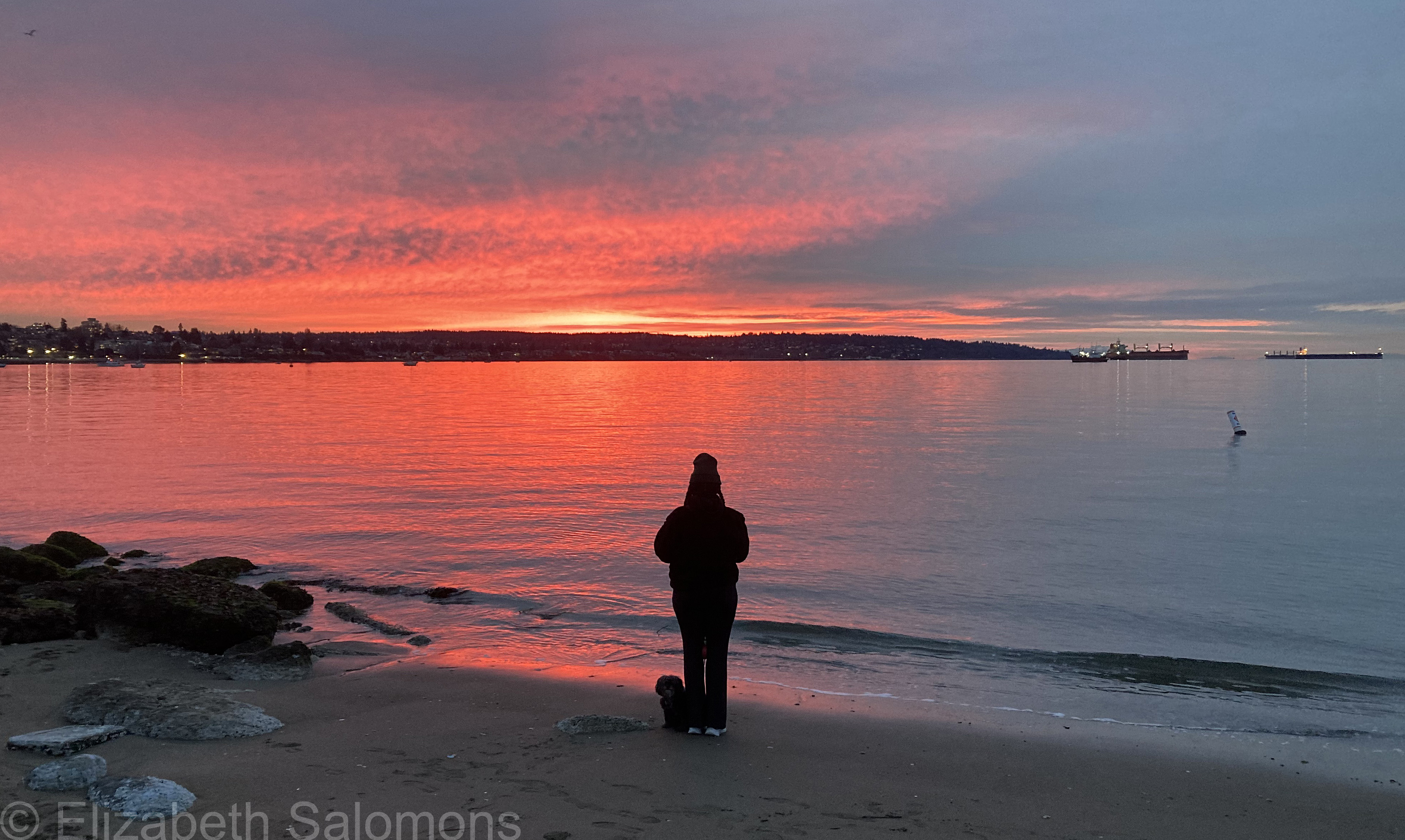
We’ve also had a steady streak of spectacular sunsets. There’s something about winter sunsets that creates magic.
Like this.
Evergreen Building

Yup. Still here, still working on my series on Arthur Erickson buildings that have shaped Vancouver.
This one is easy to walk past without realizing its significance. Located on a quiet intersection in Coal Harbour, the building’s recessed terraces are meant to emulate a mountainside. Erickson collaborated with landscape architect Cornelia Hahn Oberlander when designing the building.
Its unique footprint came about for a practical reason: it was the space available where the two streets meet at an obtuse angle, instead of the usual 90 degrees. It is categorized as an office building, but also has some corporate residential suites.
The Evergreen Building was completed in 1980.
Through My Lens: January Afternoon
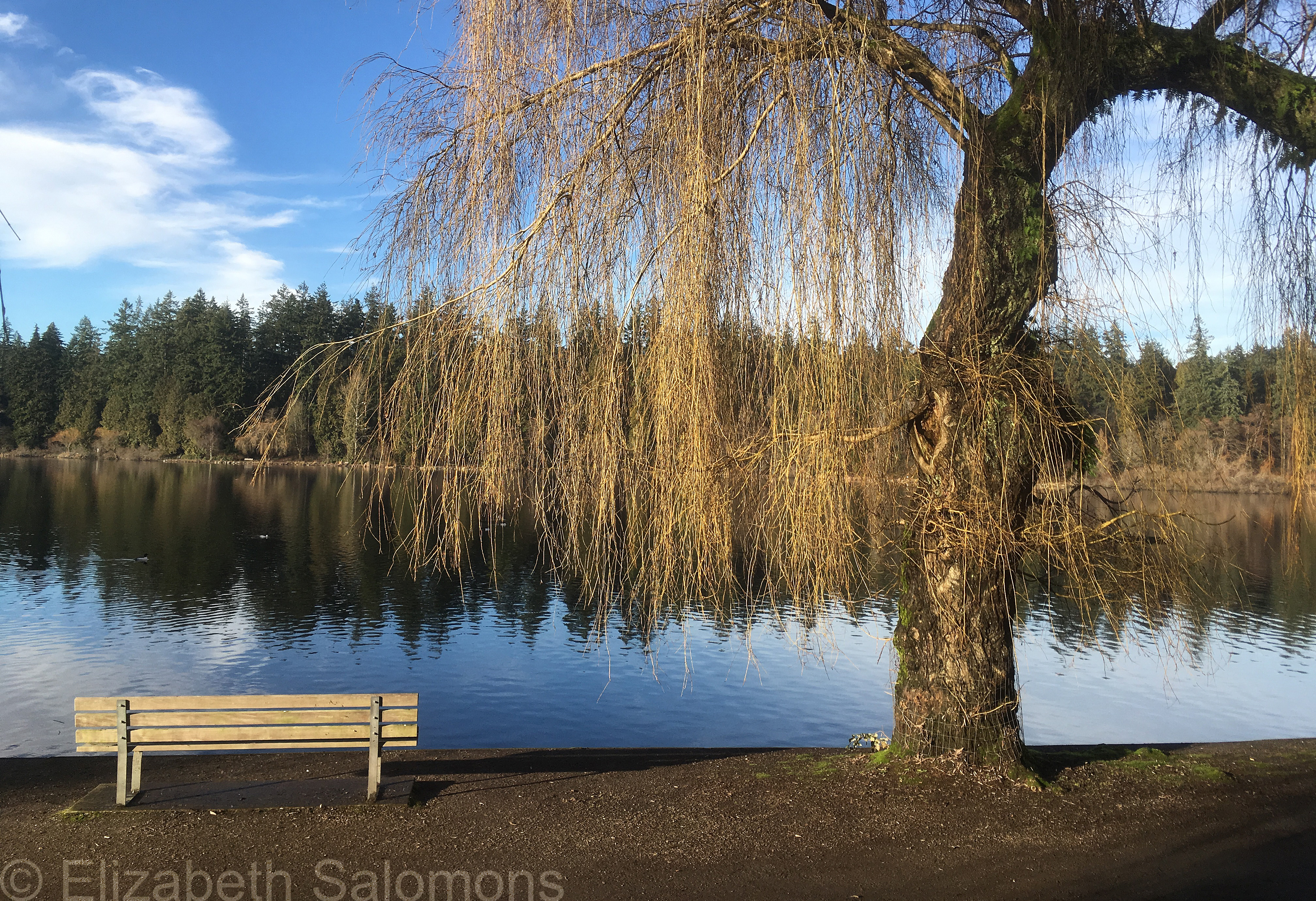
I was going through old photos and came across this one, taken on a sunny January afternoon some years ago. That’s Lost Lagoon in Stanley Park.
Merry Christmas!

English Bay, Vancouver
Notre-Dame Restored
Five and a half years ago, the world watched as Notre-Dame burned. Two days later, Emmanuel Macron, president of France, promised that the Cathedral would reopen in time for the 2024 Olympics. Many doubted him.
Last weekend, as Macron stood in front of Notre-Dame welcoming world leaders for a special service of thanksgiving, I’m sure he was feeling pretty pleased with himself. The Paris Olympics may have come and gone, but his prediction was only six months off.
Which is incredible, considering how much has happened in our world since 2019.
Last weekend’s special services got a lot of media coverage, but what impressed me was how Notre-Dame held what it called an Octave of Reopening, which concluded today, eight days after Macron welcomed the world to Notre-Dame. Every day this week, a special mass was celebrated.
The first was last Sunday for heads of state and invited dignitaries. On Monday, the priests and deacons of the Diocese of Paris were welcomed. Member of religious orders were invited to Tuesday’s mass. Patrons and donors of the Cathedral were invited to the mass celebrated on Wednesday, charitable associations on Thursday, employees and volunteers of the Diocesan House on Friday, and schoolchildren on Saturday. Today, the final day of the Octave of Reopening, a mass was held for the Parisian firefighters, artisans, and all those who worked on the reopening of the Cathedral.
Going forward, visiting Notre-Dame will remain free of charge (as it always has been per French government policy), but a ticketing system will be put in place. This is because capacity will be limited to half of what it was before the fire as the restoration work continues. It won’t be completed until 2026.
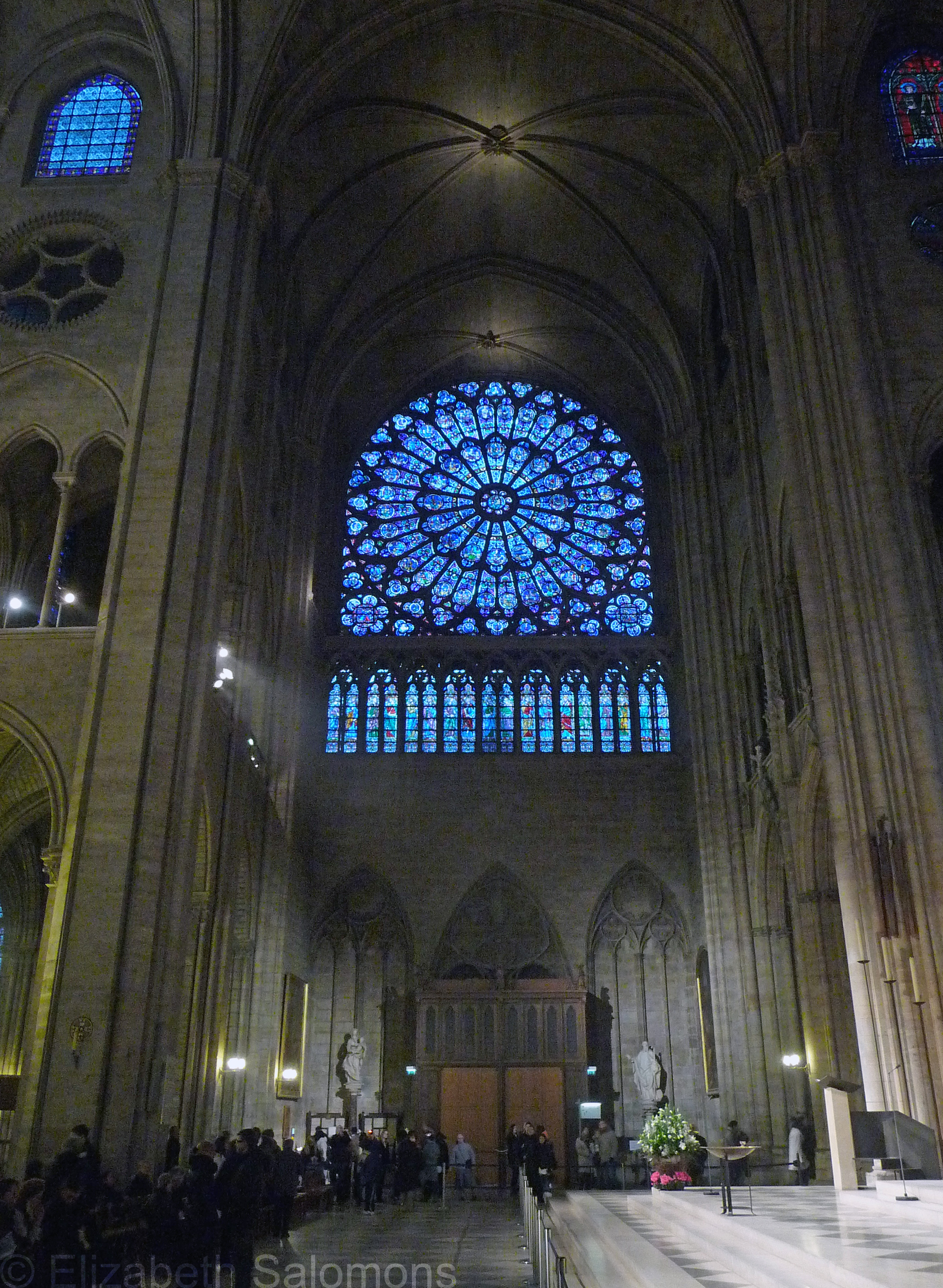
As I read about the opening of Notre-Dame last weekend, I was stunned by the photos of the Cathedral’s interior. It’s unrecognizable to me. By way of comparison, here is a photo I took of the Blue Rose window in January 2011, the last time I was inside Notre-Dame. The walls were covered in soot, and seemed weighed down by years of history. Now, those same walls are luminous and full of life.
At my office Christmas party this past week, a co-worker mentioned that her daughter wanted to spend Christmas in Paris, but they decided not to because she wasn’t keen on spending the holidays in a hotel.
“Well,” I said. “I’ve spent Christmas in Paris and I highly recommend it.”
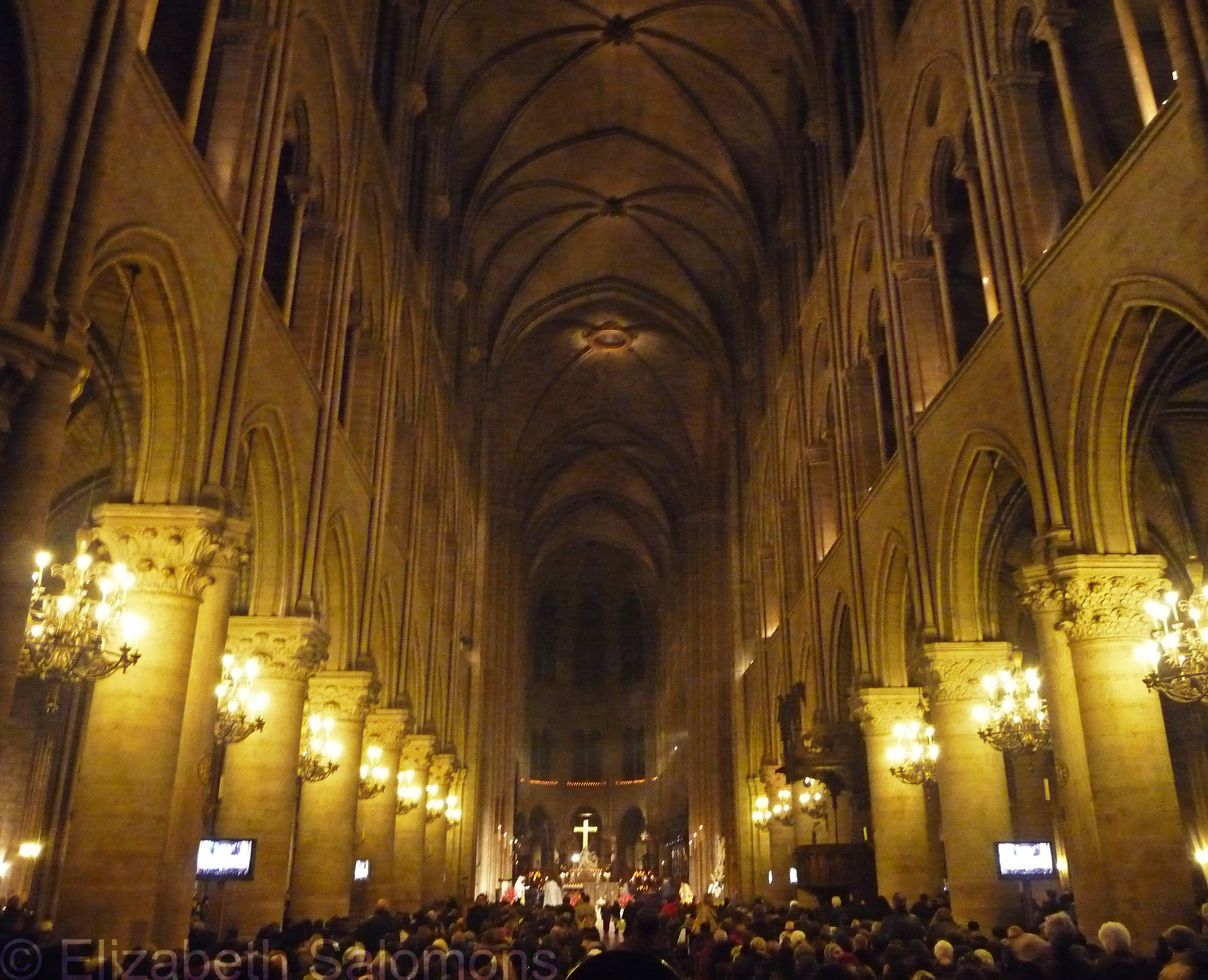
Because it was Christmas Eve and we were in Paris, it seemed inevitable that we would make our way to Notre-Dame. We were able to walk right in, but the crowds inside, and the fact that none of us would understand a mass said in French, made us leave. Here is the grainy photo I took while we stood at the back trying to make up our minds whether to stay or go.
Notre-Dame will hold Christmas services this year for the first time since 2019. Prior to the fire, it had not missed a Christmas mass since the French Revolution, when the Cathedral was converted to a wine warehouse and renamed Temple of Reason.
I don’t regret that we skipped the Christmas Eve mass at Notre-Dame; it was the right decision for us at the time. But I do hope one day I will again experience the magic of Christmas in Paris, and that maybe, with better planning, I will witness a Christmas Eve mass at Notre-Dame.
The End of the Eras Tour
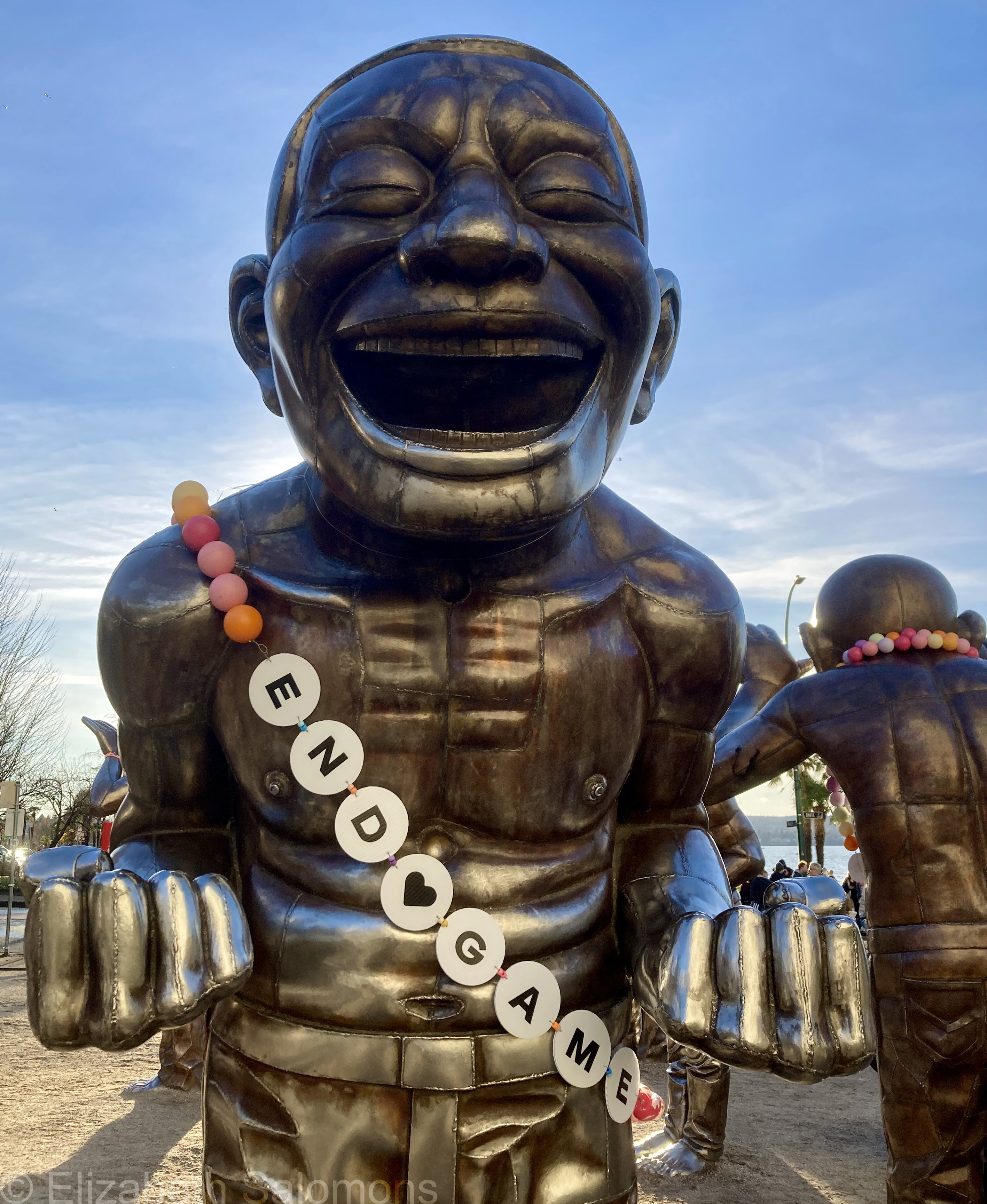
The hype is real, folks.
Honestly, I don’t think I have ever seen as much anticipation over a bunch of concerts. Yes, it’s Taylor Swift. Yes, she is a megastar. Yes, it’s the end of her tour. But this city has lost its mind.
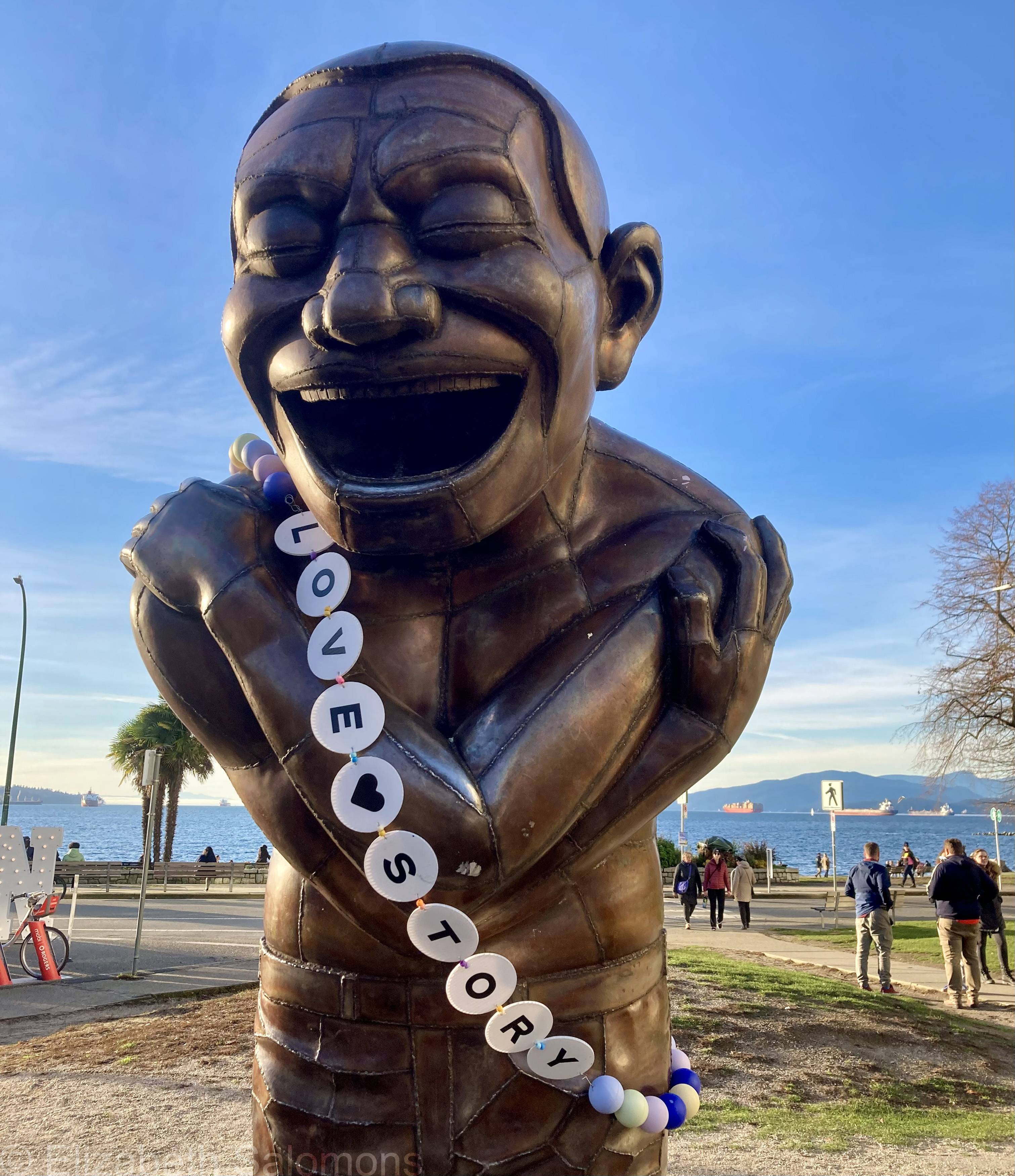
And I love it.
It’s been a long time since we all came together over a cultural event of this magnitude. It reminds me a lot of when we hosted the Olympics.
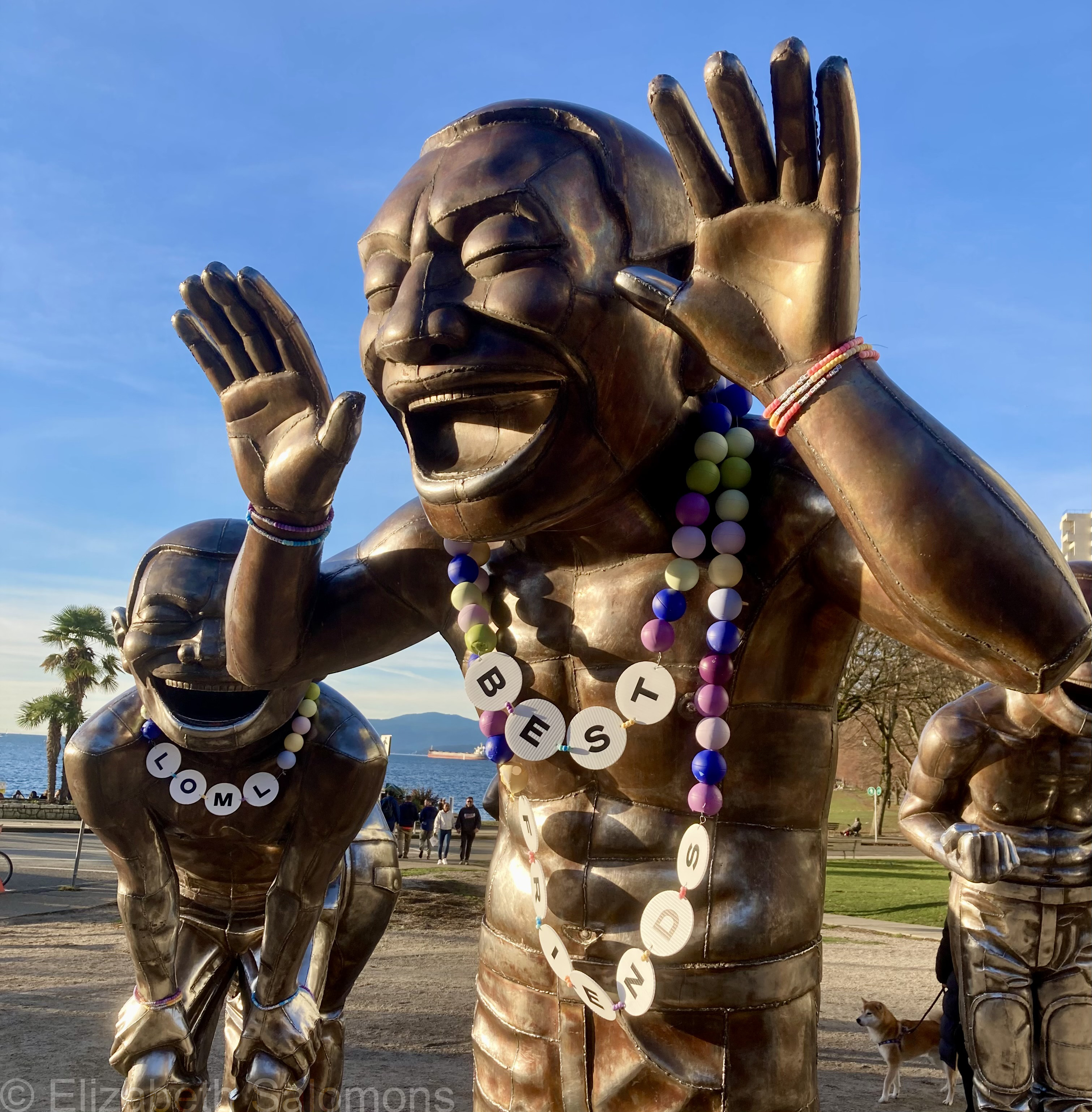
For weeks now, we’ve been warned about the upcoming traffic chaos. Three concert nights, two Canucks’ home games, and, oh yeah, Cirque du Soleil is in town. These venues are all within spitting distance of each.
But hey, we’re among friends, right? It should all be fine.
Where the Streets Have Names
Here we are, finally. Last month of the year, last post on Hawaii.
One thing you notice as soon as you start moving around Oahu are the unique street names. Unique to English speakers, that is. For the most part, they are all in Hawaiian. I absolutely love it.
There are plenty of places in Canada with Indigenous names. Kitsilano is a Vancouver neighbourhood that takes its name from the Squamish Chief Jack Khatsahlano. Chilliwack, Kamloops, and Saanich are BC cities with names that have Indigenous origins. And Canada is from the Haudenosaunee word “kanata,” which means village.
And yet … Vancouver streets are predominately named for dead white guys. True fact: there are more streets in Vancouver named after golf courses than women or people of colour combined. My own street is the anglicized name of a chief of the Okanagan people, something I found out only while researching this post. Wouldn’t it be much more interesting if the nsyilxcən spelling was used instead of English?
In Canada, land acknowledgements before public events are routinely recited to recognize those who have lived here since time immemorial. Here’s the one I use on my work email signature:
I acknowledge that I am privileged to live and work on the unceded traditional territories of the Coast Salish Nations, including the xwməθkwəy̓əm (Musqueam), Skwxwú7mesh (Squamish), and səl̓ilwətaɁɬ (Tsleil-Waututh) Nations.
Land acknowledgements are all well and good, but maybe it is far past time that we begin replacing the names of some of the many, many streets currently named after insignificant European men with Indigenous names. The Hawaiians have done it. Why can’t we?
Just a thought.

Royal Hawaiian Mai Tai
Speaking of historical Hawaii, one of the places I insisted we go while on Oahu was the Royal Hawaiian Hotel. This illustrious hotel, now part of the Marriott chain, has stood on Waikiki Beach since 1927. It’s one of those hotels you can only dream about ever staying at. Happily, though, the dining options were within our budget and we enjoyed mai tais and poke at the outdoor Mai Tai Bar overlooking the beach.
Full disclosure: I don’t even like rum, but I lost count of how many mai tais I enjoyed during our week in Hawaii.
(What can I say? When in Rome … )

Historical Hawaii
Remember James Michener? Author of super long books with super short titles that were on all the bestseller lists? Many years ago, I got about a third of the way through one of his books, Hawaii. It was a valiant effort, but ultimately I was defeated by its 1130 pages.
My mom finished the book, though. I have a distinct memory of her rant about the some of the characters in Michener’s novel — the American missionaries, to be precise. How stupid, she said, that they insisted on wearing fashions more suited to New England than the hot, tropical climate of Hawaii.
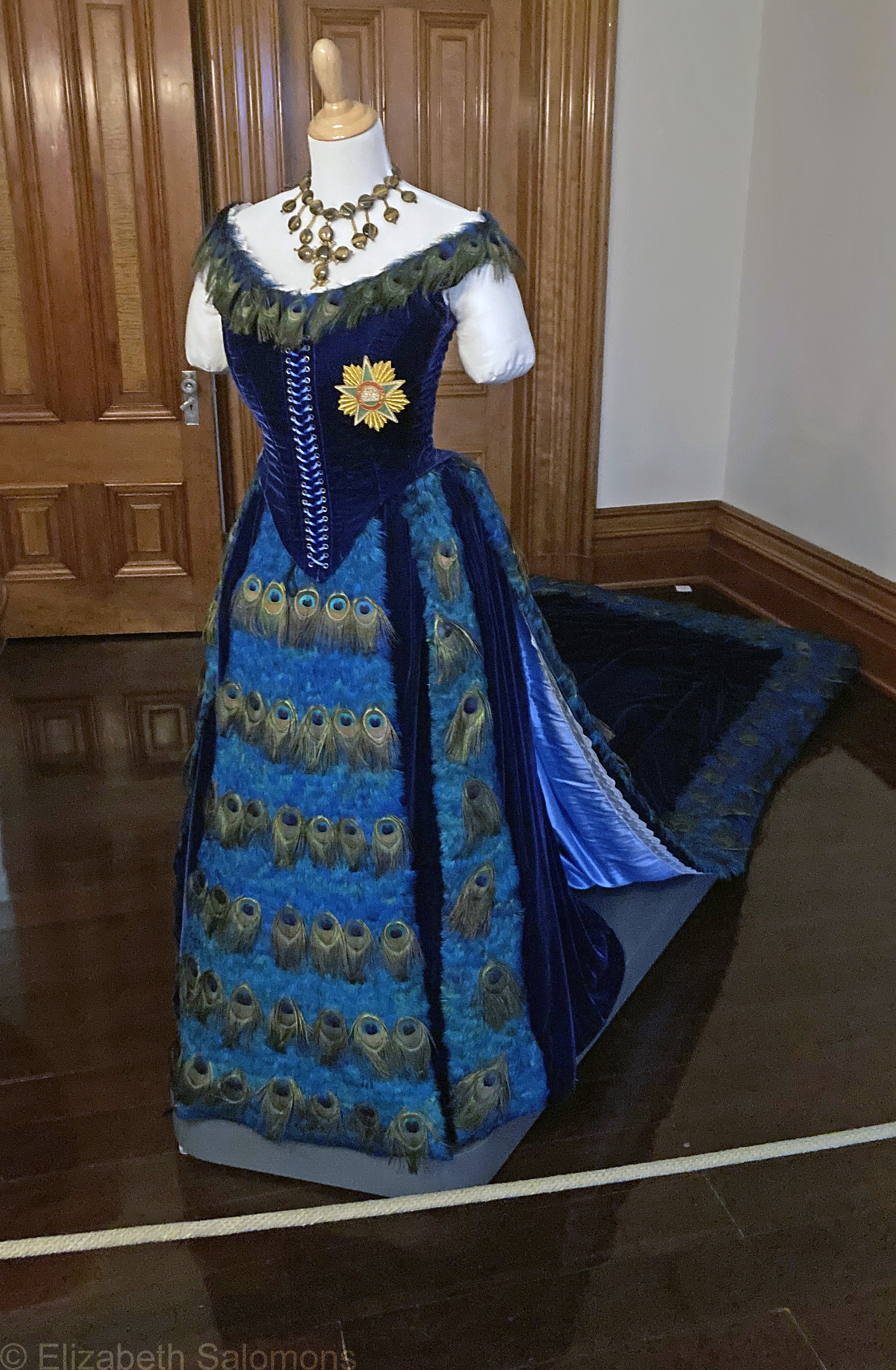
So imagine my surprise, as I took a deep dive into Hawaii’s colonial history last winter, when I learned that the Hawaiian royals also preferred Victorian fashion. This dress, for example. It’s a replica of the Peacock Gown that Queen Kapi‘olani wore to Queen Victoria’s Golden Jubilee in 1887.
I was also surprised to learn that Hawaii came this close to becoming a part of the British Empire. The first European to sail to the islands was the English explorer James Cook — he arrived in 1778. We’ll skip over the part where he was killed by the Hawaiians and jump ahead to George Vancouver, a member of Cook’s crew who returned with his own expedition in 1792, and again in 1793 and 1794. Vancouver became good friends with King Kamehameha I, and Hawaii became the base for British trade in the Pacific. It was Kamehameha who wanted the Union Jack as part of the Hawaiian flag that was adopted in 1816.
However, around this time, an assortment of missionaries was making advances in the Pacific. Amongst themselves, the British and American missionaries divided the Pacific between them: the British would restrict their evangelistic efforts to the south of the Equator, and the Americans went north. The Hawaiians would have preferred the reverse arrangement; Kamehameha II even went to England to arrange for a formal agreement with the King.
But as time went on, Hawaiian trade was increasingly linked to the US economy. Hawaiian independence suffered a fatal blow when a group of white planters and businessmen overthrew the last Hawaiian monarch, Queen Lili’uokalani, in January of 1893. She was held prisoner in her own palace for eight months. Formal annexation with the US took place in 1898 when the Spanish–American War made Hawaii a critical base for the American military while they were fighting in the Philippines, and the islands attained statehood in 1959.
About that deep dive into Hawaii’s colonial history: it took place here, at Honolulu’s Bishop Museum.

And also here, at Iolani Palace.

Bishop Museum was established in 1889 by Charles Reed Bishop to house objects and heirlooms of his wife, Princess Bernice Pauahi Bishop, last heir of the royal Kamehameha family. It is now considered the best collection of natural and cultural history in the Pacific, and it’s a great way to get a crash course in Hawaiian history in just a few hours.
Iolani Palace, located in downtown Honolulu, served as the State Capital until 1969. When it was built in the 1880s, it was fitted out with electric lights, indoor plumbing, and telephones — all modern conveniences far ahead of their time. It is the only official residence of royalty in the United States.
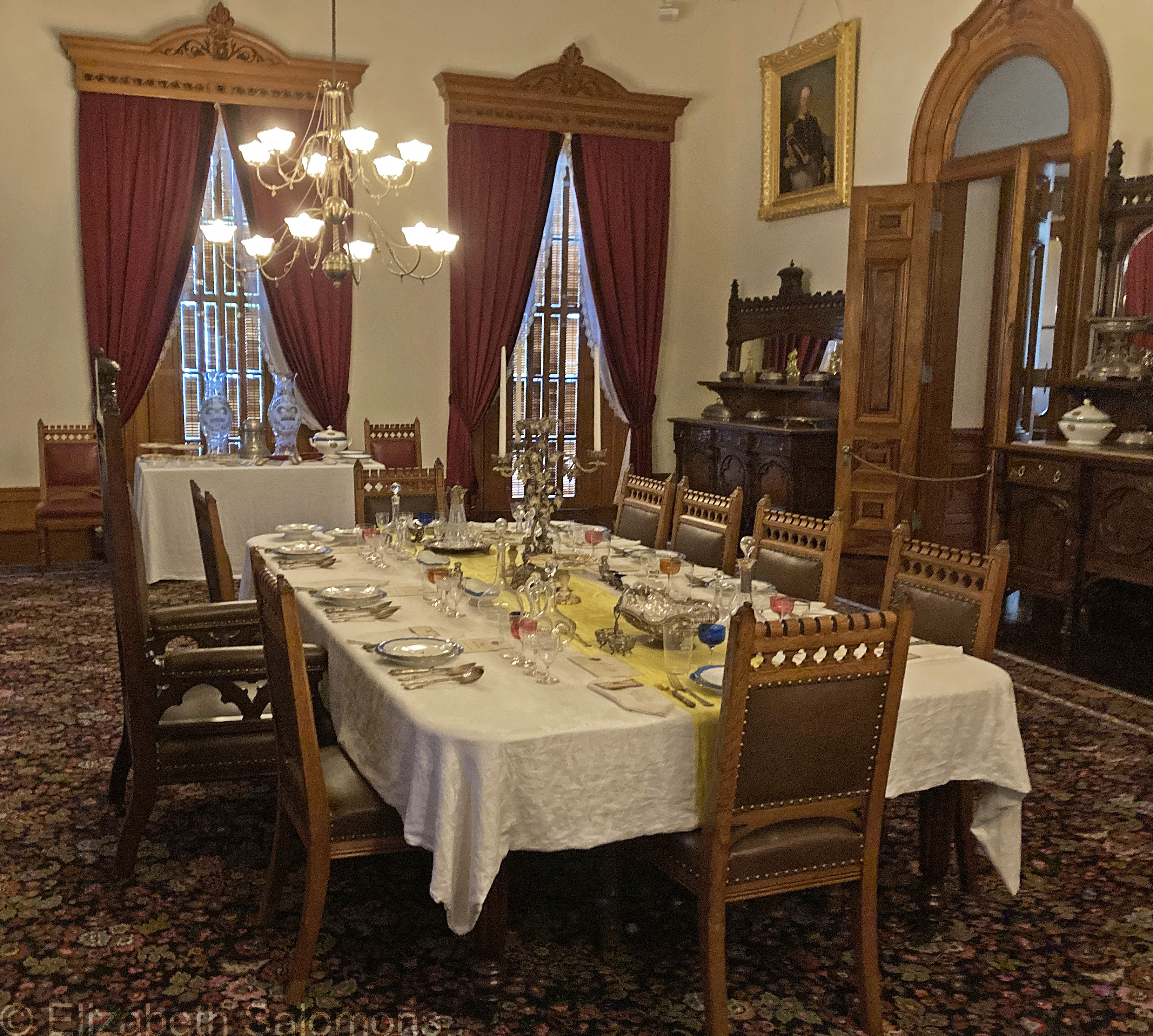
I still have my mother’s copy of Hawaii. And one of these days, I will finish the novel, now that I have a better and more complete understanding of the history of Hawaii.
Museum of Anthropology

One of Arthur Erickson’s most iconic buildings, completed in 1976, is the Museum of Anthropology at the University of British Columbia. It sits on traditional and unceded territory of the Musqueam people, at the tip of Point Grey, facing the Salish Sea.
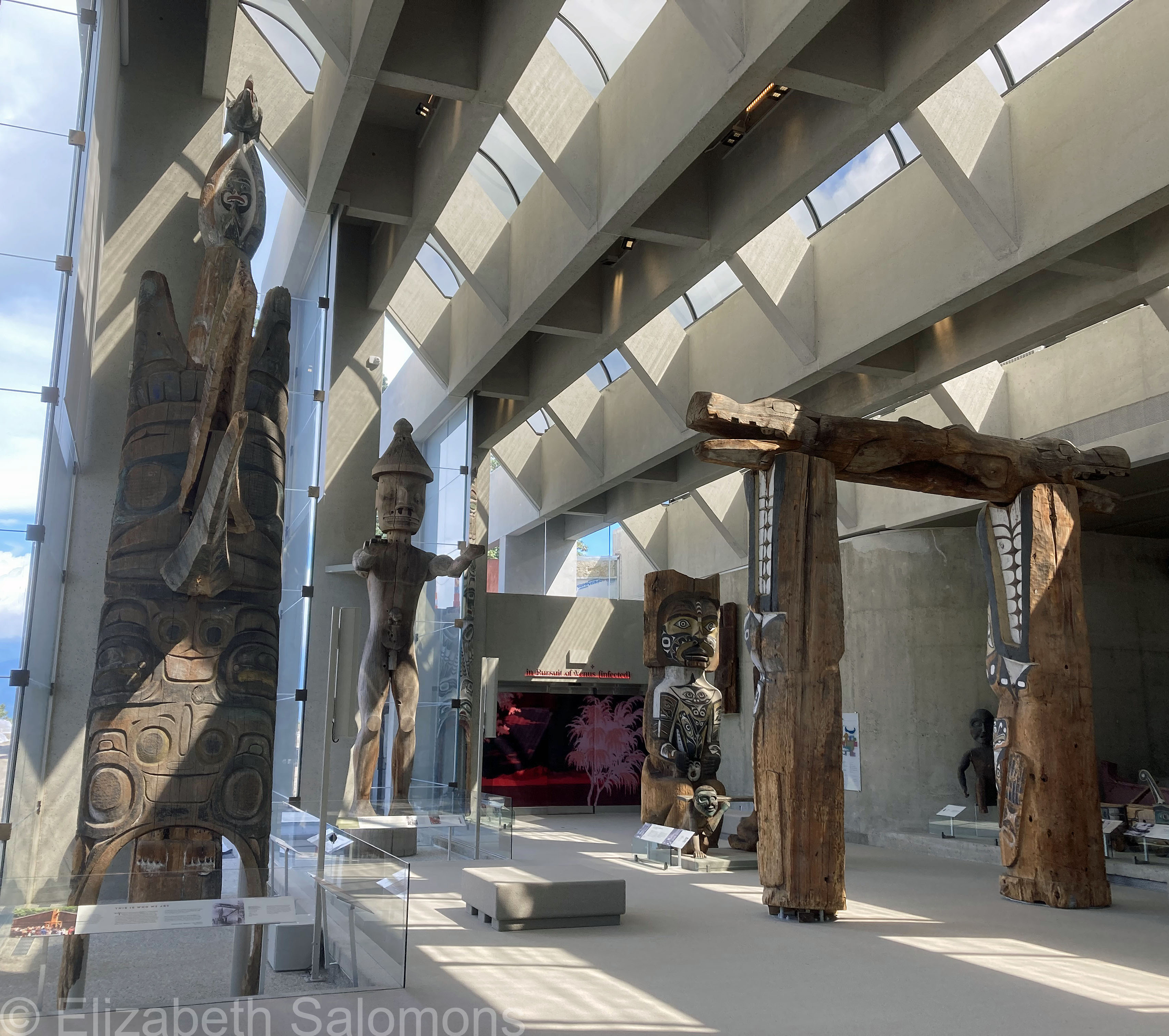
I’m told that the post-and-beam construction was inspired by the architecture of the Northwest Coast First Nations. The floor-to-ceiling windows of the Great Hall let in all the light. And when you stand outside and look back at the museum, you see the sky reflected back at you.

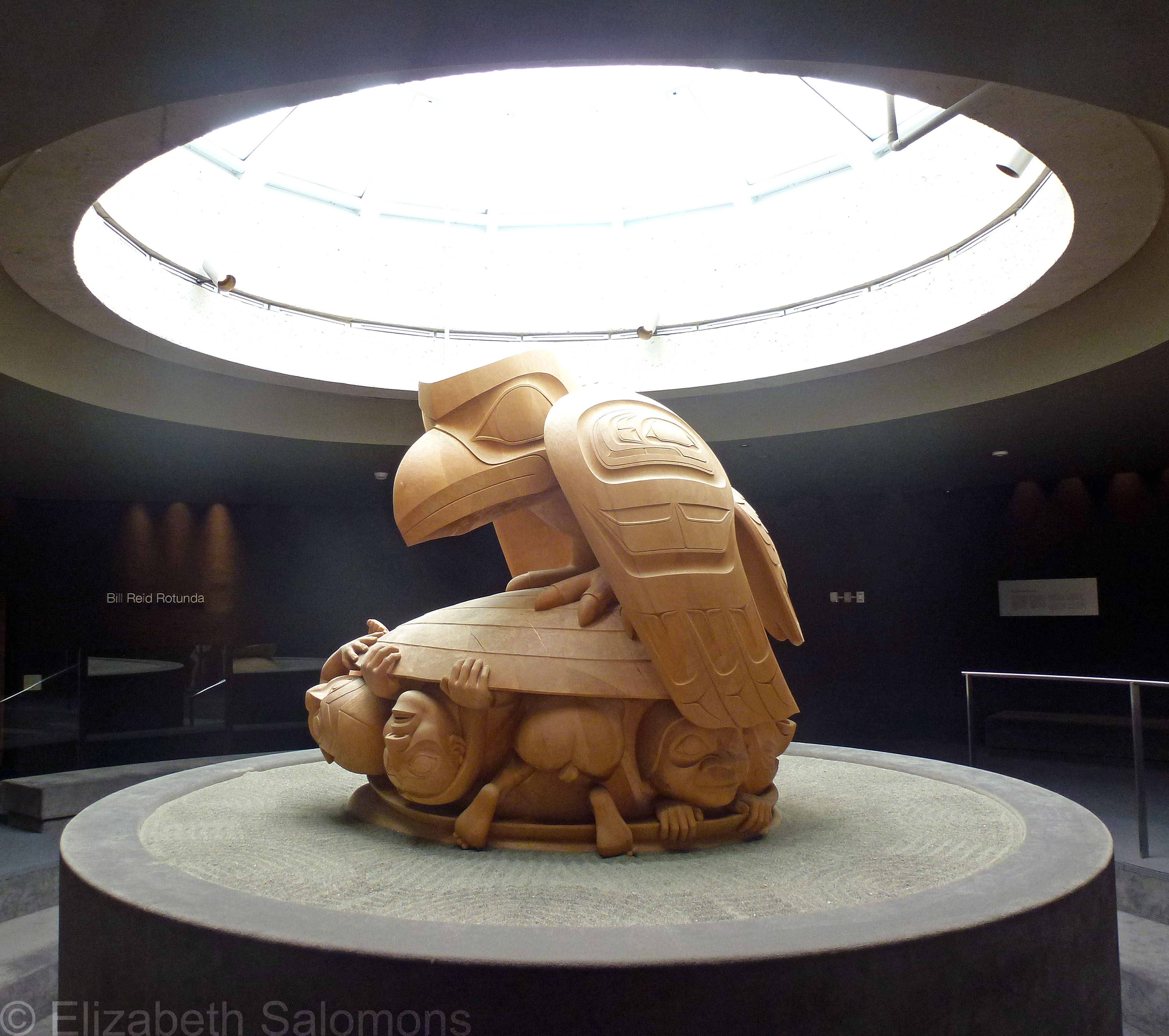
The building incorporates several World War II gun placements. Rather than ripping them out, Erickson incorporated them into the building’s design. One has been repurposed as the base for Raven and the First Men, a sculpture by Haida artist Bill Reid.
The Museum of Anthropology began in 1949 as a department of the Faculty of Arts at UBC. It has one of the world’s best collections of Indigenous art and is particularly known for its Northwest Coast collection. In 2023, the museum closed to undergo a seismic upgrade that involved completely rebuilding the 25 concrete pillars of the Great Hall. It reopened again last June in time for the centenary of Erickson’s birth.


 There and Back Again